

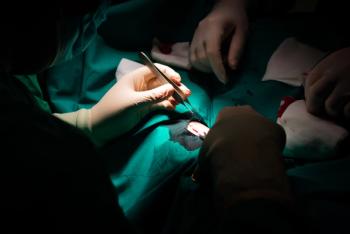
While MMS is recognized as the gold standard for skin cancer treatment, numerous challenges still hinder widespread adoption and practice.
While MMS is recognized as the gold standard for skin cancer treatment, numerous challenges still hinder widespread adoption and practice.

Dozens of investigators shared findings to advance care in patients with melanoma during Mohs micrographic surgery.
Catch up on the innovative pearls shared at the 2023 American College of Mohs Surgery including strategies to enhace the patient experience, the role artificial intelligence plays in dermatologic care, and more.

More than 80% of medical assistants participating in the study said the new skill makes them feel more valuable.

Brandon Beal, MD shared his experience, which technology solutions work best, and resources available to dermatology practices.

The rapid pearl session explored a case that challenged surgeons to preserve the function of the tarsal plate and musculature attachments.

Nicole Vélez, MD, provided marketing pearls to streamline mundane tasks and promote your practice in the digital world.

His keynote speech at ACMS focused on artificial intelligence for precision medicine and cancer diagnosis.

Jerry Brewer, MD, MS, shared pearls on reasons to avoid or discontinue Mohs surgery and keeping calm with stressed, vulnerable patients.

Katie Schlenker, DO, emphasizes the importance of empathy during tough conversations with skin cancer patients with few to no treatment options left.

Collins said an office environment impacts outcomes and shared office design considerations.

One ACMS session focused on creating a memorable experience for patients with office space, online presence, and practice management to attract and retain great patients and staff.

Golda explains why he prefers using tranexamic acid to control bleeding in granulated wounds.

An ACMS poster session indicates Mohs micrographic surgeons and histology technicians are at high risk of developing musculoskeletal injuries from their day-to-day tasks.

Laura Rezac, MD and her colleagues evaluated a teledermatology postoperative follow-up model after Mohs Micrographic surgery.

Caleb Kovell, MD and Junqian Zhang, MD demonstrated how teaming up increases the likelihood for positive patient outcomes in Mohs cases on the genitalia and perianal region.
The question was a conversation starter after an ACMS clinical abstract presentation.

An ACMS poster session delves into the role artificial intelligence can play in the treatment of basal cell carcinoma.
A poster session and ACMS keynote speaker Anant Madabhushi, MS, PhD, both delve into the use of AI in Mohs surgery.

Bar will share insight on foldover interpolated flaps for full thickness of nasal defects.

The ACMS president and scientific program chair share opportunities to discover innovations in Mohs surgery during this weekend’s meeting.

If you are attending the 2023 ACMS Meeting, check out these local attractions to soak up the best of Seattle between sessions.

A survey asked dermatologists whether they had personal treated head and neck melanoma with excision, and if and when they referred patients with melanoma on the head and neck to a Mohs surgeon.

Data from one study showed younger women more likely to use sunscreen than older adults.

A poster presented at the 2022 American College of Mohs Surgery Annual Meeting not only suggested a link between multiple myeloma and a heightened rate of melanoma, but also demonstrated potential for higher overall mortality rates.
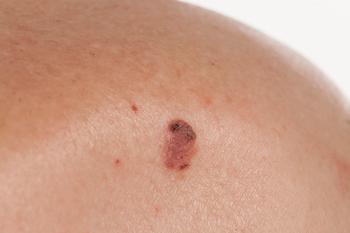
At the ACMS meeting, Chrysalyne D. Schmults, MD, MScE, highlighted molecular diagnostics for squamous cell carcinoma.

Overall, non-melanoma skin cancer (NMSC) visits (all pooled specialties/areas) have been plateauing. However , metropolitan but not rural areas saw an increase in visits where NMSC was the chief complaint. However, the percentage of NMSC in rural areas that is managed by dermatologists and dermatologic surgeons is also on the rise, according to a presentation given at the 2022 American College of Mohs Surgery Annual Meeting.
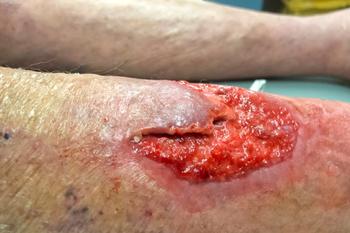
Topical tranexamic acid is an effective wound care adjunct in reducing rates of postoperative bleeding of granulating defects in Mohs micrographic surgical settings.

Single-stage periosteal flap technique to treat full-thickness eyelid defects is safe, effective, and aesthetically acceptable, according to a study presented at the 2022 American College of Mohs Surgery Annual Meeting on May 12, 2022.