

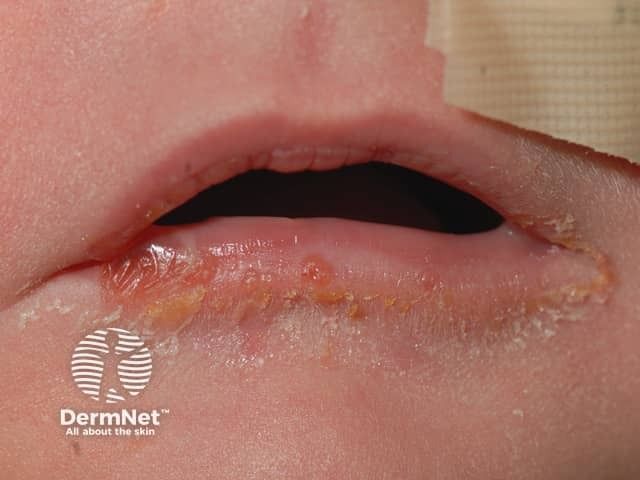
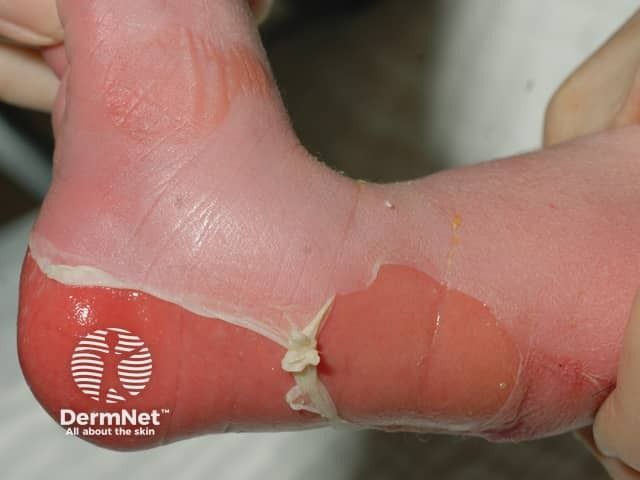


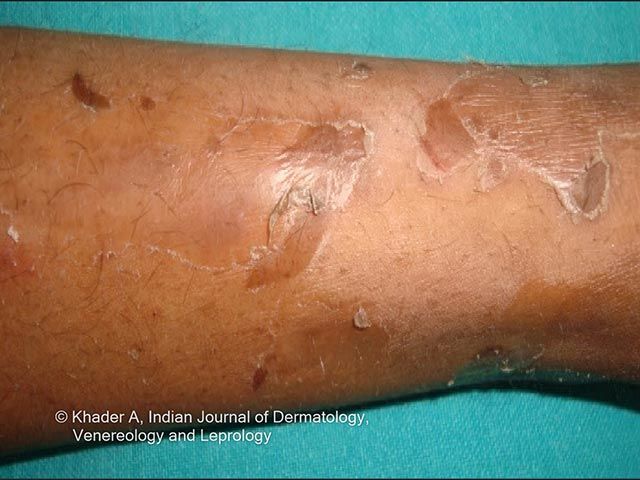


The FDA approved pz-cel, a groundbreaking gene therapy for recessive dystrophic epidermolysis bullosa, transforming treatment options for patients.
The FDA approved pz-cel, a groundbreaking gene therapy for recessive dystrophic epidermolysis bullosa, transforming treatment options for patients.

The pilot study showed notable decreases in mean melanin index after 3 sessions of PRP injections.
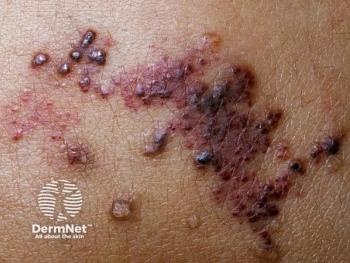
The presentation, led by Amy Paller, MS, MD, highlighted the upcoming phase 3 SELVA study for microcystic lymphatic malformations.

A new case report demonstrated the JAK inhibitor’s efficacy at improving disease severity up to 6 months.

The study stated early recognition and aggressive treatment of childhood-onset MMP are essential to prevent permanent scarring.

The novel treatments will be for patients with orphan conditions like Netherton Syndrome, Peeling Skin Syndrome, SAM Syndrome, and palmoplantar keratoderma.

Nanoneedles boosted CRISPR base editing efficiency in RDEB fibroblasts, enabling precise COL7A1 correction and improved cell function.

Efficacy, safety, and pharmacokinetic data support the use of vilobelimab in treating pyoderma gangrenosum and hidradenitis suppurativa.

The novel formulations will harness Quoin’s Invisicare technology to treat microcystic lymphatic malformations, venous malformations, and angiofibromas.

Today, Dermatology Times recognizes Rare Disease Day in an effort to amplify the voices of the over 300 million individuals affected by rare diseases.

After just 2 weeks of twice-daily use, a pediatric patient saw visually improved skin with no adverse events.
Patients treated with dupilumab showed significant reductions in disease severity, itch, and corticosteroid use.

The initiative, created by Quoin, promotes educational resources and study updates about the rare disease.

Pilot and research grants may be awarded to research on keratinocyte biology and differentiation, genetics, biology of skin inflammation, itch, or other ichthyosis-related areas.

In an interview with Dermatology Times, Del Rosso shared the latest in the treatment landscape for patients with Darier disease.
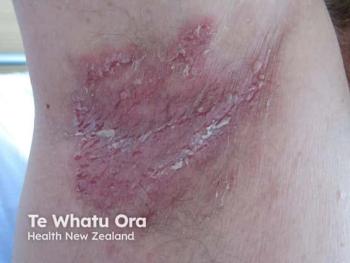
Del Rosso outlined new and off-label therapies for the disease that he shared in his presentation at Winter Clinical Miami.

In an interview with Dermatology Times, Del Rosso gave insight on off-label therapies that could be used to treat granuloma annulare.
QRX003 mimics the LEKTI protein to strengthen skin barriers and alleviate symptoms in patients with Netherton Syndrome.

Disease severity improved from severe to mild after just 6 weeks of twice daily dosage.

The results showed promising improvements in all endpoints with high patient satisfaction and no safety concerns.
The "whole body" study at Northwestern will be lead by Amy Paller, MD, begins soon.

Abeona's pz-cel has been granted a April 29, 2025, PDUFA date.
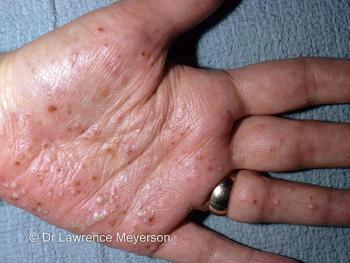
The nonsteroid 1% cream treatment demonstrated good response and tolerability in patients with PPP.
A new method using 2 single-guide RNA/Cas9 tools to target 3 specific COL7A1 gene segments with harmful mutations successfully removed up to 95% of those segments.

Researchers conducted an assessment of the Nationwide Emergency Department Sample to analyze frequency of visits attributed to young patients with DEB.