





Dermatology Times is pleased to introduce our Spring Editor in Chief, Aaron Farberg, MD, with a snapshot of his involvement in the dermatology space.
Dermatology Times is pleased to introduce our Spring Editor in Chief, Aaron Farberg, MD, with a snapshot of his involvement in the dermatology space.

This week’s collection of the latest dermatologic studies covers circulating tumor DNA in advanced cSCC, targeting IL-13 with tralokinumab in AD, a pediatric lymphoplasmocytic plaque case report, and skin of color reporting in randomized controlled trials focusing on SCC.

In an introduction to our April publication, explore an overview of topics covered in this issue and an introduction to our Spring Editor in Chief, Aaron Farberg, MD.

Data was recently published in the International Wound Journal supporting positive outcomes in moderate or severe ulcers.
Keep up with the latest headlines in dermatology from the past week, including the launch of an expanded job board for dermatology support roles, CMS and Incyte's collaboration for povorcitinib in China and Southeast Asia, and more.

ICYMI, this week we had news about Ycanth's J-code launch, highlights from Diversity in Dermatology, bimekizumab's accepted sBLA for HS, and more.

Gil Yosipovitch, MD, discusses the correlation between increased BNP levels and chronic pruritus of unknown origin.

In a comparative study, benzyl benzoate demonstrated superior efficacy in scabies cases, while topical permethrin exhibited a lack of effectiveness.

Researchers reviewed the efficacy and safety of omalizumab in patients with severe CSU in a routine clinical practice setting.
This week’s collection of the latest dermatologic studies covers topical permethrin 5% vs. benzyl benzoate 25% for scabies, the safety of omalizumab in CSU during pregnancy, symptoms of cognitive impairment in children with AD, and the ethics of cosmetic overtreatment.

In this study, topical 0.1% retinol significantly improved crow’s feet, facial wrinkles, uneven skin tone, brown spots, and overall photoaging.

In this week’s Pointers With Portela, the 208SkinDoc reviews how the skin is affected during hormonal changes and menopause.
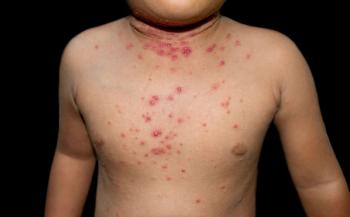
The new launch is set to bring berdazimer topical gel, 10.3% to adults and pediatric patients over the age of 1 with molluscum contagiosum faster.
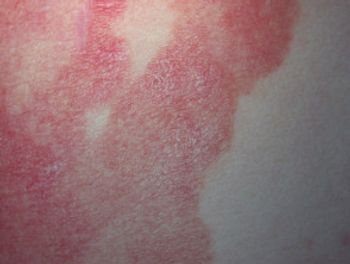
The agreement for a second confirmatory trial comes after a successful phase 3 FLASH study that yielded positive outcomes and efficacy.

Shah discusses the science behind his products, as well as the challenges he didn’t anticipate when launching Remedy.

The biosimilar landscape experienced significant activity, marked by fresh data from conferences, novel findings regarding adalimumab biosimilars, and more.

Shahriari shares pearls and considerations from her sessions at the recent Diversity in Dermatology conference.

Povorcitinib is being evaluated for non-segmental vitiligo, hidradenitis suppurativa, prurigo nodularis, asthma, and chronic spontaneous urticaria.

The permanent J-code for the molluscum contagiosum treatment is now live.
ICYMI, this week we had news about bringing awareness to ethics in aesthetics, the 7 year anniversary of dupilumab's approval for atopic dermatitis, and more.

EltaMD representatives and dermatologists partook in the celebration on March 28 as a continuation of the celebration and momentum of the newly-established National Dermatologist Day.

Catch up on late-breaking research shared at the 2024 American Academy of Dermatology Annual Meeting.

Researchers from Google and Stanford Medicine recently partnered to develop the Skin Condition Image Network dataset, a tool aimed at providing image resources for conditions across skin tones.
In this week’s Pointers With Portela, the 208SkinDoc reveals his journey toward providing free dermatologic care through a mobile clinic.

We compare 2024 Match Day statistics with data from recent years.