

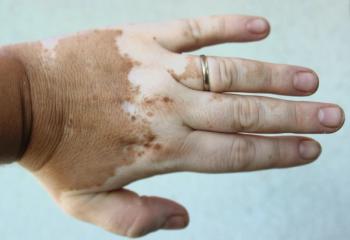
A recent systematic review on surgical therapies for vitiligo examined surgical therapies such as punch grafting, suction blister epidermal grafting, and cellular grafting techniques
A recent systematic review on surgical therapies for vitiligo examined surgical therapies such as punch grafting, suction blister epidermal grafting, and cellular grafting techniques

Vitiligo, an autoimmune skin condition that causes depigmentation, can have a large effect on a patient’s quality of life and psychosocial well-being.
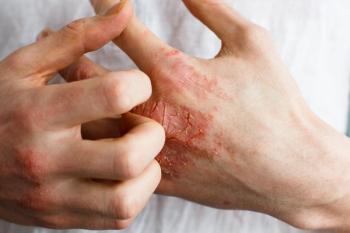
Eric Simpson, MD, MCR, and professor of dermatology at Oregon Health & Science University presents exciting new systemic therapy treatment options for atopic dermatitis.

Julie Harper, MD, a board-certified dermatologist in private practice in Birmingham, Alabama, a founding director and past president of the American Acne and Rosacea Society, gave a presentation on acne treatment updates at the Maui Derm NP+PA Summer 2022 conference.

Recent advances in technology have begun to allow the realization of personalized medicine in the practice of dermatology.
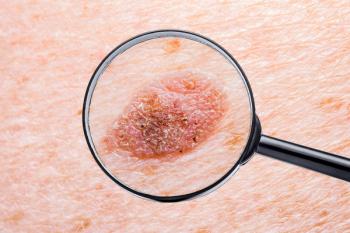
George Martin, MD and Ted Rosen, MD gave a 2-part comprehensive presentation on the changing landscape of cutaneous oncology at Maui Derm NP + PA Summer 2022.

A new study aimed to evaluate the differences in the immunohistochemical staining (IHS) in patients with palmoplantar pustulosis and determine whether they can be divided into two distinct groups based on their histopathological profiles

A recent study dove into how psoriasis and sleep interruptions are related to each other.

Growth in new biologic treatments for widespread cutaneous disease along with innovation in medications for rare conditions such as generalized pustular psoriasis have moved infusion therapy from a nice-to-know to a need-to-know point on dermatologists’ continuing learning curve. The National Infusion Center Association provides answers to commonly asked questions about biologics in an informative presentation at the end of this article.

Advances ranging from combined laser and drug therapies to innovative devices mean patients with acne no longer have to be scared of permanent scarring.

Recent research puts the role of sunscreens in a whole new light. Roger Ceilley MD, FAAD, FACMS outlined need-to-know information on SPF, how to improve adherence and address patient concerns about sunscreen safety and more at the 2022 Fall Clinical Dermatology Conference for PAs & NPs.

A common complaint in puberty, hormonal acne also affects skin health and quality of life for adults of all genders, driving the need for new solutions.
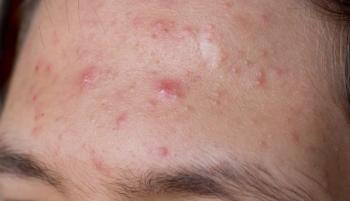
Investigators explore the effectiveness of new combination therapies to address the multifactorial pathophysiology of acne vulgaris.

In vitro and in vivo research sheds light on medication’s mechanism of action.

The human microbiota and its involvement in human health and disease has been emphasized in recent years. Now, researchers have begun to explore whether a patient’s unique microbiota may influence skin cancer risk and response to therapy.

While cigarette smoking has decreased in recent years, the use of e-cigarettes has only grown. But what are e-cigarettes associated risks for non-melanoma skin cancer? A recent study aims to find out.

Dermatologists continue to be split on the pros and cons of skin cancer screening, from overdiagnosis to early detection of thin melanomas.

Mariam Totonchy, MD, and Chrysalyne D. Schmults, MD, MSCE, discuss best practices when caring for high-risk cSCC patients, including surgical vs nonsurgical options, imaging, and follow-up protocol.