


A majority of patients noticed improvement in hyperpigmentation spots, skin texture and evenness after 12 weeks of use.

Marie Bosslett is the assistant editor of Dermatology Times® and joined the MJH Life Sciences team in October 2024. She attended Loyola University Maryland in Baltimore and earned a Bachelor of Arts in Communication with minors in marketing and writing. When she’s not writing, Marie enjoys going to concerts, reading on the beach, and spending time with friends and family.
You can reach her at mbosslett@mjhlifesciences.com.
A majority of patients noticed improvement in hyperpigmentation spots, skin texture and evenness after 12 weeks of use.

Nearly all patients in a new study saw an improved appearance in their forehead up to 12 months after treatment.

Compared to placebo, there was a 70% reduction in IgE levels in children ages 0.5 to 6 after 16 weeks of therapy.
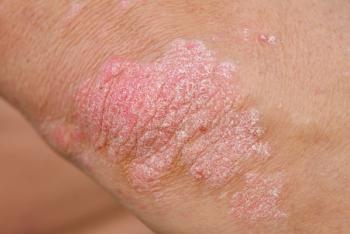
New results from Alumis show a positive clinical response and safety profile after 52 weeks of treatment for patients with plaque psoriasis.

Efficacy, safety, and pharmacokinetic data support the use of vilobelimab in treating pyoderma gangrenosum and hidradenitis suppurativa.
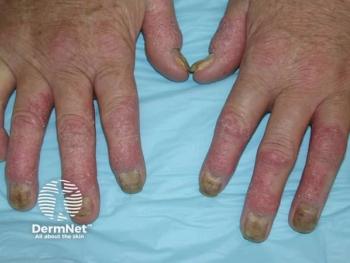
According to a poster from AAD, the National Psoriasis Foundation’s treatment goals were used as a benchmark to determine the risk of developing psoriatic arthritis after initiating biologics.

In case you missed it, this week we had news about the achievements of female dermatologists for Women’s History Month, Takeda’s initiative to improve clinical disparities in psoriasis research, previews of this week’s AAD Annual Meeting, and more.

Along with his session insights on diet and chronic spontaneous urticaria, Friedman shares tips for navigating the largest dermatology conference in the US.

Read more on how to navigate all the opportunities at this year’s AAD meeting, which starts today in Orlando, Florida.

The analyzed dataset included over 200,000 patients with vitiligo to find trends in diagnosis, treatment, and more.

The findings of the MVOR-1 and MVOR-2 studies are published in JAMA Dermatology, supporting the rosacea drug’s recent FDA approval.

The novel formulation improved the appearance of dry and chapped lips after 28 days of use.

The novel formulations will harness Quoin’s Invisicare technology to treat microcystic lymphatic malformations, venous malformations, and angiofibromas.
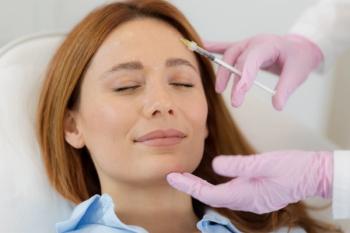
In a conversation with Kristy Hamilton, MD, FACS, she spoke about the recent aesthetic trend and how clinicians can align with new patient expectations.
Experts discussed pediatric atopic dermatitis, treatment innovations, disease burden, and the latest topical and systemic therapies in a DermView video series.
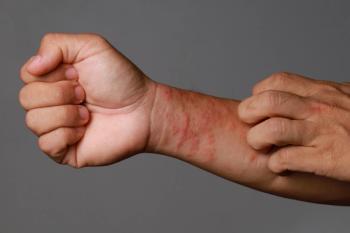
When compared to corticosteroids alone, the combination therapy reduced disease severity and improved the skin barrier.

A new qualitative analysis revealed which type of content on acne is trending on the social media platform and how clinicians should respond.

“It's so exciting to see all these incredible female talents behind me. I want to give back and I want to help them climb on my shoulders and go higher,” Haws said.
In case you missed it, this week we had news about Arcutis’ sNDA for roflumilast in pediatric AD, the current clinical and aesthetic applications of snail mucin, positive results from the CHE delgocitinib trial in China, and more.
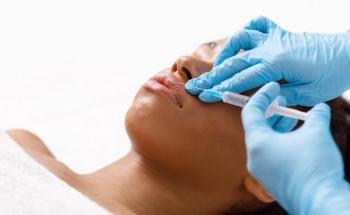
Share your thoughts by answering today’s poll and read about these popular aesthetic techniques for lips.

Review our content from the month of February that recognizes patients and clinicians with skin of color.

Learn more about the in-depth topics covered in the February 2025 print issue of Dermatology Times.

Belgian patients receiving biologics had faster response rates compared to phototherapy, systemic, and topical treatments.

Dermatology Times is looking back on the top stories in dermatology from the month of February.

After just 2 weeks of twice-daily use, a pediatric patient saw visually improved skin with no adverse events.

Nonsteroidal AD therapies are gaining attention due to their rapid effectiveness and ability to offer an alternative to long-term steroid use.
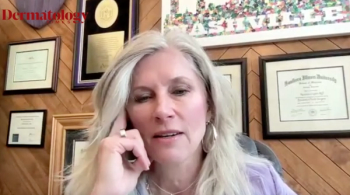
Haws offers advice to female clinicians about leadership, collaboration, and the future of the aesthetics industry.

A two-set Mendelian randomization analysis revealed a genetic correlation between depression and androgenetic alopecia.

A PDUFA target action date has been set for October 13, 2025.

This collective initiative gives Mindy Haws, MD, and her team the ability to reach more women in a way that gives back and helps them succeed.