


Iris Rubin, MD, reveals how her brand SEEN transforms hair products to combat acne, promoting clearer skin through innovative, skin-friendly formulations.

Marie Bosslett is the assistant editor of Dermatology Times® and joined the MJH Life Sciences team in October 2024. She attended Loyola University Maryland in Baltimore and earned a Bachelor of Arts in Communication with minors in marketing and writing. When she’s not writing, Marie enjoys going to concerts, reading on the beach, and spending time with friends and family.
You can reach her at mbosslett@mjhlifesciences.com.
Iris Rubin, MD, reveals how her brand SEEN transforms hair products to combat acne, promoting clearer skin through innovative, skin-friendly formulations.

In case you missed it, this week we had news about the FDA approval of dupilumab for bullous pemphigoid, the upcoming INTEGUMENT-INFANT trial for roflumilast, nail trends that challenge clinical diagnosis, and more.

A global survey reveals the significant psychosocial and financial burdens of hidradenitis suppurativa, highlighting the need for improved patient care and treatment options.

Dupilumab gains FDA approval as the first targeted therapy for bullous pemphigoid, offering hope for effective treatment and improved patient outcomes.
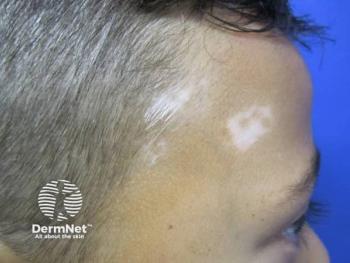
The VALIANT survey uncovers alarming depression rates in vitiligo patients, highlighting the urgent need for improved mental health screenings and interventions.

A real-world study shows the effectiveness of upadacitinib and abrocitinib for moderate to severe atopic dermatitis after 52 weeks of treatment.

Pediatric dermatologist Mercedes E. Gonzalez, MD, discusses roflumilast's promise as a safe, nonsteroidal treatment for atopic dermatitis in infants.

A study reveals the significant emotional burden of work-related chronic hand eczema, highlighting the need for tailored psychological support for affected patients.
Mercedes Gonzalez, MD, discusses the promising INTEGUMENT-INFANT trial, exploring a new non-steroidal treatment for infants with atopic dermatitis.

Discover insights from Peter Lio, MD, on precision medicine in pediatric atopic dermatitis and the promising role of ruxolitinib at the RAD 2025 Conference.
Global studies from LEO Pharma highlight the diagnostic gaps, quality-of-life burdens, and treatment landscape for patients with CHE.

SkinGPT by Haut.AI uses AI to visually simulate skin care results, empowering inclusive, personalized skin care and bridging clinical data with patient insight.
In case you missed it, this week we had news about abrocitinib's flexible dosing for atopic dermatitis, plant-derived exosomes in regenerative skin care, psychosocial support in hidradenitis suppurativa care, and more.

Discover essential sun protection strategies from Dr. Susan Taylor, focusing on the impacts of UV, visible light, and personalized sunscreen choices.

A new comparative study evaluated positive outcomes from patient use of a gua sha versus a facial roller over 8 weeks of treatment.

In a real-world study, the combination of Cuticapil stem hair serum and minoxidil reduced shedding and improved hair density.

Aaron Farberg, MD, led a panel exploring the challenges of diagnosing and treating generalized pustular psoriasis and the promise of targeted therapies.

At RAD 2025, the DISCOVER trial showed that dupilumab monotherapy significantly improved moderate to severe AD symptoms in this patient population.

Discover the future of regenerative skincare with Skin Moderne’s groundbreaking Exosomes Regenerative Complex, a plant-derived innovation led by Dr. Frank Roesken, MD, PhD.
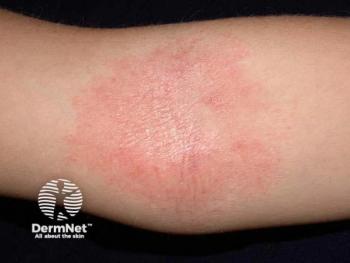
Galderma unveils promising long-term data on nemolizumab for atopic dermatitis, showcasing significant skin improvement and quality of life enhancements.

Discover the revolutionary Hydrafacial HydraFillic with Pep9 Booster, enhancing skin hydration and reducing fine lines with advanced peptide technology.

Almirall is pioneering a holistic approach in dermatology, emphasizing psychological well-being through the WHO-5 index in clinical trials.
In case you missed it, this week we had news about denifanstat's promising phase 3 results for acne, emerging therapies in lichen planus, initial insights from RAD 2025, and more.

At RAD 2025, Eli Lilly revealed promising results for lebrikizumab in treating atopic dermatitis in patients with skin of color.
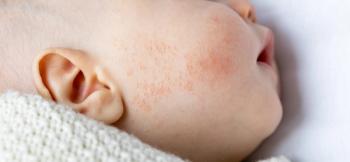
Discover groundbreaking insights from the RAD 2025 conference on roflumilast's potential to transform treatment for infant atopic dermatitis.
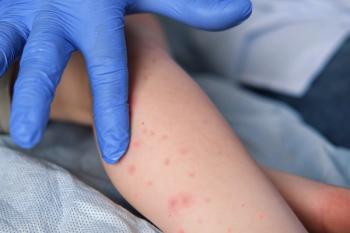
Arcutis Biotherapeutics showcases promising long-term results of Zoryve for atopic dermatitis in young children at RAD 2025, emphasizing safety and efficacy.

The OS-01 peptide formulation enhanced skin barrier function and reduced inflammation, showing promising results in a 12-week clinical trial.

Tristan Hasbargen, PA-C, led a hands-on suturing workshop at the Fall Clinical NP/PA Conference, enhancing skills in surgical dermatology.

The National Psoriasis Foundation Seal of Recognition program has expanded to prescription drugs, making roflumilast the first to achieve the indication.

Explore cutting-edge insights and networking opportunities at this year's Fall Clinical Dermatology Conference for PAs and NPs, focusing on dermatology education and innovative treatments.