


The use of microneedling, however, resulted in decreases in pigmentation and pruritus.
The use of microneedling, however, resulted in decreases in pigmentation and pruritus.
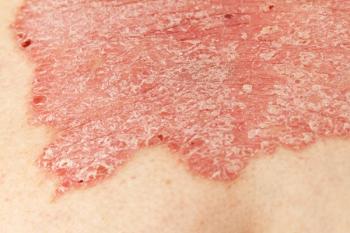
Patients showed significant improvements in skin severity, quality of life, blood pressure, and cardiovascular health, with enhanced psychological well-being.

The new indication adds to existing clearances for hemostasis and electrocoagulation.

Myron Czuczman, MD, of Citius Pharmaceuticals recently shared perspectives on the role and potential of Lymphir in CTCL.

Brenda Kong-Tunac, a patient with PsO, PsA, and skin of color, shares her experiences.
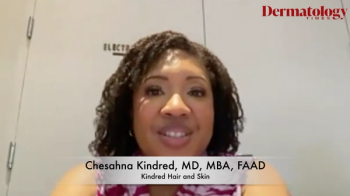
Kindred spoke with Dermatology Times to discuss AbbVie's recent Science of Skin event and improving access to equitable dermatological care.

Jared Gollob, MD, shares highlights of Kymera Therapeutics' recent JID publication.
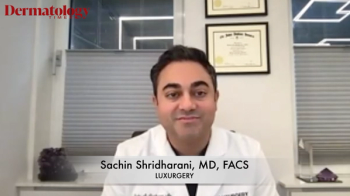
Sachin Shridharani, MD, FACS, discusses the READY-1 and READY-2 clinical trials and positive support for Relfydess.
Keep up with the latest headlines in dermatology from the past week, including the FDA's approval of Lymphir for CTCL, L'Oreal buying stake in Galderma, and more.

Secukinumab improved outcomes in all clusters, with more frequent dosing benefiting severe cases.

Melasma, challenging due to varied pigmentation in different skin types, requires personalized, tailored care.

ND-ZnO technology also demonstrated substantial skin permeation and active ingredient delivery.

The approval is supported by positive phase 3 data for Lymphir in this indication.

Researchers said they hope this consensus guides prescribing decisions among clinicians and encourages development of a standard approach.
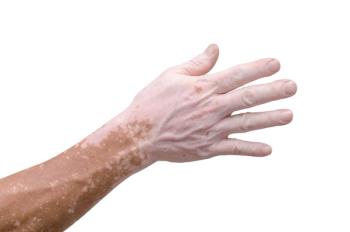
The findings highlight the need for diverse genetic studies to understand their broader impact on autoimmune diseases.

Alumis' Martin Babler shared insights into the program for the TYK2 inhibitor and the company's next steps for its development.

Skin with vitiligo and psoriasis shows increased immune cell type, with a Mendelian analysis finding no causal link between the conditions.
Keep up with the latest headlines in dermatology from the past week, including the FDA's warning to retailers to remove unapproved skin peel products, research into skin cells and their connection to Alzheimer's, and more.

Jacob Scott, MD, president and chairman of DaRT, shares highlights of the guidelines and what he hopes clinicians can glean from them.

Michele Ramien, MD, discusses biologic therapies for pediatric dermatology, focusing on their impact on vaccines, managing side effects, and tailoring treatment.
This article represents the first time the news has been shared with the public. Turn's Founder and CEO, Bradley Burnam, shares details.

Dermatology Times asked our readers to share what conferences they are looking forward to in the third quarter of 2024.

Dermatology Times is looking back on the top stories in dermatology from the month of July.

In combination with cemiplimab, BNT111 contributed to statistically significant and improved overall response rates.

Dermatology Times is recapping our top expert interviews from the month of July.

Generation Z patients had lower atopic dermatitis severity but similar disease perception compared to Millennial patients.
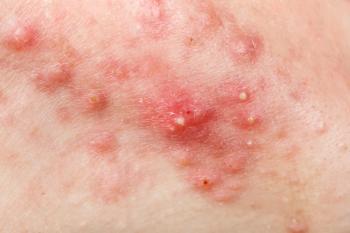
Patients with acne also had higher rates of abnormal zinc and vitamin D levels, especially in severe cases.
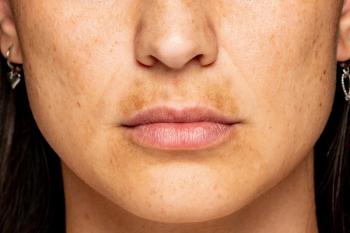
Researchers reported gender differences among individuals with skin conditions and compared sociodemographic, clinical and psychological variables.

Researchers conducted an assessment of the Nationwide Emergency Department Sample to analyze frequency of visits attributed to young patients with DEB.
Keep up with the latest headlines in dermatology from the past week, including new research from Northwestern University in Merkel cell carcinoma, the FDA's approval of deuruxolitinib for alopecia areata, and more.