

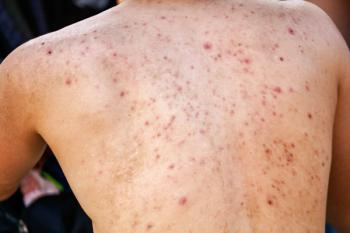
The lotion effectively rebalanced the microbiota, reduced erythema and desquamation, and improved acne severity.
The lotion effectively rebalanced the microbiota, reduced erythema and desquamation, and improved acne severity.

Combining electrocoagulation with pharmacotherapy significantly reduced keloid scar volume by inhibiting collagen deposition, angiogenesis, and cell proliferation.

In a milestone year for Dermatology Times, our Editorial Advisory Board reflects on how the publication has impacted their practice.
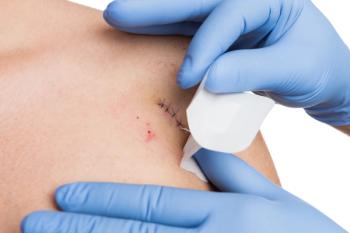
Compared to a stapling device, Xkin reduced scarring, pain, and infection risk more effectively in surgical and trauma wounds.
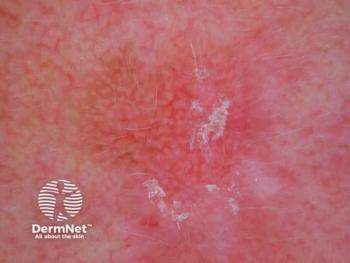
Data from numerous studies identified fluorouracil 5% as ranking the most effective across 3 outcomes.
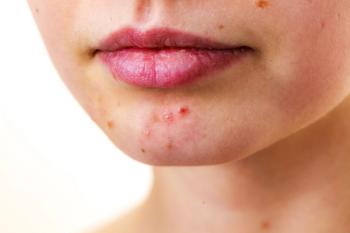
Social media misinformation related to acne vulgaris may require clinician intervention when discussing treatment with patients.

Margins < 1 mm also do not increase the risk of cutaneous squamous cell carcinoma recurrence risk if the galea aponeurotica is not involved.
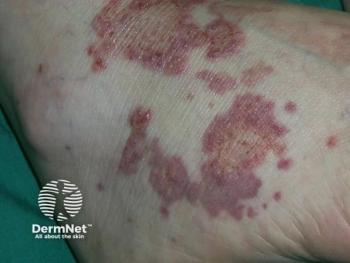
A recent study examined skin manifestations and SS from a dermatological perspective.

Researchers noted that many dermatologists face mild, non-life-threatening complications during procedures, yet must be prepared for emergencies.
In a milestone year for Dermatology Times, our Editorial Advisory Board reflects on key career mentors.

Oral dimethyl fumarate improved all disease classification criteria for plaque psoriasis, showing significant betterment of severity and quality of life.
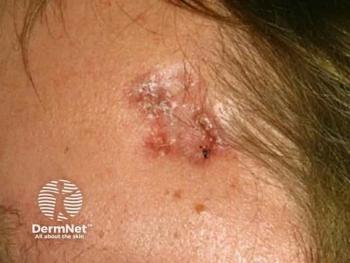
The guidelines for BCC and SCC treatment with IGSRT detail diagnosis, staging, contraindications, protocols, and emphasize the essential role of a multidisciplinary team.

Researchers examined the role of diabetes and glycemic profile in the risk of development of vitiligo in a Mendelian randomization study.

Robert Posnick, MD, hosted a Case-Based Roundtable discussion to review 2 challenging cases of atopic dermatitis involving hyperpigmentation and alopecia areata.
Keep up with the latest headlines in dermatology from the past week, including racial disparities in hidradenitis suppurativa, Stanford Medicine's new Skin of Color program, and more.

In case you missed it, this week we had news about Oleogel-10's potential in dressing changes for pediatric patients with epidermolysis bullosa, data for repigmentation with ruxolitinib cream, a review of pediatric cutaneous Crohn disease, and more.

A recent case series reviewed the treatment patterns and effects of therapies on 89 pediatric patients with CCD.

Four APPs emphasized the vital role of advanced practice providers in improving patient care and expanding service access.
In a milestone year for Dermatology Times, our Editorial Advisory Board reflects on how patient interactions have changed over time.

Researchers said individuals with vitiligo should monitor for RA and SLE, as regular check-ups are essential for managing this risk.
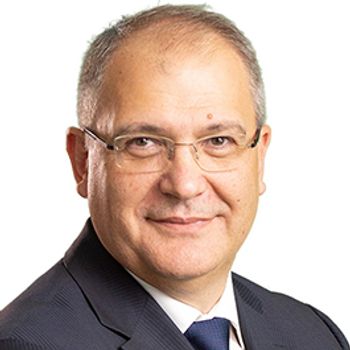
Diamant Thaçi, MD, PhD, shares insights on the data presented at the World Psoriasis & Psoriatic Arthritis (IFPA) Conference.
Mona Shahriari, MD, hosted a Case-Based Roundtable discussion to review 2 challenging cases of atopic dermatitis in patients with skin of color.

Catch up on coverage from the 2024 Society for Pediatric Dermatology Annual Meeting in Toronto, Ontario, Canada.

The AICHI study found a significant prevalence of severe primary axillary hyperhidrosis in children in Japan, according to a poster presented at the SPD's annual meeting.

Metz and Tollefson share insights on efficient practice management, work-life balance, and exciting developments in pediatric dermatology.
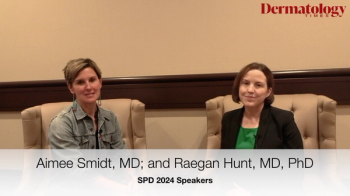
Smidt and Hunt offer insights on navigating pediatric dermatology decision-making, emphasizing learning from clinical scenarios and fostering a culture of feedback and improvement.

Oleogel-10 exhibited potential to alleviate the physical, emotional, and economic strain of dressing changes, according to a poster presented at the SPD's annual meeting.

Catch up on coverage from the third and final day of the 2024 Society for Pediatric Dermatology Annual Meeting in Toronto, Ontario, Canada.

Tapinarof cream 1% has proven to be an effective and safe treatment for atopic dermatitis in diverse populations, according to a poster presented at the SPD's annual meeting.

TMB-001 0.05% demonstrates promising efficacy and safety in treating moderate to severe congenital ichthyosis, according to a poster presented at the SPD's annual meeting.