


Opinion|Videos|March 6, 2026
Treatment Considerations for Symptom Relief in a 42-Year-Old Patient with Systemic Mastocytosis
Author(s)Lauren Madigan, MD
Dr. Madigan explains that for a patient with newly diagnosed indolent systemic mastocytosis (ISM), initial management focuses on best supportive therapies like cetirizine and cromolyn sodium while emphasizing that an epinephrine auto-injector is a mandatory component of care due to high anaphylaxis risks.
Advertisement
Episodes in this series
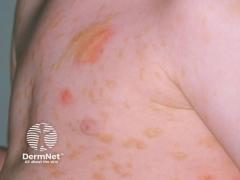
This episode, titled ‘Treatment Considerations for Symptom Relief in a 42-Year-Old Patient with Systemic Mastocytosis,’ features the expert dermatologist discussing the following critical questions:
- Why would this management plan be appropriate for this patient with SM? Which symptoms do you prioritize for relief when making treatment decisions?
- When initiating therapy in SM, what key information do you communicate to patients about treatment expectations, potential side effects, and monitoring? How often are these discussions revisited over the course of care?
- How do you approach patient education around other lifestyle modifications to reduce symptom burden in SM?
- From a dermatology standpoint, what is your approach to long-term follow-up in SM, and how do you monitor skin lesions and symptom trends over time?
- What cutaneous or systemic signs would prompt you to escalate evaluation or refer to hematology/oncology for possible progression from indolent to advanced disease?
Dr. Madigan explains that for a patient with newly diagnosed indolent systemic mastocytosis (ISM), initial management focuses on best supportive therapies like cetirizine and cromolyn sodium while emphasizing that an epinephrine auto-injector is a mandatory component of care due to high anaphylaxis risks. She advises clinicians to educate patients on specific lifestyle triggers, such as alcohol, heat, and NSAIDs, and recommends referring patients with venom allergies for specialized immunotherapy. Long-term surveillance involves annual skin examinations to monitor for malignancies, alongside the regular tracking of serum tryptase levels and KIT mutation variant allele fractions to screen for signs of disease progression. Ultimately, she notes that while supportive agents often suffice, dermatologists must remain vigilant in monitoring clinical and laboratory parameters to escalate care to hematology if findings suggesting advanced disease emerge.
In the next episode, ‘Navigating Severe, Refractory Symptoms in a 50-Year-Old Patient with Systemic Mastocytosis’, Dr. Madigan will continue her discussion on SM and highlight a second case involving a 50-year-old patient with refractory ISM whose severe symptoms persist despite multiple supportive therapies.
Advertisement
Related to this article

SYX-5219 improved disease severity and itch in a Phase 1b trial of adults with moderate to severe atopic dermatitis.

In a survey of 301 employed adults, overall work impairment attributable to CHE was 31.8%, and quality of life worsened in step with self-reported disease severity.

An analysis of 633 skincare brands found gaps in evidence, safety information, and claim support, raising questions about what patients can verify online.

Can “Botox in a bottle” really rival injectable neuromodulators? We examine the evidence behind topical peptide serums and Argireline.

Dermatology clinicians at a Case-Based Roundtable in Austin, Texas, discussed real-world strategies for sequencing topical therapy, phototherapy, and ruxolitinib cream across pediatric and adult vitiligo cases.
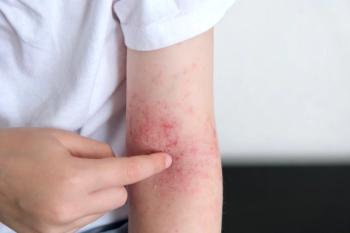
Christophe Piketty discusses 3-year ARCADIA data demonstrating sustained efficacy and long-term safety of nemolizumab in atopic dermatitis.

Two claims analyses of hidradenitis suppurativa showed similar symptom prevalence in males and females and lower dermatologist access among rural patients than urban patients.
Day 3 of Fall Clinical 2026 featured roflumilast data in genital psoriasis, long-term JAK inhibitor safety in atopic dermatitis, and expert insights on setting expectations in HS, treating advanced cSCC, and screening aesthetic patients.
Advertisement
Advertisement
Trending on Dermatology Times
1
First-in-Class Oral PKM2 Modulator Shows Early Efficacy in Atopic Dermatitis
2
Hidradenitis Suppurativa Claims Data: Sex Parity and Rural Care Gaps
3
No Observed Skin Lesion Flares After Switching to Upadacitinib in Atopic Dermatitis
4
JAK Inhibitor Safety in Atopic Dermatitis: Long-Term Epidemiology Data
5