


Opinion|Videos|November 15, 2024
Roflumilast: Mechanism, and Use for Proactive AD Management
Key Takeaways
- PDE4 inhibitors vary in selectivity, binding affinity, and pharmacokinetics, affecting therapeutic outcomes and adverse effects.
- Differences in isoform selectivity and tissue distribution influence efficacy and safety profiles of PDE4 inhibitors.
Panelists discuss common misconceptions about the mechanism of action of PDE4 inhibitors in clinical practice, emphasizing that not all PDE4 inhibitors are created equal and how these differences can significantly impact their efficacy and safety profiles.
Advertisement
Episodes in this series

- What are some common misconceptions about the mechanism of PDE4 inhibitors that you encounter in clinical practice?
- Please explain why all PDE4 inhibitors are not created equal. How might these differences impact efficacy and safety profile?
Advertisement
Related to this article
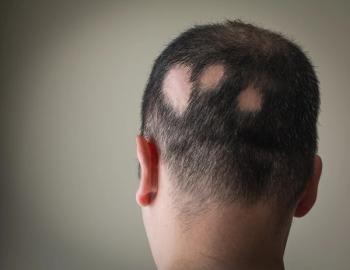
The September issue highlights advances in alopecia areata, cosmetic SPF, psoriasis treatment, teledermatology, and atopic dermatitis.

Two-year oral IL-23 data, GLP-1 biomarker findings, and a nonsurgical option for superficial basal cell carcinoma headline the sessions covered in Las Vegas.

A retrospective claims analysis of 2897 matched pairs found hazard ratios of 0.48 to 0.67 for new atopic disease with dupilumab vs systemic corticosteroids in children.

SYX-5219 improved disease severity and itch in a Phase 1b trial of adults with moderate to severe atopic dermatitis.
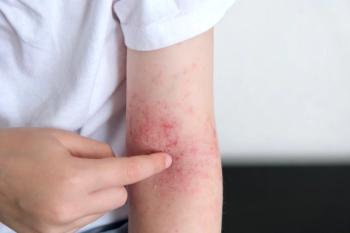
Christophe Piketty discusses 3-year ARCADIA data demonstrating sustained efficacy and long-term safety of nemolizumab in atopic dermatitis.
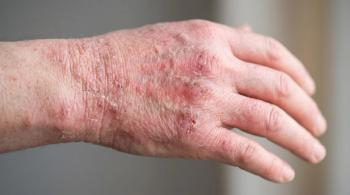
No skin lesion flares were observed through 16 weeks after switching from dupilumab to upadacitinib; itch flares occurred in 3.6% to 4.8% of patients with baseline WP-NRS scores of 6 or lower.

Three-year ARCADIA LTE data show sustained skin clearance and itch control with nemolizumab in moderate-to-severe atopic dermatitis.
Advertisement
Advertisement
Trending on Dermatology Times
1
Lutikizumab Meets Primary End Point in Phase 3 HS Trial
2
Intismeran Plus Pembrolizumab Improves RFS in Melanoma
3
Navigating New Treatments From Alopecia to Atopic Dermatitis
4
AAD, HS Foundation Issue First Joint Hidradenitis Suppurativa Guidelines
5