


Feature|Videos|November 10, 2026
Risks of Under-Treating Severe Atopic Dermatitis in Children
Author(s)Eingun James Song, MD, FAAD
Eingun James Song, MD, reviews the risks of under-treating pediatric atopic dermatitis and post hoc growth data with dupilumab.
Advertisement
Eingun James Song, MD, dermatologist, director of clinical research, and co-chief medical officer at Frontier Dermatology, recently discussed how he counsels families on treatment for severe pediatric atopic dermatitis (AD) in a


Weighing the Risk of Under-Treating Severe Disease
Song said safety discussions with parents apply to any treatment, not only biologics. “We could talk about the risks or some of the safety concerns of any particular medication, whether it’s a cream, a pill, or a shot, but we also need to focus on the risk of under-treating a disease,” Song said.
He cited compelling evidence of higher risk for type 2 comorbidities, including asthma, food allergies, and nasal polyps, among children with severe atopic dermatitis when disease is not well controlled. Neuropsychiatric comorbidities such as anxiety, ADHD, and depression also carry higher risk.
Bone growth now enters the discussion. Song said these patients may be smaller and might have grown taller had intervention come at the right time. “I always try to balance what’s the risk of over-treating versus the risk of under-treating,” Song said.
Framing Biologic Therapy for Families
Song said a biologic is not inherently safer or more dangerous than other treatments. “A biologic does not necessarily make a treatment inherently more safe or more dangerous. It’s just simply a byproduct of how it was produced,” Song said.
He compared biologics with insulin and vaccines, both derived from living organisms. In atopic dermatitis, he often likens a biologic to an allergy shot, while acknowledging the comparison is not entirely accurate. “I have found the best success of actually likening it to an allergy shot,” Song said.
Limitations of Post Hoc Growth Data
Song noted the growth findings come from post hoc analyses, not studies prospectively designed and powered to show height differences between children receiving dupilumab and those receiving placebo. A dedicated trial may face logistical and ethical challenges, since delaying an effective medication raises concerns.
Even so, he said objective biomarkers beyond bone alkaline phosphatase, imaging such as DEXA, and height and weight measurements could add information. Researchers would need to control for topical corticosteroid use, sleep, and diet. “I think trying to capture as much data when it comes to growth is going to be important for us,” Song said.
Drug Effect, Class Effect, or Disease Control
Song said providers first need to know whether the benefit of dupilumab is real. “Is this more of a drug effect? Is it a class effect?” Song said.
He noted IL-13 inhibitors, IL-31 blockers, and JAK inhibitors may show similar growth benefits as approvals extend to younger children. Song expects clinical trials to capture more data, which will clarify whether the goal is a particular therapy or simply disease control. He called this the most important question.
Advertisement
Related to this article

A single subcutaneous dose led to a 4-point or greater itch reduction in 82% of patients with chronic pruritus at week 12 vs 22% with placebo, Attovia reported.

Pediatric dermatologists outline how to evaluate suspected topical steroid withdrawal, exclude mimics, and preserve family trust in eczema care.
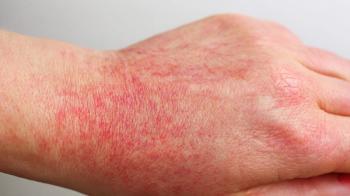
Atopic dermatitis care is evolving with flexible biologic dosing, expanded pediatric options, and novel oral, topical, and systemic therapies.

ATI-052 improved disease severity and itch in a phase 1b trial of patients with severe atopic dermatitis, with no grade 3 or 4 adverse events.
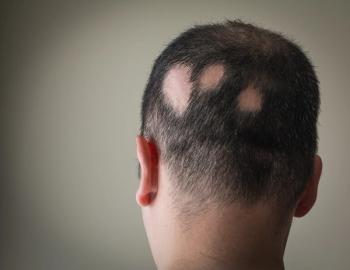
The September issue highlights advances in alopecia areata, cosmetic SPF, psoriasis treatment, teledermatology, and atopic dermatitis.

SPD 2026 highlighted advances in pediatric dermatology spanning textured hair care, vitiligo, vascular anomalies, mental health, genetics, and collaborative care.
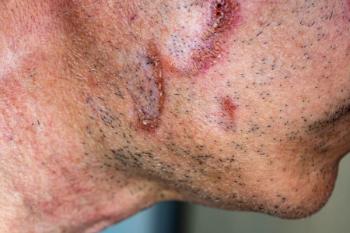
Phase 2 BEACON findings published in JAMA Dermatology demonstrate rapid improvements in disease activity and skin-related quality of life with oral brepocitinib.
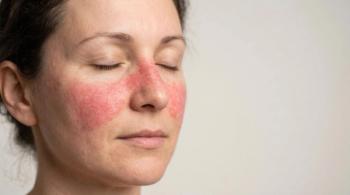
Phase 2 AMETHYST findings show continued improvements in skin redness and clinician- and patient-reported outcomes with litifilimab.
Advertisement
Advertisement
Trending on Dermatology Times
1
Bimekizumab Sustains Joint Responses Through Week 24 in PsA
2
PASI 100 Rates and Site-Specific Responses With Oral Psoriasis Therapies
3
Veradermics Reports Sustained Hair Growth With VDPHL01 at 1 Year
4
Where Patients With Alopecia Areata Fit on the Path to Systemic Treatment
5