Dermatology’s growing focus on skin longevity demands clear definitions, validated outcomes, and rigorous evidence beyond anti-aging claims.
At IMCAS, Anne-Cécile Chevrier revealed new Galderma data on menopause and skin, urging earlier education and proactive treatment choices.
Menopause’s impact on skin quality is emerging as a major, yet underrecognized, clinical concern in dermatology.
In this Q&A with Dermatology Times, Chevrier discusses the key data presented, Galderma’s plans to integrate menopausal status into future clinical research, and why earlier, more proactive conversations about skin quality during menopause are essential for both clinicians and patients.
Dermatology Times: What were the key findings and statistics from the menopause survey that was presented at IMCAS?
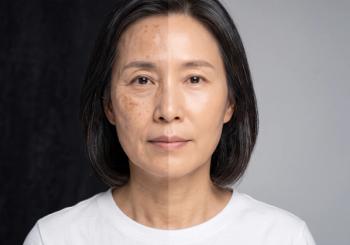
Chevrier: One of the primary goals of our survey, which included more than 4,300 women, aged 45 to 60, who have or would be open to aesthetic treatments, was to better understand women’s real experiences during menopause, particularly how informed they feel about the changes happening to their skin. The survey looked at women across Europe, the Americas, the Middle East, and Asia. More than half of women told us they only learned about menopause‑related skin changes by experiencing them firsthand, often in their 40s, while more than 30% said they would have preferred to understand these changes in their 30s. Over half also described themselves as neutral or dissatisfied with their current level of knowledge about menopause – increasing to two thirds in the US, Brazil, the UK, and Germany – and revealing a gap in early awareness.1,2 The women surveyed experienced an average of 3 skin changes to the face and body since the start of menopause. The main changes were lines and wrinkles, loss of firmness and elasticity, increased dryness, and a duller skin tone. The overall impact of skin changes on the face and body was rated 6 out of 10 in severity.
The survey also highlighted that many women are engaging with aesthetics only after symptoms are already visible. Nearly half reported using treatments reactively for menopause‑related skin changes, and fewer than a third said they had taken a preventive approach. Importantly, more than 60% said they would have made different choices had they known earlier how menopause could affect their skin. Interestingly, women who have had aesthetics treatments felt more content with their level of knowledge, suggesting that aesthetic procedures may support better education around the impact of menopause on the skin. This highlights how much opportunity there is to support women with better information sooner.1,2
We also wanted to identify which skin changes women were experiencing and how these related to their sense of confidence and wellbeing, as well as to understand where aesthetic treatments might play a supportive role. The findings made clear that menopause‑related changes go well beyond the physical: two thirds of women said these changes made them feel less attractive, and about half said they wanted to socialize less too, underscoring the importance of earlier awareness and better education.1,2
Dermatology Times: Beyond this survey, how will Galderma continue to raise awareness of the impact of menopause on the skin and thus, integrate these findings into future research?
Chevrier: First and foremost, we believe in the value of listening to patients – and here more specifically, to the needs of women. This survey is an important first step in building a more complete understanding of women’s needs during the menopausal transition, which can last for over a decade, and we are committed to sharing these insights with the medical community to support their education and clinical decision‑making.
Second, we will continue to use our dermatology expertise to help close the awareness and education gap. Around 85% of aesthetic patients are women, so it’s critical to understand how hormonal transitions, including menopause, impact their skin concerns over time, and how aesthetic treatments can support them. In fact, the survey showed that up to 80% of women are interested in learning more about how biostimulators or hyaluronic acid fillers can address menopausal-related skin changes.1,2 So we’ll be working closely with the medical community to share emerging insights into this population.
To deepen scientific understanding further, we have taken the pioneering step of including menopausal status in our clinical trials moving forward. This will generate robust data on how our injectable aesthetic treatments perform in peri‑ and post‑menopausal women, ensuring that treatment innovations better reflect the needs of this important and growing patient group who are calling out for more information and solutions that are built to suit their needs.
Dermatology Times: Is there anything else you’d like to share with our DT readers?
Chevrier: One thing I would add is that menopause is part of a broader conversation we’re having with patients and clinicians about skin quality and how it affects overall wellbeing. We have a longstanding commitment to gathering and sharing real‑world insights; last year at EADV, for example, we presented new data on the impact of the environments we live in on sensitive skin. Whether the topic is menopause, medication‑driven weight loss-related skin changes, or skin sensitivity, we continue to hear a common theme: people want to better understand how to care for their skin and improve their skin quality. Ultimately, how we feel about our skin plays a meaningful role in how we feel about ourselves, and we’re excited to continue investing in research that supports both patients and practitioners on this journey.
References
1. Galderma. Data on file. Menopause Patient Survey.
2. Fabi G, et al. The potential role of biostimulators/dermal fillers to address menopause-related skin conditions. Poster presented at IMCAS; January 29-31, 2026; Paris, France