Shannon Trotter, DO, moderated a Dermatology Times Case-Based Roundtable event on how pharmacokinetics, adverse event timing, and trial response criteria should shape hedgehog pathway inhibitor selection in advanced BCC.
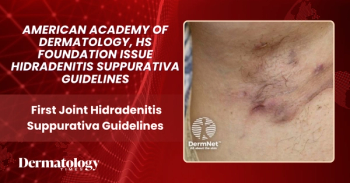
The first case involved a middle-aged patient with severe, long-standing hidradenitis suppurativa (HS) marked by years of active disease with extensive sinus tracts, dense scarring, chronic drainage, frequent flares, constant pain, limited mobility, and a daily life centered around symptom management.
Hidradenitis suppurativa (HS) occupies a unique and challenging space in dermatology. It is common enough that many clinicians encounter it regularly, yet complex enough that management can be varied across practices. The disease is medically challenging, often procedurally intensive, and associated with a significant psychosocial burden for patients, with care frequently shaped by insurance constraints. Importantly, HS is a disease in which timing can play a critical role in long-term outcomes.
Across 3 recent Dermatology Times Case-Based Roundtables—moderated by Martina Porter, MD; Joe Gorelick, MSN, FNP-C; and Steven Daveluy, MD—clinicians explored 3 cases of HS, each with their own complex needs. Though discussed in different locations and through different professional lenses, these cases revealed a consistent theme: Many patients with HS are escalated too late, treated too narrowly, and evaluated too superficially.
Rather than debating abstract guidelines, these roundtables centered on real patients whose disease trajectories reflect the consequences of delayed intervention, the risks of overreliance on antibiotics, and the disconnect that can exist between visible disease and lived experience. Together, the cases depicted how HS often unfolds in real life: early inflammation is underestimated, moderate disease is managed conservatively by nondermatology clinicians, and severe disease is often associated with permanent skin damage.
What emerged from these conversations was not a single preferred drug or protocol but a shared approach of how dermatology clinicians define severity, evaluate readiness for biologics, and incorporate patient-reported burden into decision-making.
The first case involved a middle-aged patient with severe, long-standing HS. The disease had been active for many years and was characterized by extensive sinus tracts, dense scarring, chronic drainage, and frequent flares. The patient’s pain was constant, their mobility was limited, and their daily life revolved around managing symptoms.
The patient had not been untreated. In fact, their medical history reflected years of effort: multiple surgical interventions aimed at excising diseased tissue, repeated courses of systemic therapy, and trials of several biologic agents. Some treatments provided temporary relief, but none delivered sustained disease control. “Repeated antibiotics can make us feel like we’re doing something, but they rarely change the long-term story of HS,” Gorelick said.
This case, presented across all 3 roundtables, immediately grounded the discussions in the reality of advanced HS—not as an abstract end point but as the cumulative result of years of inflammation.
From the outset, Porter emphasized that HS cannot be managed through medication alone, particularly once the disease reaches this stage. “The main thing,” she said, “is that this is a disease that doesn’t just need medical treatment. It also means procedural treatment at all different times.”
That statement resonated across roundtables. Attendees acknowledged that severe HS often requires constant coordination between systemic therapy, procedural intervention, and wound management. Even the most effective biologic cannot reverse established tunnels or dense fibrosis.
The discussion quickly moved beyond what to use and focused on when intervention should occur. Several clinicians noted that although biologics had eventually been introduced, the disease may have already passed a critical threshold by that point.
Daveluy raised this concern during his own roundtable, noting that many clinicians still delay biologic therapy until late-stage disease is evident. “Many dermatologists still wait for tunnel formation or Hurley stage 3 disease before starting biologics,” he said, despite growing evidence that irreversible damage begins much earlier. “By the time HS looks severe on exam, the disease has often been active for years—we’re seeing the aftermath, not the beginning.”
Participants reflected on how traditional staging systems may inadvertently encourage delay. Hurley staging, although useful, does not capture the duration of inflammation, frequency of flares, or cumulative tissue injury. By the time the disease is labeled as severe, the window for prevention has often closed.
European guidelines emphasizing earlier biologic use were cited as validation of this evolving understanding. These recommendations reflect data suggesting that suppressing inflammation earlier may prevent the cascade of structural damage seen in patients like this one.
Despite these reflections, the tone of the discussion was not one of blame or regret. Instead, clinicians focused on how best to support patients who present with advanced disease now. “The biggest mistake we make in HS is waiting for certainty in a disease that rewards early action,” Daveluy said.
In cases like this, attendees agreed that treatment goals must be individualized and realistic. Complete clearance may be unattainable, but meaningful improvements in pain, drainage, and flare frequency can still profoundly improve quality of life. As Porter noted: “When patients say a single lesion ruins their week, we need to listen—that’s not exaggeration, that’s lived experience.”
Porter emphasized the importance of patient preference and readiness, particularly in those who have endured years of treatment fatigue. Trust-building, expectation-setting, and honest conversations about limitations were described as essential components of care. This case served as a powerful reminder that although multimodal, aggressive treatment can still help, earlier intervention might fundamentally alter the disease trajectory.
Taken together, these cases illustrate a specialty in transition. Dermatologists are redefining what constitutes severity, lowering thresholds for escalation, and placing greater emphasis on patient experience.
The lesson is clear: When inflammation is allowed to persist, the consequences are lasting. When clinicians listen closely, intervene earlier, and embrace multimodal care, the course of HS can change. These cases were not simply educational exercises; they were reminders that HS is a disease of cumulative damage—and that timing, empathy, and decisive action matter just as much as the therapies themselves.
8 months ago
Optimizing Biologic Therapy in HS: Part 38 months ago
Optimizing Biologic Therapy in HS: Part 2