Alexandra Charrow, MD, discussed biologic selection, deroofing, and emerging procedural approaches to hidradenitis suppurativa at Maui Derm NP+PA Fall 2026.
A new study at EADV 2025 links atopic dermatitis to increased suicidal ideation, highlighting the condition's severe psychological impact.
A landmark international study unveiled at the
“These findings reveal a critical insight from our large-scale study, which seeks to uncover the hidden, long-term impact of living with common inflammatory skin conditions such as atopic eczema,” Delphine Kerob, MD, scientific director of La Roche-Posay Laboratoire Dermatologique, said in a statement.1
Methods and Materials
The “Scars of Life” cross-sectional, observational research is being conducted by La Roche-Posay Laboratoire Dermatologique and aims to create a comprehensive international database to evaluate the psychosocial burden of atopic eczema. It involves a team of global eczema experts led by Jonathan Silverberg, MD, PhD, MPH, professor of dermatology and director of clinical research and contact dermatitis at the George Washington University School of Medicine and Health Sciences in Washington, DC.
“Scars of Life” surveyed 30,801 adults from 27 countries between June and September 2024, making it one of the largest ever trials to examine the mental health burden of AD. Of these 5,223 participants had physician-confirmed current eczema, while 7,968 served as controls. Patients were grouped by age of disease onset (childhood, adolescence, or adulthood) and completed an online questionnaire. The survey explored sociodemographic information, self-reported suicidal ideation, severity of itch and skin pain, disease severity, and experiences of skin-related stigmatization.
Results
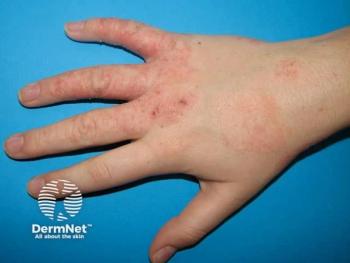
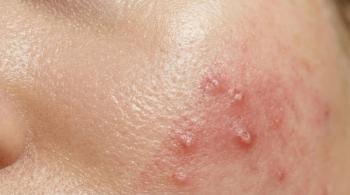
One of the most striking findings was the significantly elevated prevalence of suicidal thoughts among those with atopic eczema. Approximately 13.2% of patients reported suicidal ideation, compared to 8.5% of those without the condition. All subgroups had higher odds of suicidal ideation. Several other demographics, clinical, and psychosocial variables were found to increase the risk of suicidal ideation among patients with AD:
“The results highlight that the effects of atopic eczema are more than skin deep, with suicidal thoughts representing a serious and frequent concern that is often overlooked by healthcare professionals,” Kerob said. “By identifying the main risk factors behind suicidal ideation in this population, we hope this study will help healthcare professionals better recognize and address these challenges, supporting patients’ overall well-being more effectively.”1
Next Steps
When asked about the future of the “Scars of Life” study, Kerob said, “Looking ahead, we are investigating why suicidal ideation occurs at different rates across countries, which may reflect important cultural differences. At the same time, ongoing analyses from the “Scars of Life” study are enhancing our understanding of what happens beneath the surface in patients with atopic eczema.” 1
References
1. Seneschal, J., Halioua, B., Tan, J., Gu, C., Luger, T., Dodiuk-Gad, R., Takaoka, R., Aslanian, F., Prakoeswa, C. R. S., Demessant-Flavigny, A.-L., Lefloch, C., Kerrouche, N., Merhand, S., Smith Begolka, W., Luca de Tena, Á., Burstein, S., Kerob, D., Taieb, C., Skayem, C., Kelbore, A. G., Misery, L., Tempark, T., Stratigos, A., Steinhoff, M., & Silverberg, J. I. (2025). Prevalence and risk factors of suicidal ideation in atopic eczema: Insights from the Scars of Life study. Presented at the European Academy of Dermatology and Venereology (EADV) Congress 2025.
2. Schonmann, Y., Mansfield, K. E., Hayes, J. F., Abuabara, K., Roberts, A., Smeeth, L., & Langan, S. M. (2020). Atopic eczema in adulthood and risk of depression and anxiety: A population-based cohort study. The Journal of Allergy and Clinical Immunology: In Practice, 8(1), 248–257.e16.