


Factors determining severe levels of stress included uncertainty about treatment progress, diagnosis, and treatment path.
Factors determining severe levels of stress included uncertainty about treatment progress, diagnosis, and treatment path.

Half of study participants achieved treatment success vs less than one-fourth with vehicle.

One of the many minds behind innovative Fall Clinical Dermatology sessions gives a sneak peek of the top 5 things to look forward to during this year's meeting.

Click here to answer if you're attending Fall Clinical.
Among the many sessions to be held at the 2023 Fall Clinical Dermatology Conference in Las Vegas, Nevada, several Dermatology Times® Editorial Advisory Board members are preparing to share their knowledge and insights.

Bimekizumab is now the first and only approved IL-17A and IL-17F inhibitor for this indication.

October 6-12 was National Physician Assistant Week.

With October being National Eczema Awareness Month, there is robust research about the power of the microbiome and eczema.
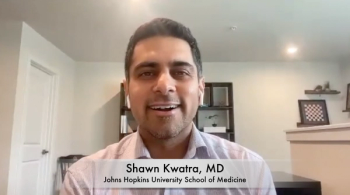
Kwatra presented the abrocitinib data at EADV 2023.

Allergan Aesthetics recently announced the fifth-year of its partnership with Girls Inc. Nkem Ugonabo, MD, MPH, and Adelle Infante recently spoke with Dermatology Times to discuss the importance of STEM and dermatology mentorship.

While blue light irradiation was efficacious in reducing itch and IL-31 levels, it did not reduce any of the objective measures of AD.

Lindsey Zubritsky, MD, FAAD, discusses the importance of providing accurate eczema care education throughout the month of October.

This week’s collection of the latest dermatologic studies covers understanding the role of the skin microbiome in AD treatment, management of human hair follicle microbiome by a synthetic odorant, efficacy of tralokinumab in AD treatment, and considerations in geriatric dermatopathology.

Dupilumab’s efficacy was sustained through the 260-week open-label study.

Caregivers of children with AD also experience increased levels of stress, anxiety, depression, and suicidal ideation, extending the impact beyond the affected individual to their families.

In studying pediatric patients with skin of color in a center specializing in pigment and skin of color, investigators described a paucity of literature of such nature.

The expanded study data correlates with the safety and efficacy of ruxolitinib cream in patients with atopic dermatitis.
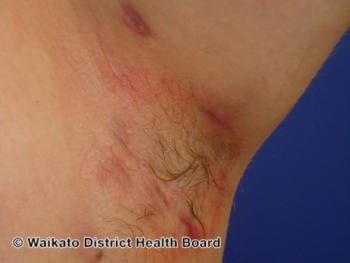
After maintenance treatment with sonelokimab dosed every 4 weeks, 57% of patients achieved HiSCR75 at week 24.

Sometimes patients are unsure of what they can request from an employer for their skin conditions, and advice from a trusted clinician about reasonable accommodations can serve as an extra step to build their confidence to continue their career.

The advancement is based on previous observations of preliminary clinical efficacy. There are currently no FDA-approved therapies for this patient population.

Prepare your patients with helpful resources during National Eczema Awareness Month.

Skin conditions can be associated with the presentation, progression, and treatment of breast cancer.

What would you suggest or prescribe for these AD symptoms in a 68-year-old man? Test your knowledge and take a look at new data on AD in older patients.

Inmagene recently announced the first patient was dosed in its study of the efficacy and safety of IMG-007 in hair loss.

In this Q&A, eczema patient, advocate, and "skinfluencer" Alexis Smith offers perspectives on National Eczema Awareness Month and AbbVie's Under My Skin documentary.
Keep up with the latest headlines in dermatology from the past week, including the use of AI to effectively detect skin cancers, research related to the burden of stigma in acne among women, and more.

Joel Schlessinger, MD, shares his atopic dermatitis insights.

Approval is based on data from Bristol Myers Squibb’s CheckMate – 76K trial.

ICYMI, this week we had articles about JNJ-2113 advancing in plaque psoriasis. and ulcerative colitis clinical development, finding balance during busy conference seasons, numerous late-breaking announcements from EADV, and more.
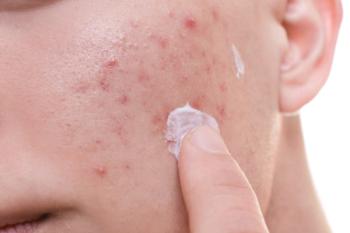
Overall, acne events were mild or moderate and did not cause patients to discontinue ruxolitinib cream treatment.