


The pharmacokinetic profile of APG777, characterized by an extended half-life, increased exposure, and reduced clearance compared to lebrikizumab, is promising for patients with IL-13-driven diseases.
The pharmacokinetic profile of APG777, characterized by an extended half-life, increased exposure, and reduced clearance compared to lebrikizumab, is promising for patients with IL-13-driven diseases.

The goal of Arron et al’s study was to determine if the 40-GEP test could identify high-risk cSCC patients who would benefit from ART in controlling metastatic disease progression.

The positive outcomes observed in these cases underscore the potential for these products to revolutionize the way dermatology clinicians address visible signs of facial aging.

Shah is presenting alongside a panel of leading experts at Fall Clinical 2023.
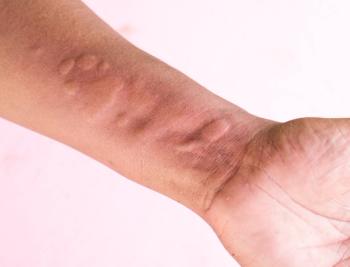
Dawn Merritt, DO, and Mark Lebwohl, MD, took the stage to explain the history of CSU, the prevalence of testing and food avoidance, approved treatments, and monitoring treatment improvement for the condition.

Catch up on coverage from the second day of the 2023 Fall Clinical Dermatology Conference.

Francesca Tenconi, president and CEO of Children’s Skin Disease Foundation and Camp Wonder, presented at Fall Clinical 2023 about the challenges of chronic skin conditions in children.

The US Food and Drug Administration has approved IDP-126 gel for patients with acne.
The CRL states that additional efficacy data is needed in order to support approval.

If you weren’t able to attend the 2023 Inflammatory Disease Summit or want to review our latest coverage and interviews, our full recap has you covered.

Kristine Kucera, PA-C, gave an in-depth overview of the JAK-STAT pathway at the 2023 Inflammatory Disease Summit.

Lisa Sanglay, FNP, and Lauren Miller, PA-C, interviewed a patient at IDS 2023 who used to have debilitating atopic dermatitis before seeing Sanglay for help and who prescribed upadacitinib.

82.8% of adult patients with iPsO achieved an IGA score of 0 or 1 indicative of complete or almost complete lesion clearance.
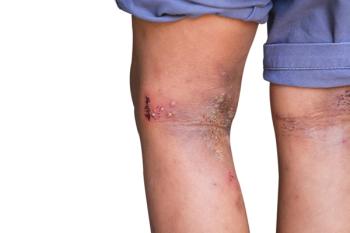
April Armstrong, MD, MPH, and Peter Lio, MD, explained the science behind how AD impacts quality of life and biologics on the market to enhance treatment plans.

Skin clearance, itch relief, and reduced severity of atopic dermatitis were sustained with monthly maintenance dosing.

Hasbargen presented clinical cases alongside James Del Rosso, DO, at IDS 2023.

Topline results from the phase 3b trial revealed significant improvements in patients with skin of color whose psoriasis was treated with guselkumab.
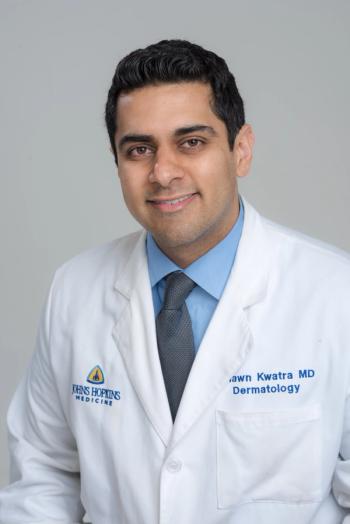
Kwatra reviewed skin lesions in PN and important treatment considerations for patients at Fall Clinical.

Catch up on coverage from the first day of the 2023 Fall Clinical Dermatology Conference and the Inflammatory Disease Summit.

Andrea Nguyen, PA-C, reviewed types of clinical trials, phases, expenses, and more at the 2023 Inflammatory Disease Summit.

Bhatia also shared insights into ritlecitinib for alopecia areata at Fall Clinical 2023.

Lauren Miller, PA-C, kicked off the inaugural 2023 Inflammatory Disease Summit by discussing the psychosocial impacts related to AD, PsO, and HS.

Test your knowledge on the foundation leading to the development of biologics to treat atopic dermatitis.

Farberg is looking forward to another year of top-notch presentations at Fall Clinical 2023.
Cheryl Burgess, MD, will share pearls on counseling patients on appropriate cosmetic procedures for their skin type, safety measures, and strategies to achieve desired outcomes.

The inaugural IDS meeting geared towards physician assistants and nurse practitioners begins the first day of Fall Clinical in Las Vegas.

Looking to explore the city between Fall Clinical sessions or to extend your stay? Check out this top 10 list of the best Las Vegas has to offer in October.

One of the largest dermatology meetings of the year kicks off today with an exciting line up of expert perspectives and clinical pearls. Here's what you can expect.

Click here to answer if you're attending IDS 2023.

Founder Matthew Brunner MHS, PA-C, and Elevate Derm's leadership team explain why the meeting was founded in 2020 and its growth to fit today's treatment landscape.