


A poster presented at Maui Derm Hawaii delved into the efficacy and safety of trifarotene 50µg/g cream in acne vulgaris and PIH.
A poster presented at Maui Derm Hawaii delved into the efficacy and safety of trifarotene 50µg/g cream in acne vulgaris and PIH.

DermTech’s study results demonstrated that in patients with Fitzpatrick skin types IV-VI, all 3 melanomas diagnosed by histopathology were correctly identified by the 2-GEP assay as positive for LINC00518 and PRAME.

The VISIBLE clinical program will create a longitudinal collection of more than 20,000 clinical images across all skin tones.

Among the many sessions to be held at the Maui Derm Hawaii 2024 conference on Maui, several Dermatology Times Editorial Advisory Board members are preparing to share their knowledge and insights.

Click here to answer our poll.

The Winter Clinical Hawaii session delved into a spectrum of skin conditions, treatments, and common practice challenges.

Emmy Graber, MD, MBA, shared the truth behind cosmeceutical trends that patients may ask about from snail mucin to skin care refrigerators.

Seemal Desai, MD, highlighted the challenges and opportunities to best serve patients seeking solutions for acne scars, melasma, vitiligo, and cosmetic concerns.

The pooled analyses from Arcutis’ INTEGUMENT-1 and INTEGUMENT-2 studies were presented at the 2024 Winter Clinical Hawaii Dermatology Conference.

Data from Arcutis’ STRATUM study was presented at the 2024 Winter Clinical Hawaii Dermatology Conference.
The promising results were presented in a poster at the 2024 Winter Clinical Hawaii Dermatology Conference in Honolulu, Hawaii.

Ten posters at the Winter Clinical Hawaii and Maui Derm Conferences will showcase investigational data to expand treatment options for patients with atopic dermatitis and chronic hand eczema.
Among the many sessions to be held at the 2024 Winter Clinical Dermatology Conference in Honolulu, Hawaii, several Dermatology Times Editorial Advisory Board members are preparing to share their knowledge and insights.
Click here to answer our poll.

Innovative practice pearls for both vitiligo and atopic dermatitis treatment were shared with nearly 200 clinicians to put into practice at the virtual Revolutionizing Vitiligo and Revolutionizing Atopic Dermatitis Conferences.

A late breaking session from Revolutionizing Atopic Dermatitis Virtual Conference analyzed the frequency and clinical meaningfulness of conjunctivitis.

Dermatology Times asked our readers to share what conferences they are looking forward to in the first quarter of 2024.

Catch up on Dermatology Times conference coverage from July through December of this year.

Catch up on Dermatology Times conference coverage from January through June of this year.

The study findings were presented in a poster at the 2023 Revolutionizing Atopic Dermatitis Virtual Conference.

Sarkar spoke with Dermatology Times after the ReV conference to discuss her session on vitiligo stigma.
Nanette Silverberg, MD, takes a deep dive into the importance of early intervention and gave an overview of topical care for patients of all ages with vitiligo.

A poster from the RAD Virtual Conference reviewed the relationship between Black and DHH patients and the shared disparities these populations face.

Catch up on coverage from this week's virtual Revolutionizing Atopic Dermatitis and Revolutionizing Vitiligo conferences.
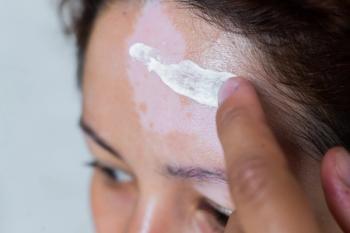
David Rosmarin, MD, presented new and upcoming pipeline updates for the treatment of vitiligo at the Revolutionizing Vitiligo Virtual Conference.

At the 2023 RAD Virtual Conference, Chovatiya presented a session titled, "Living the Cream."

The poster was presented at the 2023 Revolutionizing Atopic Dermatitis (RAD) Virtual Conference.

Christopher Bunick, MD, PhD, presented the research during a late-breaking research session during the 2023 Revolutionizing Atopic Dermatitis Virtual Conference.

Jennifer Etienne shared her experiences during the shared decision-making patient panel of the 2023 Revolutionizing Atopic Dermatitis Virtual Conference.
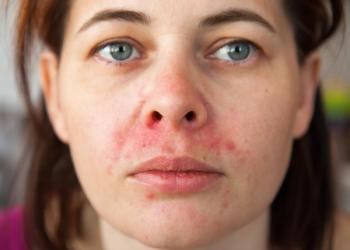
A poster from the 2023 Revolutionizing Atopic Dermatitis Conference revealed a link between AD, impaired oral health, and oral dysbiosis.