

Coding is a major determinant of what dermatologists bill and what they get paid, so it’s critical to keep up with changes to be both compliant and accurate. Mollie MacCormack, M.D., and Murad Alam, M.D. demystify coding conundrums in this article.
Coding is a major determinant of what dermatologists bill and what they get paid, so it’s critical to keep up with changes to be both compliant and accurate. Mollie MacCormack, M.D., and Murad Alam, M.D. demystify coding conundrums in this article.

Audits can be an unfortunate reality of practicing medicine. This expert explains the four main types of audits and offers tips to minimize audit stress.
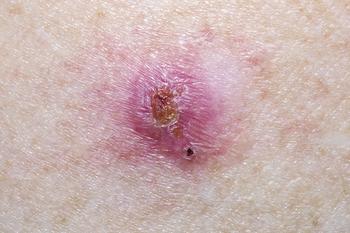
In this pipeline report, Dermatology Times presents insights into Hh pathway inhibitors currently in phase 2 and phase 3 for the treatment of basal cell carcinoma.

Innovative melanoma therapeutics are on the horizon. This pipeline report highlights some of the new drugs currently in phase 2, phase 3 or recently approved for the treatment of melanoma.

Many dermatology practices depend on referrals for a significant portion of annual revenue, and those most successful have a sustainable plan in place. This expert offers eight tips that will help you create a strong referral network.

When a practice becomes negative, patients experience it that way, too. Combat workplace negativity with tips from this leadership expert.

Changes are coming that may affect the practice of dermatology, but dermatologists can help to influence that change by participating in key initiatives. In this article, we highlight the three different initiatives you should have on your radar.

In this follow up to last month’s Innovations column on intellectual property and technology transfer, Raymond A. Miller, J.D., and Steve Xu, M.D., FAAD discuss how to utilize patents to maximize value for your venture.

David J. Goldberg, M.D., J.D., discusses the Family and Medical Leave Act (FMLA) and what you should know to protect yourself and your practice.

What options are available for patients who can’t wear traditional sunscreens? Zoe Diana Draelos, M.D., recommends some alternatives your patients can use to stay protected from the sun in this month’s Cosmetic Conundrums.

Dermatology has more over-the-counter (OTC) drug formulations than many areas of medicine, most of which are covered under drug monographs. Zoe Diana Draelos, M.D., discusses the drug monographs used in dermatology in this article.

What do you say when patients ask about the microbiome, blue light and ‘green’ products? One expert helps separate merit from marketing hype.

Cognitive behavioral therapy (CBT) can successfully treat the physical symptoms of psoriasis and systemic treatment doesn't seem to provide an extra boost to its effectiveness, a new systematic review and meta-analysis finds.

DAXI clinical trials suggest duration as differentiator with Revance’s proprietary peptide technology.

Survey strives to provide a framework for fairly compensating nonphysician aesthetic providers.

Caregivers of children with autism often expect dermatologists to have an understanding of the disorder, but that may not always be the case. Learn how to best navigate clinical situations with this patient population in this article.
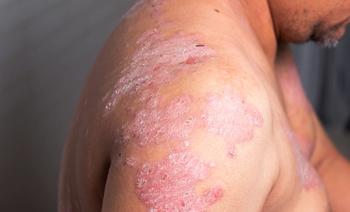
In psoriasis, many therapies offer roughly the same level of care, but that doesn’t mean any patient will respond well to any therapy. According to Mark Lebwohl, M.D., physicians should consider each treatment option in light of a patient's specific comorbidities.
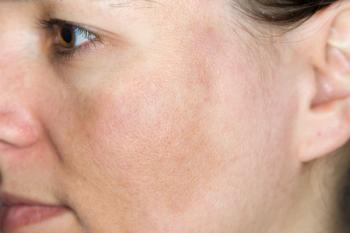
New consensus conclusions are important, because managing acquired macular pigmentation is a new frontier in dermatology. The article defines terminology and notes the primary feature common to macular pigmentation conditions.
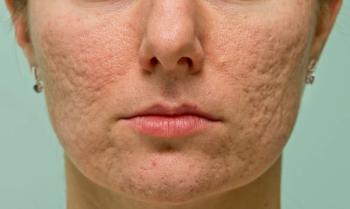
A recent study explores how early inflammation and histological changes are involved in acne scarring by comparing the molecular profiles of acne lesions in patients who are prone to scarring against lesions from patients who are not prone to scarring. Here’s what researchers found.
Superficial radiation therapy is experiencing a renaissance in dermatologic therapy due to the modernized equipment and updated guidelines, as well as excellent treatment outcomes for patients with NMSC which rival those seen with other approaches, including Mohs surgery.

Curbing use of antibiotics to treat acne has been challenging despite updated guidelines supporting limited use and the growing problem of bacterial resistance. But things seem to be changing for the better, says Diane M. Thiboutot, M.D.

Scars caused by acne can be both physical and emotional. Helping patients get the care they need starts with recognizing and addressing psychosocial issues that can be caused by acne, says Jonette E. Keri, M.D., Ph.D.
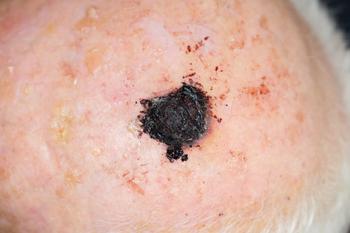
The cutaneous side effects of targeted therapies and immunotherapy for melanoma can complicate treatment and become a burden to patients. Dermatologists must aggressively address these side effects for a more ideal management and better quality of life for their melanoma patients.