


Learn more about the in-depth topics covered in the August 2023 issue of Dermatology Times.
Learn more about the in-depth topics covered in the August 2023 issue of Dermatology Times.

Lauren Miller, MPAS, and T.J. Chao, MPAS, emphasized that clinicians need to be an advocate for patients and take that extra step to educate.

Providers have been eagerly awaiting the approval of VP-102, as molluscum contagiosum accounts for approximately 1% of all diagnosed skin conditions.

Alexandra Golant, MD, and Mona Shahriari, MD, shared pearls regarding the role of nonsteroidal topicals in the treatment of plaque psoriasis.

Cannabis-based personal care products suddenly seem ubiquitous all over the market, where CBD is a featured ingredient in everything from moisturizers and lotions to makeup.

Google Search data analyzed from September 2021 to September 2022 revealed what patients are searching for and the findings may surprise you.

Although rare, clinicians are encountering more pediatric patients who are at an increased risk of skin cancer due to immunosuppression.

David Mandell, JD, MBA, is here to help ensure new and novice clinicians understand the impact of taxes, lifestyle creep, investment plans, and more.

UV exposure or trauma to the skin, such as blistering and ulceration, can lead to changes in skin pigmentation and appearance.

In this month's Legal Eagle, learn what clinicians are required to disclose about their personal health ahead of performing procedures.
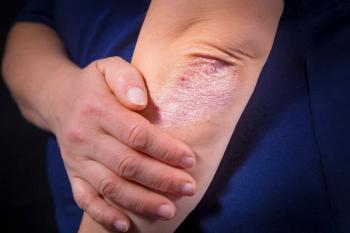
This Psoriasis Awareness Month, Dermatology Times is looking back at the treatment and research landscape of 2023.

As your youngest patients begin the return to the classroom, pediatric dermatologist Latanya Benjamin, MD, FAAD, FAAP, offers perspectives in education and skin care tips.

Dermatology Times Editor in Chief Zoe Diana Draelos, MD, reflects on the importance of dermatology residency programs in cultivating early passion for the specialty.

Back-to-school season is an opportunity for dermatology clinicians to empower pediatric, adolescent, and young adult patients with treatment solutions for diagnoses including acne, atopic dermatitis, and skin cancer.

Five nurse practitioners and physician assistants review patient case presentations and discuss unmet needs in the psoriasis landscape.

Leading atopic dermatitis experts delve into integrative approaches, prescription options, and strategies to encourage patients to stick with their treatment plan.

This week’s collection of the latest dermatologic studies covers benzoyl peroxide gel with oral doxycycline compared to lymecycline, interactions between the aesthetic device industry and dermatologists, nasal soft tissue pliability, and Merkel cell carcinoma in situ with reticulated infundibulocystic proliferation.
Introducing our newest weekly series, the Journal Digest, a collection of trending studies from leading dermatology journals. This week’s first edition covers IVIg treatment for autoimmune bullous dermatoses, body-focused repetitive behaviors, hormonal treatments for HS, dupilumab and skin barrier function, and a 2023 alopecia areata update.

Researchers conducted a subgroup analysis of the ALLEGRO phase 2b/3 clinical trial to evaluate the safety and efficacy of the drug in patients aged 12-17.

As a parent of a child with a vascular anomaly, Kumar has experienced all the emotions of having a child who is born with a skin condition.
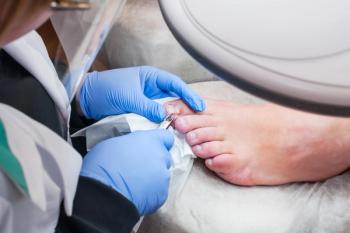
The nail expert from Duke University shares surgical techniques from biopsy to post-operative care.

Sara F. Grace, MD, discussed medications and diseases that dermatologists encounter in treating patients.
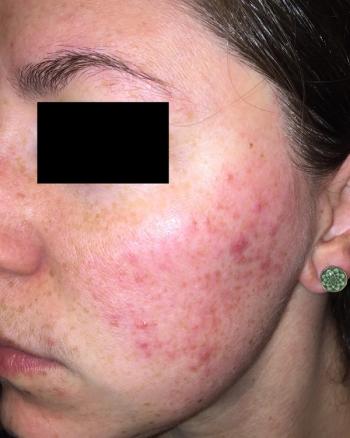
Based on the positive topline phase 3 results, Journey Medical plans to submit a New Drug Application to the FDA in the second half of 2023.
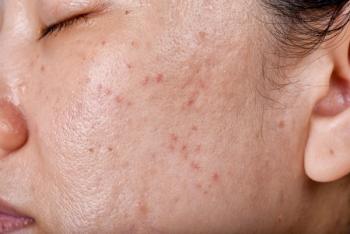
Researchers sought to challenge the perception of microneedling as disruptive to the skin and disease states.

The recent formulation of benzoyl peroxide in a microencapsulated form improves tolerability while reducing lesions in individuals with rosacea.

A poster presented at the SDPA Annual Summer Dermatology Conference revealed the abrocitinib did not have a significant impact on adolescent immune responses to Tdap vaccination.

With bimekizumab, the conservative imputation method led to higher response rates, achieved endpoints, and blocked IL-17A and IL-17F.
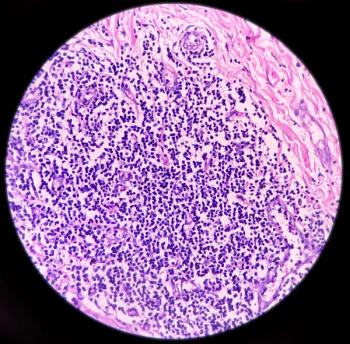
In a Maui Derm NP+PA Summer poster presentation, investigators revealed that treatment with spesolimab resulted in a reduction of lesions.

Over 24 weeks, dupilumab demonstrated efficacy in patients with chronic spontaneous urticaria.