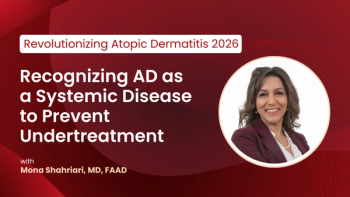
Mona Shahriari, MD, FAAD, urges viewing AD as systemic, guiding earlier personalized systemic therapy while optimizing topicals and shared decision-making

Mona Shahriari, MD, FAAD, is an assistant clinical professor of dermatology at the Yale University School of Medicine, the associate director of clinical trials at CCD Research, and a senior editor for the Journal of Psoriasis and Psoriatic Arthritis. She also serves her local dermatology community as president of the Connecticut Society of Dermatology and Dermatologic Surgery
Mona Shahriari, MD, FAAD, urges viewing AD as systemic, guiding earlier personalized systemic therapy while optimizing topicals and shared decision-making
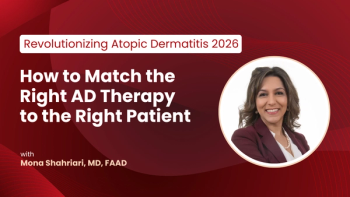
Mona Shahriari, MD, FAAD, shares expert insights on tailoring atopic dermatitis care, from IL‑13 biologics to promising OX40 drugs that may modify disease long term.

At Winter Clinical Miami 2026, Mona Shahriari, MD, revealed a comprehensive roadmap to launch and scale dermatology clinical trials.
At South Beach Symposium 2026, Mona Shahriari explores OX40/OX40L therapies for atopic dermatitis.

A panelist discusses how sustained efficacy, convenience, and safety of new oral therapies could transform pediatric psoriasis care and inform future clinical standards.
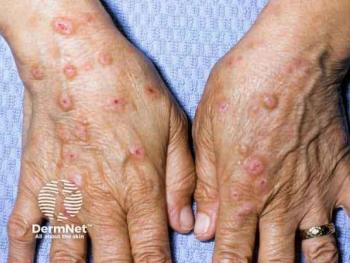
PN is increasingly recognized as a common and severe inflammatory skin disease disproportionately affecting patients with darker skin tones.

Panelists discuss how evolving concerns about long-term topical corticosteroid use are prompting a shift toward safer, nonsteroidal alternatives such as roflumilast, emphasizing structured treatment plans, early patient education, and improved office workflows to support individualized, steroid-sparing psoriasis care that enhances both outcomes and trust.
Panelists discuss how the availability of both roflumilast foam and cream allows for personalized, preference-driven treatment plans that enhance adherence while streamlined access strategies and improved topical efficacy are reshaping the role of nonsteroidal agents in psoriasis care, extending their use beyond mild disease to special sites and even as systemic-sparing options.
Panelists discuss how roflumilast foam, though newly approved for scalp psoriasis, is already showing promise off-label for conditions such as seborrheic dermatitis and nail psoriasis, thanks to its well-tolerated, alcohol- and propylene glycol–free vehicle that improves patient comfort, adherence, and expands topical options for difficult-to-treat areas—potentially reducing reliance on systemic therapies.
Panelists discuss how the recent FDA approval of roflumilast foam for scalp psoriasis represents a significant advancement, combining strong efficacy with a gentle, moisturizing vehicle that enhances tolerability and adherence across diverse hair types and skin tones while offering a steroid-sparing option free from common adverse effects such as hypopigmentation.
Panelists discuss how safety and tolerability are key advantages of newer topical psoriasis treatments such as tapinarof and roflumilast, which avoid many steroid-related risks such as hypothalamic-pituitary-adrenal (HPA) axis suppression and skin thinning, cause minimal irritation, and have favorable real-world profiles that support their use as effective, long-term, steroid-sparing therapies.
Panelists discuss how recent innovations like topical tapinarof and roflumilast are transforming plaque psoriasis treatment by offering nonsteroidal, effective, and well-tolerated options that modulate immune pathways for long-term management while noting the ongoing need for scalp-friendly formulations to improve usability and adherence in patients with scalp involvement.
Panelists discuss how an ideal topical for widespread psoriasis—including scalp and sensitive areas—would be a single, nonsteroidal, well-tolerated agent with steroidlike efficacy, capable of supporting both proactive flare prevention and rapid itch relief while improving adherence, quality of life, and long-term disease control.
Panelists discuss how diagnosing and treating psoriasis in patients with skin of color requires awareness of atypical presentations, hair and cultural considerations, and systemic treatment disparities, highlighting the value of safe, broadly effective, and cosmetically acceptable topicals to support earlier and more equitable care.
Panelists discuss how treating scalp psoriasis remains challenging due to poor compatibility of traditional topicals with hair and scalp characteristics, emphasizing the need for cosmetically acceptable, well-tolerated formulations that improve adherence and reduce premature escalation to systemic therapy.
Panelists discuss how topical therapies remain essential in psoriasis management across all severities, highlighting the need for simplified, steroid-sparing treatment options that are safe, effective, and easy to use—especially to improve adherence and address patient concerns about adverse effects and complexity.

Mona Shahriari, MD, FAAD advocates for improving diversity in clinical imagery and trials to enhance trust in patients with skin of color.
Shahriari highlighted advanced dermatology treatments, clinical trial inclusivity, and key care strategies for complex skin conditions at Fall Clinical 2024.
Mona Shahriari, MD, FAAD, shared insights into prevalence, clinical presentations, increasing research diversity, and advocating for representation.

Mona Shahriari, MD, hosted a Case-Based Roundtable discussion to review 2 challenging cases of atopic dermatitis in patients with skin of color.

Shahriari spoke about the importance of comprehensive care, collaborating with other specialists, and addressing psychosocial impact.
Mona Shahriari, MD, and a plaque psoriasis patient provide insights into the mechanism of action and benefits of tapinarof cream 1% as a nonsteroidal topical.

Mona Shahriari, MD, explores potential areas of research that can contribute to continuous improvement in pediatric atopic dermatitis management.
Mona Shahriari, MD, expands on benefits of ruxolitinib in managing itch and inflammation in pediatric atopic dermatitis.

Shahriari shares pearls and considerations from her sessions at the recent Diversity in Dermatology conference.
A panel of experts discusses tailoring treatment to patient needs, supporting patients' mental health, and considering future directions.
A panel of experts discusses unique needs of patients with skin of color, look at long-term safety and efficacy of emerging oral treatments, and delve into combining topicals with systemic therapies.

A panel of experts discuss navigating regimen complexity, patient-friendly adherence strategies, addressing steroid phobia and attitudes, and dive into current treatment guidelines.
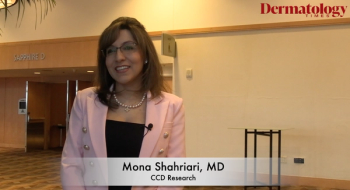
Mona Shahriari, MD, presented real-world data on the efficacy of IL-23 inhibitors for psoriasis, as well as shared her advice from the Bristol Myers Squibb Women’s Connection Forum.
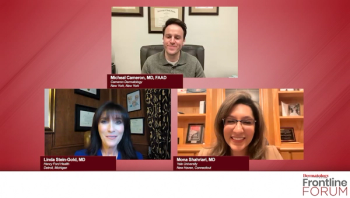
Experts in dermatology delve into patient communication regarding treatment expectations, emphasizing the significance of ongoing follow-up and maintenance practices. They also address the safety, tolerability, and comfortability aspects associated with the use of this novel TYK-2 inhibitor, drawing insights from long-term clinical trial data.
February 7th 2026

February 8th 2025

July 28th 2023