


A recent study found after 6 months, CGF therapy resulted in a sustained increase in terminal hair density without significant adverse events.
Maddi Hebebrand is an associate editor of Dermatology Times and joined the MJH Life Sciences team in May 2024. She attended Baldwin Wallace University, studying Media Production and Film, and received her Masters in Digital Media from Ohio University. When she's not writing, Maddi loves to read, attend concerts and spend time with her family.
A recent study found after 6 months, CGF therapy resulted in a sustained increase in terminal hair density without significant adverse events.
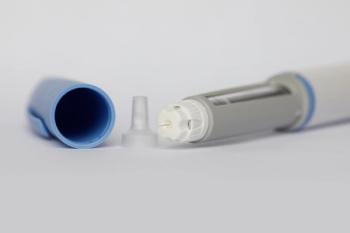
A recent study found prefilled pens with concealed needles showed promise in reducing injection-related anxiety and improving patient adherence.
A recent study confirmed that collagen peptides effectively counteract age-related skin issues such as reduced density and increased dryness.

Researchers identified mistrust, social stigma, and language barriers as major obstacles for ethnic minorities in skin research.
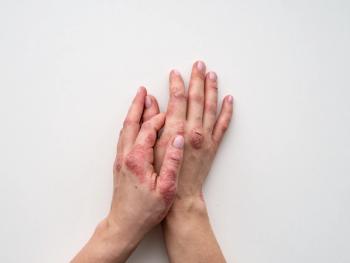
The National Psoriasis Foundation's new report provides an overview of the health impacts of psoriasis, revealing significant issues in care and outcomes.
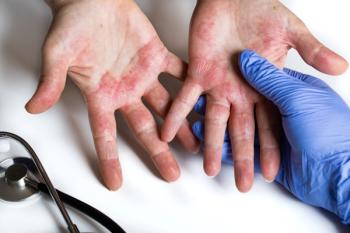
The study found 95.8% of ocular AEs occurred in AD patients, while SA patients reported only 4.2% of these events.

The availability is notable as it introduces the first oral treatment option for young psoriasis patients.

Preliminary data suggests that the exosomes could effectively address common skin concerns, including firmness, photodamage, and fine lines.

Researchers stated the integration of wearable sensors with AI could potentially revolutionize care for patients with atopic dermatitis.
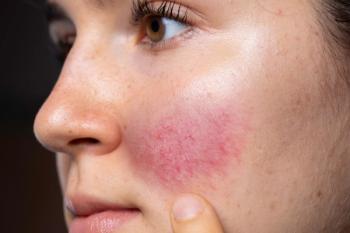
The study found that higher doses of BTX “significantly” improved facial erythema and patient quality of life compared to lower doses.

Although EBDs provided improvements over controls, they did not match the sebum reduction levels achieved by isotretinoin or hormonal therapies.

Despite high accuracy scores, the study found AI models often produce overly complex explanations, making them less effective for patient education.
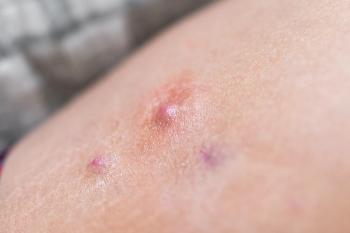
The trial revealed that 40% of patients on izokibep achieved HiSCR75 by week 16, a notable improvement over the 20% on placebo.

Researchers suggested that itch control is key in reducing disease burden and improving life quality for patients with psoriasis and atopic dermatitis.

The study found 277 differentially expressed genes shared by RA and rosacea, opening up opportunities for treatment research.

A recent Australian study reviewed appropriate terminology, gender affirming options, and dermatological considerations in caring for gender-diverse patients.

Researchers linked higher exposure to natural environments and green spaces with an increased risk of developing psoriasis.

Researchers emphasized the need for improved reliability and regulatory frameworks for AI tools before they are integrated into dermatological practice.

Follow-up results showed that 6 out of 9 patients achieved HiSCR at 3 months, with 5 maintaining this response at 6 months.

Both 8-week and 16-week dosing intervals of guselkumab achieved similar clinical outcomes and patient-reported responses in the GUIDE trial.

A group of international experts focused on the technology’s potential to standardize and enhance patient assessments.

The 15-piece questionnaire is designed to be quick and easy to use during consultations, with particular benefits across numerous specialties.
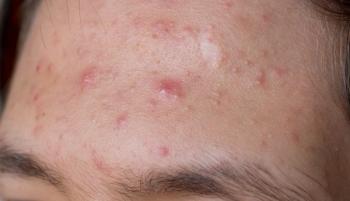
A recent study revealed that CO2 fractional laser was significantly more effective than microneedling for acne treatment with ALA-PDT.

Participants experienced improvements with both glove types, though cotton gloves were generally preferred for comfort and Sympatex for tactile sensitivity.

A review of 43 studies found that systemic treatments generally provide greater reductions in rosacea ILs compared to topical therapies.
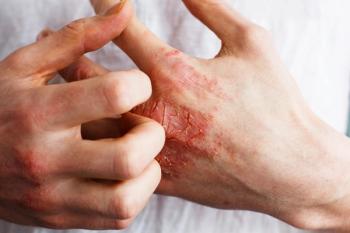
Researchers suggested that early intervention with less than 2 years of disease duration was associated with a lower risk of relapse.

Researchers stated the drug could avoid the need for additional immunosuppressive treatments associated with increased morbidity and mortality.
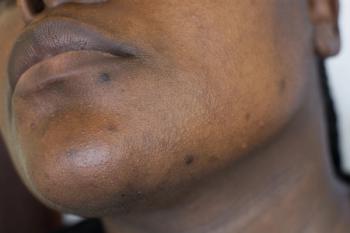
PIH, more prominent in darker skin types, often leads to significant psychosocial distress and reduced quality of life.

A recent review called for gender-specific studies to enhance dermatological treatments and potentially revise guidelines.

Researchers noted how historical bias in dermatology research has impacted the understanding and treatment of conditions in darker skin.