

In this table, we highlight how psoriasis treatments have evolved over the past four decades.
In this table, we highlight how psoriasis treatments have evolved over the past four decades.

Some chemicals in over-the-counter sunscreens may impair marine life, says the National Ocean Service. As a result, they are recommending people choose sunscreens without these chemicals ingredients.


Crisaborole ointment, 2%, (Eucrisa, Pfizer) appears to be safe and effective in children aged three months to less than 24 months who have mild-to-moderate atopic dermatitis, according to results of a phase 4 trial released yesterday.

Ortho Dermatologics announced that halobetasol propionate and tazarotene lotion, 0.01%/0.045% (Duobrii, Ortho Dermatologics) is now commercially available to healthcare providers, according to a press release issued June 25.

New muscle-toning technology treats abdomen, buttocks, thighs.

Because a patient’s atopic dermatitis may also have a profound effect on parental caregivers, clinicians should seek to make an assessment of parental emotional and psychosocial well-being, and offer patient educational materials to help bring awareness to the issue.

Earlier this year, Galderma announced a new multi-disciplinary group of advisory members that compose The Women in Aesthetics Leadership Council. In this article, Dermatology Times acknowledges and congratulates the women on the advisory board who fall under the dermatology specialty.
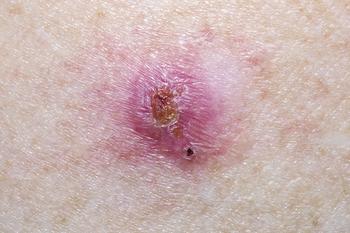
Are your patients are looking for alternatives to surgery for non-melanoma skin cancer? Superficial radiation therapy (SRT) may be the answer.

Young African American patients with psoriasis are at a higher risk of atherosclerotic cardiovascular disease (ASCVD) and traditional cardiovascular risk factors than white patients with psoriasis of the same age group, says a recent study.
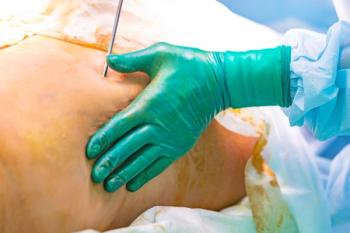
Laser-based procedure for autologous fat transfer may increase fat survival.

Dr. Zoe Draelos, M.D., offered skin care guidance at 2019 AAD for what to eat and how to supplement in her presentation, “Nutraceuticals: Is it Possible to Eat Your Way to Skin Health?” This is what she had to say.

Hosted by Dermatology Times and supported by Ortho Dermatologics, the hall of fame honored its inaugural class of inductees at the Long View Gallery in Washington, D.C., just before the 2019 American Academy of Dermatology Annual Meeting.

PricewaterhouseCoopers believes 2019 is the year a New Health Economy comes of age, according to its 13th annual report, "Top health industry issues of 2019." View the top six takeaways from the report in this slideshow.

New data related to consumer satisfaction trends soon to be released by RealSelf reveals the “Most Worth It” procedures for 2019.

Revance Therapeutics announced in early December that its longacting neuromodulator daxibotulinumtoxinA for Injection RT002 delivered positive results in a phase 3 study for treatment of moderate-to-severe glabellar lines.

Burt's Bees skin care products may be a effective as an adjunct to prescription therapy in the management of rosacea, according to data published in the February issue of Journal of Drugs in Dermatology which was reported at the American Academy of Dermatology Annual Meeting this month.

How was the 2019 Dermatology Hall of Fame Executive Board appointed? Find out in this article.

In this table, we highlight frequently asked questions about the staging, treatment and surveillance of early-stage melanoma.

The Dermatology Hall of Fame was established to formally honor the memory and contributions of individual physicians and the revolutionary ideas that have refined the practice of dermatology and continue to inspire, inform and improve treatment. Learn more in this article.

Mindful of all dermatology specialty areas, the Dermatology Hall of Fame nomination process is guided by specific categories and criteria, which we've detailed in this article.
A recent survey asks dermatologists who treat patients with moderate to severe psoriasis about the greatest unmet needs of this patient group. Here's what physicians had to say.

The Food and Drug Administration(FDA) approved in December a new drug application for Tolsura (SUBA-itraconazole), a new formulation of itraconazole for the treatment of systemic fungal infections in adults.

Novel therapeutic recently completed phase three CAMP-1 and CAMP-2 pivotal trials, demonstrating statistically significant improvements in patients with molluscum contagiosum.

The FDA has approved STP705, an siRNA (small interfering RNA) therapeutic for in situ Squamous Cell Carcinoma Nonmelanoma Skin Cancer (NMSC), to proceed with phase two clinical trials.

Vyome Therapeutics Inc. announced in January that it secured $22 million in financing to, in part, support the development of its lead molecule, VB 1953, through phase two clinical trials for moderate to severe acne.

This week the Dermatology Hall of Fame announced its plan to recognize its inductees in Washington, D.C. on February 28, 2019.

In this table, we highlight some of the forthcoming changes to the Medicare Physician Fee Schedule (PFS) from the Centers for Medicare & Medicaid Services (CMS).

In this article, we take a look at the future of dermatology, including the rise of medical devices and drug costs.
The FDA has reversed a long-standing guidance stating that sponsors of clinical trials for atopic dermatitis (AD) in pediatrics need not start the trial in adults first. Here's what you need to know.