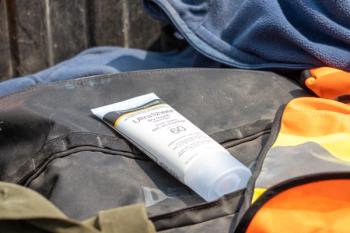
Two new Neutrogena facial sunscreens incorporate bemotrizinol, the first new sunscreen active ingredient added to the US OTC monograph in decades.
Explore the top headlines of the week, including insights on the latest clinical trials, therapeutic updates, and more.
To stay up to date with the latest dermatology news, sign up to receive our
The FDA has approved remibrutinib (Rhapsido; Novartis), the first oral Bruton’s tyrosine kinase inhibitor (BTKi) for adults with chronic spontaneous urticaria (CSU) who remain symptomatic despite H1-antihistamines, marking a major advance in care. Approval was supported by the phase 3 REMIX-1 and REMIX-2 trials, which showed rapid and sustained improvements in itch, hives, and overall disease activity, with some patients achieving complete symptom resolution by week 12. Offering a convenient oral option beyond antihistamines and injectable biologics, remibrutinib demonstrated a favorable safety profile and requires no lab monitoring, while ongoing studies are exploring its potential in other immune-mediated conditions.
At
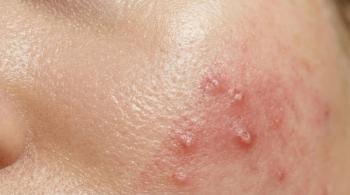
MoonLake Immunotherapeutics has reported week 16 interim data from its phase 3 VELA-1 and VELA-2 trials of the investigational nanobody sonelokimab in adults with moderate to severe hidradenitis suppurativa (HS), the first phase 3 dataset to use the stringent HiSCR75 endpoint. Across 838 patients, sonelokimab significantly outperformed placebo (35.4% vs 21.6%, p<0.001) with consistent improvements in lesion counts, pain, and quality of life, and benefits seen as early as week 4. VELA-1 met its primary endpoint under both analytic strategies, while VELA-2 narrowly missed significance under the composite strategy due to a high placebo response. Safety was manageable, with no new concerns. Although the disclosure triggered a sharp drop in MoonLake’s stock and a shareholder investigation, the results suggest IL-17A/F inhibition may be a promising strategy for HS, with longer-term outcomes and regulatory review still to come.
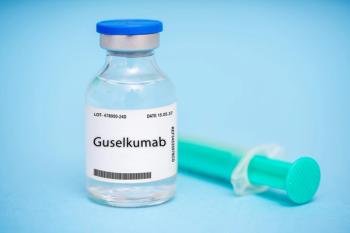
The FDA has approved guselkumab (Tremfya; Johnson & Johnson) for children aged 6 years and older with moderate to severe plaque psoriasis or active psoriatic arthritis, making it the first IL-23 inhibitor available for these pediatric conditions. Supported by the PROTOSTAR trial, guselkumab showed strong efficacy, with over half of patients achieving near-complete skin clearance by week 16. Experts emphasized this approval as a major advance, addressing important unmet needs for thousands of children affected each year and offering a safe, effective therapy with infrequent dosing every 8 weeks.
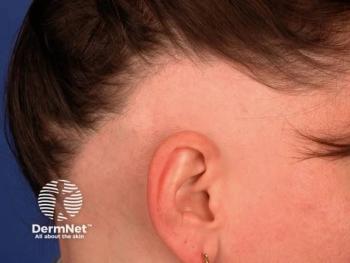
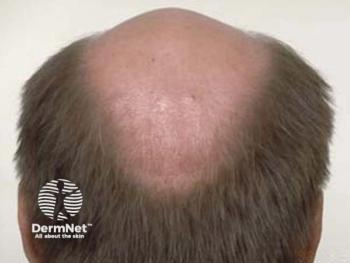
At the Maui Derm NP+PA Fall Conference, Jerry Shapiro, MD, of NYU Langone, shared his structured approach to diagnosing and managing hair loss, with a focus on scarring alopecia, which causes permanent follicular destruction and requires early intervention. He emphasized detailed evaluation using history, dermoscopy, and classification by inflammatory type, with treatments ranging from intralesional steroids and compounded topicals to low-dose doxycycline, pioglitazone, low-dose naltrexone, and emerging JAK inhibitors. For female pattern hair loss, Shapiro highlighted combining low-dose oral minoxidil with anti-androgens, while also reviewing PRP (with maintenance every 6 to 9 months if effective), the limited utility of dutasteride mesotherapy, and early promise of exosomes and FDA-cleared non-ablative lasers. He outlined a stepwise algorithm progressing from medical therapy to PRP, transplantation, or prostheses depending on severity. Shapiro stressed early diagnosis, personalized regimens, and patient education as central to improving outcomes across hair disorders.