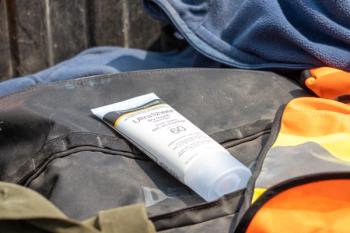
Two new Neutrogena facial sunscreens incorporate bemotrizinol, the first new sunscreen active ingredient added to the US OTC monograph in decades.
Explore the top headlines of the week, including insights on the latest clinical trials, therapeutic updates, and more.
To stay up to date with the latest dermatology news, sign up to receive our
At the
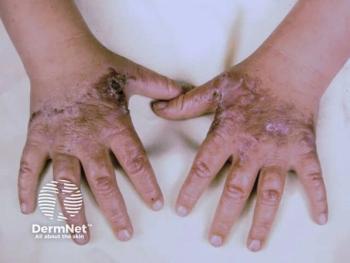
A new case report highlights the potential of upadacitinib (Rinvoq; AbbVie), a selective JAK1 inhibitor, as an effective therapy for treatment-refractory lichen amyloidosis (LA). The patient, who had failed multiple standard therapies and achieved only modest relief with dupilumab (Dupixent), experienced rapid and near-complete remission after starting upadacitinib—reporting significant itch reduction within a month and almost full skin clearance by 6 months. The case underscores the possible superiority of JAK inhibition over IL-4/IL-13 blockade in suppressing IL-31–driven pruritus and suggests that targeting the JAK-STAT pathway may represent a promising new therapeutic approach for this chronic, difficult-to-treat condition.
In a humorous yet insightful commentary, Hershel Dobkin, MD, FAAD reflects on the common anxiety men face when discovering bumps or lesions in the genital area, and the frequent, reassuring outcome that “It’s not genital warts.” Drawing inspiration from House, MD’s famous line “It’s not Lupus,” Dr. Dobkin highlights how dermatologists often serve as both clinicians and comforters, helping patients overcome embarrassment to address skin concerns openly. He explains that many benign conditions, such as pearly penile papules, Tyson’s glands, skin tags, and angiokeratomas of Fordyce, are routinely mistaken for genital warts. The piece underscores the importance of professional evaluation, empathy, and normalization in dermatologic care, reminding patients that for dermatologists, “it’s all skin.”
At the
The US FDA has issued a safety communication warning clinicians and patients of serious complications linked to radiofrequency (RF) microneedling devices, which are increasingly used for skin rejuvenation, acne scarring, and tightening. Reported adverse events include burns, scarring, subcutaneous fat loss, nerve injury, and disfigurement, often associated with improper device use or insufficient operator training. Experts Kachiu Lee, MD, and Zoe Diana Draelos, MD, emphasized that RF microneedling is a medical procedure, not a cosmetic treatment, and should only be performed by trained dermatologists using FDA-cleared devices. The FDA urges clinicians to monitor patients carefully, report complications via MedWatch, and ensure informed patient consent regarding risks such as contour irregularities and pigmentary changes. Ongoing investigations may lead to updated labeling, training requirements, and enhanced post-market safety oversight.