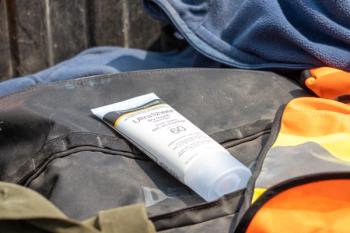
Two new Neutrogena facial sunscreens incorporate bemotrizinol, the first new sunscreen active ingredient added to the US OTC monograph in decades.
In case you missed it, this week we had news about phase 2b enrollment for VYNE’s vitiligo gel, the impact of anti-inflammatory moisturizers for AD, the newly FDA-approved DermiSphere hDRT, and more.
To stay up-to-date with the latest dermatology news, sign up to receive our
The FDA recently proposed a new rule requiring standardized asbestos testing in talc-containing cosmetics to protect consumers from potential harm.
More improved skin hydration and barrier function was observed in moisturizers with anti-inflammatory ingredients, compared to those without.
The results showed promising improvements in all endpoints with high patient satisfaction and no safety concerns.
Repibresib’s localized delivery minimizes systemic exposure while targeting inflammatory pathways, a novel approach for vitiligo management.
Share your insights and anticipation with us.
The HA filler with tri-hyal technology reduced wrinkles on the forehead, upper lip, cheek folds, and crow’s feet for up to 18 months.
Christopher Bunick, MD, PhD, is an associate professor of dermatology and physician-scientist at Yale School of Medicine in New Haven, Connecticut.
With further research, plants such as licorice, tomato, and parsley, could eventually be promising alternatives for melasma patients.
By addressing skin health proactively, runners can enhance performance and longevity in the sport while minimizing discomfort and long-term dermatological damage.
Explore systemic psoriasis management, covering obesity, depression, biologics, and innovative treatment approaches.
The stable preparation combined vitamin C and hyaluronic acid with complexed ubiquinone in this initial study.
While zinc deficiency shows strong ties to SD, researchers stated vitamin D's role is less clear and may depend on genetic factors.
A Finnish review highlights imprecise use of L23.8 and L23.9 codes for allergic contact dermatitis, impacting data accuracy and patient care.
Experts explore innovative therapies, psychosocial impacts, and education strategies for managing atopic dermatitis in a Dermatology Times video series.
Palvella begins its phase 2 TOIVA trial of Qtorin rapamycin gel for cutaneous venous malformations, targeting the mTOR pathway.
The synergistic approach reduced submental fullness, enhanced mandible line definition, and improved chin projection.
The innovative technology is unlocking new possibilities in dermatology by improving the solubility and permeability of drugs for topical use.
Designed to mimic natural tissue scaffolds, DermiSpherehDRT offers innovative support for cellular infiltration and healing in reconstructive surgery.
The company is currently recruiting participants to demonstrate the benefits of its BioREtain technology.
UVF dermoscopy enhances scabies detection, especially in dark skin, with optimal results when combined with polarized light examination.
Mitragotri said new innovations like ionic liquid-based delivery systems can offer better treatment for immunodermatological conditions.
A recent systemic review found FRM to be an effective treatment modality on its own for managing facial acne scars.
DFD-29, FDA-approved in 2024, revolutionizes rosacea management by addressing both erythema and inflammatory lesions with a novel extended-release formulation.
The 5% dosage showed a 6-fold increase in non-vellus hair count after just 5 weeks.
A study revealed ruxolitinib cream's rapid, lasting benefits in pediatric eczema without systemic safety concerns over a 52-week trial period.
The recommendations place an emphasis on the utility of ultrasound-guided placement to enhance safety.
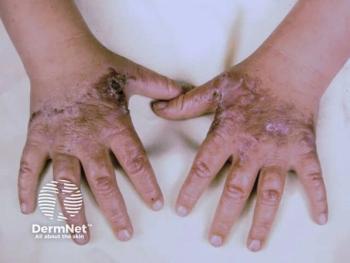
Chronic hand eczema poses diagnostic and treatment challenges due to its multifaceted etiology. New therapies like JAK inhibitors offer hope.
Post treatment discontinuation, most centers conduct imaging every 3 months during the first year of remission.
Rezpegaldesleukin, a novel IL-2 receptor agonist, enters phase 2b evaluation for atopic dermatitis, aiming to advance therapeutic options for this chronic condition.
Patients saw an average clearance rate of 74.46% after just 1 session of laser therapy.
Advancements in therapeutic agents demand innovative strategies for safe, localized skin treatments, Mitragotri argues.
93.4% of patients saw a positive change in the appearance of forehead wrinkles after 8 weeks of use.
At the inaugural Horizons in Advanced Practice meeting, Lakshi Aldredge, MSN, ANP-BC, reviewed complex cases on AD and PsO and the role of PAs and NPs in advancing patient care.
Explore the top headlines of the week including clinical trial updates, FDA announcements, and expert insights.