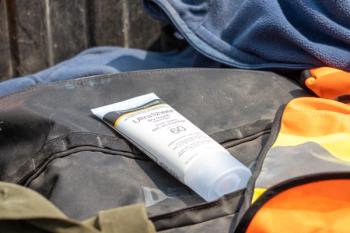
Two new Neutrogena facial sunscreens incorporate bemotrizinol, the first new sunscreen active ingredient added to the US OTC monograph in decades.
In case you missed it, this week we had news about the link between psoriasis and dementia, the future of urticaria treatment, VP-315's positive results in basal cell carcinoma, and more.
To stay up-to-date with the latest dermatology news, sign up to receive our
Hawkes combines personal experience and clinical expertise to treat urticaria patients.
In a real-world study, 10 children with generalized pustular psoriasis saw sustained improvements up to 160 weeks.
Noor emphasizes that patient access is the primary consideration when deciding to use the buy-and-bill model.
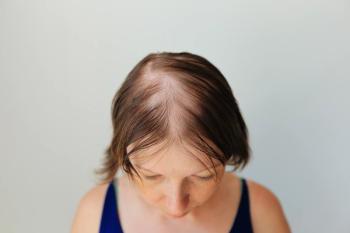
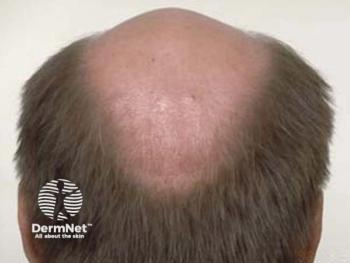
When compared to the placebo, hair growth and quality significantly improved by day 180.
Share your thoughts and help shape our content by telling us what topics you want to see more of this year.
A recent study found chronic inflammation in psoriasis may contribute to cognitive decline.
Three posters supporting VP-315's treatment efficacy and outcomes were presented at the Winter Clinical Miami conference.
Fast-acting therapies like remibrutinib bring new hope to patients with chronic urticaria who don’t respond to antihistamines.
Ellacor 2.0 offers advanced micro-coring technology, streamlined protocols, and faster results for non-surgical skin rejuvenation.
Although HA and other methods are safe, more reliable data is needed to determine which is most effective.
Patients saw notable improvements in skin hydration, firmness, elasticity, and radiance after 4 and 12 weeks.
Cytrellis' new president and CEO discusses bridging surgery and innovation in aesthetics.
Jason Hawkes, MD, MS, discusses unmet needs in chronic urticaria care and challenges outdated testing practices.
Researchers found the combination therapy significantly reduced rosacea severity, with 64% achieving mild or normal status in just 4 weeks.
Researchers analyzed stratum corneum hydration and transepidermal water loss across 15 regions of the skin.
These efficacy results and safety profile confirm what was observed in phase 1 study.
Renata Block, MMS, PA-C, and Erica Ramos, PA-C, discuss the complexities of developing an over-the-counter hair product.
Adam Friedman, MD, FAAD, takes a closer look at the emerging landscape of oral treatments for hyperhidrosis and what lies ahead in advancing patient care.
Attovia is also advancing 4 ATTOBODY-based programs for inflammatory conditions, such as atopic dermatitis and IBD.
In his presentation at Winter Clinical Miami, Del Rosso covered new and emerging therapies as well as successful off-label uses.
AP31, a novel micropeptide, delivers anti-aging and anti-inflammatory benefits, improving skin firmness, lifting, and reducing wrinkles.
According to a phase 3 study, the omalizumab biosimilar saw comparable results with a good safety profile.
Combining synchronized radiofrequency with high intensity facial electrical stimulation led to firmer, smoother, and more lifted skin.
At the Horizons in Advanced Practice meeting, Omar Noor, MD, FAAD, presented a case of a man aged 70 years with a 20-year history of psoriasis who was previously treated with adalimumab.
Understanding urticaria subtypes, from spontaneous to inducible, is key to crafting patient-specific management plans.
Personalized care is key to managing hyperhidrosis, blending therapies, addressing adverse effects, and empowering patients with tailored solutions.
QRX003 mimics the LEKTI protein to strengthen skin barriers and alleviate symptoms in patients with Netherton Syndrome.
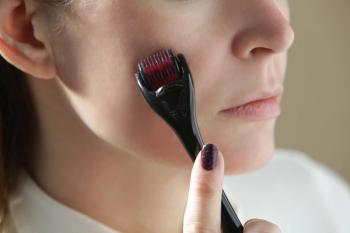
Compared to minoxidil alone, the combination therapy saw no significant differences in hair count and diameter.
George Washington University recently earned a Skin Smart Campus designation, championing skin cancer prevention through education, free sunscreen, and UV safety measures.
More luminous skin with reduced fine lines and hyperpigmentation was seen as early as 2 weeks.