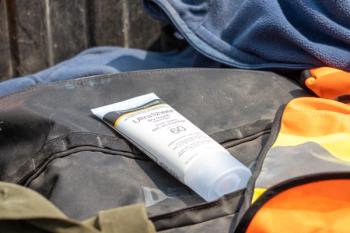
Two new Neutrogena facial sunscreens incorporate bemotrizinol, the first new sunscreen active ingredient added to the US OTC monograph in decades.
In case you missed it, this week we had news about AIs and CNNs for early melanoma detection, OCT Technology for vitiligo imaging, UCB’s 320mg single-injection bimekizumab, and more.
To stay up-to-date with the latest dermatology news, sign up to receive our
A study found that UK adults living with psoriasis and vitiligo were better able to self-manage the psychological implications of their condition.
Researchers are advancing inclusive trials through ancestry-specific endpoints, focusing on skin tone variability, melanin's role, and precision drug modeling.
Data augmentation techniques like cropping and blurring allow AI models to overcome limited datasets, improving skin cancer detection rates.
A 25-day BioLab study revealed their protein-rich wound gel outpaces alternatives, setting the stage for clinical trials.
The new partnership will advance the commercialization of small molecule oral STAT6 for patients around the world.
Shanna Miranti, MPAS, PA-C, discusses the Umary hyaluronic acid tablets that were recalled in fall 2024.
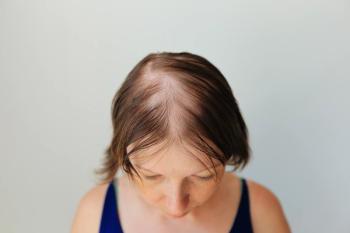
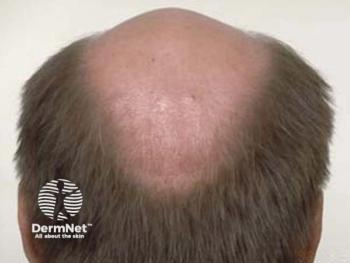
Jon Edelson, MD, CEO of Eirion, confirms that topical ET-02 is a completely new approach to treating this type of hair loss
A case study explores a rare overlap of hidradenitis suppurativa and porokeratosis, highlighting unique histopathology and complications.
Balancing ethics, aesthetics, and patient expectations is crucial in dermatology to ensure safe, responsible, and ethical care.
Cemiplimab demonstrated a 68% reduction in recurrence risk for high-risk CSCC in the phase 3 C-POST trial, according to Regeneron’s latest findings.
Disease severity improved from severe to mild after just 6 weeks of twice daily dosage.
Soligenix recently shared interim results from a 12-month investigator-initiated study of synthetic hypericin.
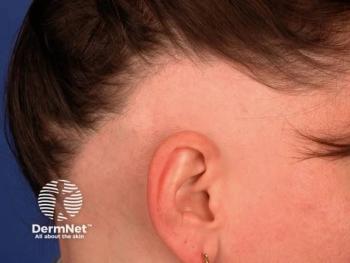
The analysis findings support the potential use of zinc and vitamin D supplementation in managing alopecia areata.
“As good as we saw results in 1 month, we think we'll see even more remarkable results over the 6 months of treatment,” Edelson said in an interview with Dermatology Times.
Renata Block, MMS, PA-C, interviewed Erica Ramos, PA-C, the founder of RestoraScalp medicated dry shampoo.
Although more evidence is needed, CNNs could potentially be most effective in diagnosing patients with vitiligo.
Explore the role of immunohistochemical stains in enhancing diagnostic accuracy during Mohs surgery, aiding treatment of challenging skin cancers.
CD19 CAR T-cell therapy may modulate immune dysregulation in underlying diseases such as psoriasis.
Investigators found strong correlations between certain eating habits, BMI, psychoemotional status, and SD occurrence.
Effective PsA management requires balancing clinical goals with patient-reported challenges like fatigue and daily disruptions.
Researchers found emotional resilience can mitigate acne's psychological and social challenges.
Emerging noninvasive imaging technologies, particularly optical coherence tomography, offer a revolutionary approach to monitoring vitiligo treatment responses.
Researchers found patients with conditions like asthma or dermatitis are more likely to develop early, severe, and prolonged forms of alopecia areata.
Discover financial strategies and side hustle tips for employed dermatologists to maximize benefits, build retirement wealth, and achieve career success.
The new dosing option offers convenience for those managing plaque psoriasis, PsA, and hidradenitis suppurativa.
At the inaugural Horizons in Advanced Practice meeting, Douglas DiRuggiero, DMSc, MHS, PA-C, discussed how NPs and PAs can advance their professional growth by seizing opportunities to share their clinical experiences.
Patients saw a 15.8% significant decrease in Post Acne Hyperpigmentation Index score after just 84 days.
The use of a pre-gel and cleansing lotion regimen saw an improvement rate of 80% for patients with seborrheic dermatitis.
Explore TikTok hair trends like Jell-O coloring, balayage, ombré, and digital perms, explained by expert Zoe Diana Draelos, MD.
According to a systemic review, both topical and oral antifungal therapies are insufficient for managing the disease.
Mitragotri's work bridges advanced drug development and skin care for tailored treatments.
A recent study evaluated the efficacy of low-energy delicate pulsed light photomodulation for treating sensitive skin, showing significant improvements in symptoms and erythema.
The addition of a dermocosmetic cleanser and moisturizer also lessened the adverse events commonly associated with retinoid use.