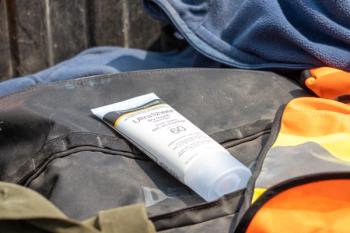
Two new Neutrogena facial sunscreens incorporate bemotrizinol, the first new sunscreen active ingredient added to the US OTC monograph in decades.
In case you missed it, this week we had news about the FDA-approval of Yesintek for psoriasis treatment, APG777 clinical trial updates, our inaugural Horizons in Advanced Practice meeting, and more.
To stay up-to-date with the latest dermatology news, sign up to receive our
Dermatology Times asked our readers to share what conferences they are looking forward to in the fourth quarter of 2024.
A clinical trial and laboratory study assessed skin’s hydration, antioxidation, and wrinkle presence after treatment with cacao.
Read more about acne treatment tips shared at the 2024 SDPA Fall Conference by experts such as Shanna Miranti, MPAS, PA-C, and Hilary Baldwin, MD.
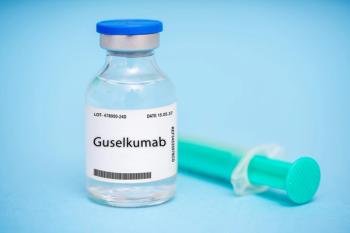
If granted, guselkumab will be approved to treat children ages 6 and younger with severe plaque psoriasis and children ages 5 and younger with juvenile psoriatic arthritis.
Regenerative methods such as cell therapy and platelet-rich plasma showed promising results in patient repigmentation.
Treatment with delgocitinib led to a significant decrease in the expression of inflammatory markers that were elevated in severe cases compared with mild cases at baseline.
LOV has unique clinical traits, epidemiology, and treatment responses compared to early-onset vitiligo, underscoring the need for a tailored management approach.
Explore key insights and innovations in vitiligo from 2024, from treatment advances to patient-focused strategies.
Promising new data was released along with a timeline of upcoming studies evaluating potential combination therapies for atopic dermatitis.
The FDA recently approved Yesintek for treating psoriasis, psoriatic arthritis, and IBD, with a 2025 launch expected.
Researchers found patients treated with risankizumab had higher rates of skin clearance and greater improvement than those treated with deucravacitinib.
The exclusive event brought together physician assistants and nurse practitioners from across the country to review atopic dermatitis and psoriasis patient cases.
Diarrhea, nausea, and headache were the most frequently reported adverse events in psoriasis patients.
Investigating podiatry students' diagnostic accuracy and reasoning for dermatological lesions across skin tones using a mixed-method research approach.
Although all observed treatments showed efficacy, the 30 mg dosage of upadacitinib was most successful in relieving itch for atopic dermatitis patients.
Researchers found integrating dermatologists into primary care reduces costs and improves diagnostic precision for skin conditions.
Dena Antowan shares her journey balancing pre-med life, managing HS, advocating on TikTok, and her vision for empathetic dermatologic care.
The algorithm demonstrated 81% accuracy, promising fast, reliable, and reproducible assessments for patients.
A study using proteome-wide association techniques identified novel protein biomarkers for atopic dermatitis.
Researchers stated that therapy represents a “valuable nonpharmacological intervention that offers an innovative therapeutic alternative” for acne treatment.
Researchers found patients reporting greater disease burden and lower HRQoL are more likely to switch to biologic therapies, regardless of clinician-rated disease severity.
Certain dermoscopic features in cutaneous warts may be associated with a favorable cryotherapy response.