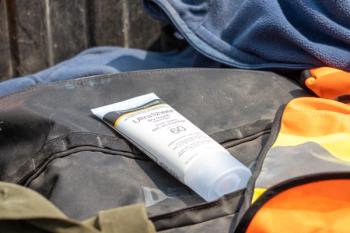
Two new Neutrogena facial sunscreens incorporate bemotrizinol, the first new sunscreen active ingredient added to the US OTC monograph in decades.
In case you missed it, this week we had news about the first FDA-approved gene therapy for RDEB, the influence of psoriasis on sun tanning addiction, and resources for Rosacea Awareness Month.
To stay up-to-date with the latest dermatology news, sign up to receive our
A new study reveals ongoing burden of moderate to severe atopic dermatitis in youth, with flares, comorbidities, and quality of life impacts.
A new study reveals a significant link between acne prevalence and high BMI in Sudanese adolescents, highlighting gender differences and the need for further research.
The groundbreaking GLPSGLT serum enhances skin quality for GLP-1 RA users, improving elasticity and reducing wrinkles in just 6 weeks.
Learn more about the in-depth topics covered in the April 2025 print issue of Dermatology Times.
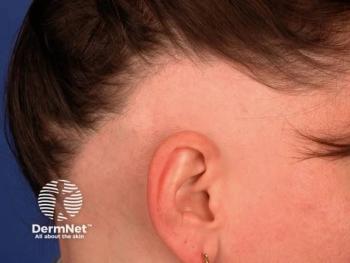
JAK inhibitors show promise in treating alopecia areata among Black patients, highlighting the need for inclusive clinical research and equitable access to therapies.
The FDA approved pz-cel, a groundbreaking gene therapy for recessive dystrophic epidermolysis bullosa, transforming treatment options for patients.
The innovative 21-item Hair & Scalp CARE questionnaire is designed to evaluate the psychological impact of hair and scalp conditions on quality of life.
Dermatology Times is recapping our exclusive expert interviews from the month of April.
Younger patients with moderate to severe psoriasis exhibit risky sun exposure behaviors, raising concerns about tanning addiction and skin cancer risks.
This review of the latest dermatologic studies includes insights into the environmental impact of dermatology, submicrobial dosing of antibiotics in dermatology, and more.
Explore the top headlines of the week including insights on recalls, expert pearls, and more.
Dermatology Times is looking back on the top stories in dermatology from the month of April.
Explore the latest insights, strategies, and treatments for patients with rosacea as Dermatology Times looks back on Rosacea Awareness Month.
New research reveals JAK inhibitors for atopic dermatitis do not increase cardiovascular or cancer risks compared to IL-4/-13 inhibitors, offering reassurance for patients.
The development of bempikibart offers hope for effective treatment of severe alopecia areata amid unmet medical needs.
In a recent Dermatology Times Case-Based Roundtable event, Lisa Swanson, MD, discussed 3 diverse atopic dermatitis patient cases.
Dermatology Times has compiled a list of dermatological meetings taking place during the month of May.
Acoustic stimulation using infrasound and low-frequency sound enhances wound healing, promoting cellular activity and tissue repair in innovative, non-invasive ways.
A new study reveals the effectiveness of two isotretinoin doses for treating recalcitrant facial flat warts, enhancing quality of life and reducing anxiety.
The social media campaign aims to educate, inspire prevention, and support actinic keratosis awareness leading up to Global AK Awareness Day on May 24.
A study reveals that combining botulinum toxin A and hyaluronic acid significantly reduces acne-related enlarged pores, enhancing skin texture and patient satisfaction.
Explore the urgent need for sustainability in dermatology, addressing its environmental impact and advocating for eco-friendly practices in health care.
New findings reveal DecisionDx-Melanoma more accurately identifies patients with under 5% risk of SLN positivity, supporting safer avoidance of SLNB surgery.
Stage IV melanoma survivors face persistent adverse effects and distress, highlighting the need for targeted psychological support and care.
Guselkumab shows high effectiveness and safety in treating moderate to severe plaque psoriasis, enhancing quality of life in real-world Korean patients.
Collagen structure and vessel density vary by photoaging type, highlighting the value of multimodal imaging in guiding individualized skin care strategies.
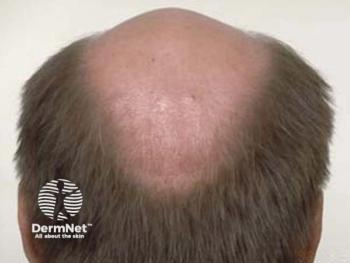
A novel electrotrichogenic device shows promising results in promoting dense, thickened hair growth for male androgenetic alopecia patients.
Patients with mucous membrane pemphigoid face increased skin cancer risks, particularly squamous cell carcinoma, highlighting the need for vigilant screening.