


Opinion|Videos|November 20, 2025
The Teenage Competitive Swimmer: Moderate Inflammatory Acne
Author(s)Hilary Baldwin, MD
Hilary Baldwin, MD, introduces the series and reviews acne pathogenesis, mechanisms of topical therapies, and key barriers to adherence in everyday practice.
Advertisement
Episodes in this series

This case-based peer discussion begins with a review of acne pathogenesis and topical therapy mechanisms, focusing on retinoids, benzoyl peroxide, and anti-androgen agents like clascoterone. Hilary Baldwin, MD, outlines how modern topical regimens target multiple pathways—comedogenesis, inflammation, bacterial overgrowth, and sebum production—while maintaining patient comfort. The opening section emphasizes the need to educate patients about irritation, dryness, and consistency, which are pivotal for success, especially in younger demographics who often struggle with adherence.
In Case 1, a 15-year-old female patient with moderate comedonal acne receives a stepwise regimen including tretinoin and benzoyl peroxide, which is later supplemented with clascoterone for hormonal control. Discussion centers on patient education, parental support, and the psychological impact of acne during adolescence. Case 2 explores acne in a 17-year-old competitive swimmer, whose treatment incorporates clascoterone, doxycycline, and, later, a retinoid (tazarotene), emphasizing sequencing, tolerability, and minimizing irritation. Through these examples, Baldwin highlights how personalization, product layering, and proactive communication promote both adherence and satisfaction.
The final case presents a 26-year-old woman with acne and postinflammatory hyperpigmentation (PIH), underscoring the importance of addressing both medical and cosmetic concerns, particularly in patients of color. A fixed-dose topical combination and education about PIH and sun protection are key to long-term improvement. The discussion concludes by reinforcing the value of thorough patient histories, realistic goal-setting, and gradual regimen adjustments. Across all cases, Baldwin demonstrates how individualized, mechanism-based approaches and empathetic patient engagement can lead to durable acne control and improved quality of life
Advertisement
Related to this article
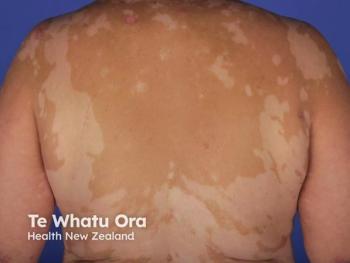
The FDA clearance allows Edesa to expand an ongoing placebo-controlled study of the CXCL10 antibody EB06 to US sites, with topline data expected in the fourth quarter of 2027.

The novel oral helicase-primase inhibitor demonstrated significantly higher rates of complete lesion healing compared with investigator’s choice treatment in the phase 3 PRIOH-1 trial.
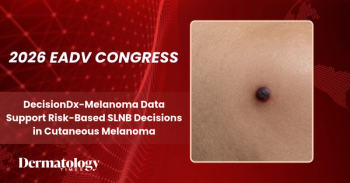
Prospective data suggest DecisionDx-Melanoma may help refine SLNB decisions and identify recurrence risk beyond conventional staging.

Falk G. Bechara, MD, discusses long-term tunnel control, structural damage, and the evolving role of biologics and surgery in HS care.
Galderma has agreed to acquire ZO Skin Health for $1.5 billion, adding the physician-dispensed skincare brand to a portfolio that already includes Cetaphil and Alastin.

New dermatology research explores hidden steroids in OTC products, infant eczema, melanoma prevention, cutaneous lymphoma, and pediatric AD.

SYX-5219 improved disease severity and itch in a Phase 1b trial of adults with moderate to severe atopic dermatitis.

In a survey of 301 employed adults, overall work impairment attributable to CHE was 31.8%, and quality of life worsened in step with self-reported disease severity.
Advertisement
Advertisement
Trending on Dermatology Times
1
FDA Approves Pritelivir for Refractory Mucocutaneous HSV in Immunocompromised Adults
2
GLP-1 Agonists Address Metabolic Risk in Psoriatic Disease
3
EB06 Phase 2 Vitiligo Study Receives FDA IND Clearance
4
EADV 2026 Atopic Dermatitis Highlights: Tilrekimig, RAC2 Inhibition, and Level Up Data
5