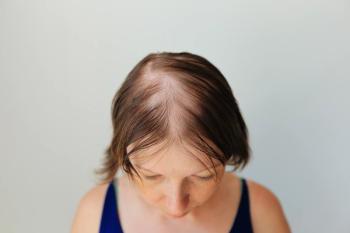
From emerging therapies to earlier intervention and psychosocial support, Dermatology Times looks back at key alopecia areata developments in 2026.
This review of the latest dermatological studies includes insights on pediatric teledermatology rates pre- and post-COVID, a 10-peptide face serum for skin quality, AI-automated disease scoring, and more.
This retrospective cohort study examined whether teledermatology expanded access to pediatric dermatology care for underserved populations in Oregon and Washington during the COVID-19 pandemic. Researchers compared new virtual visits conducted between April 2020 and March 2021 with new in-person visits from January–December 2019 and April 2020–March 2021. Outcomes included patients’ distance from clinic based on home zip code, insurance type, and preferred language. Results showed that patients using teledermatology lived significantly farther from the clinic than those attending in-person visits (mean 51.8 vs. 36.8 miles), suggesting improved geographic reach. A slightly higher proportion of virtual patients lived more than 20 miles from the clinic, although this difference was not statistically significant. However, disparities were observed in patient demographics: individuals with Medicaid insurance were less likely to use teledermatology than in-person care (36.7% vs. 44.1%), and English-speaking patients were more likely to participate in virtual visits.1
A pooled analysis from the M-SKIP project examined how melanoma risk associated with nevi differs by age. Data from 9 case–control studies were analyzed, including 2,674 melanoma cases and 2,343 controls for common nevi and 2,459 cases and 1,740 controls for atypical nevi. Researchers compared individuals younger than 40 years with those older than 60 years using adjusted odds ratios. A high number of common nevi was associated with an increased melanoma risk in both younger (OR 2.56) and older individuals (OR 2.06), with no significant difference between age groups. However, the presence of at least one atypical nevus showed a stronger association with melanoma in younger individuals (OR 4.84) compared with older individuals (OR 1.71). This indicates that atypical nevi are a particularly important risk marker for melanoma in younger populations..2
According to this commentary, standardized scoring systems are essential in dermatology for assessing disease severity, monitoring progression, and evaluating treatment response in both clinical trials and routine practice. Common tools can be complex to learn, time-consuming during consultations, and subject to inter- and intrarater variability. They may also lack sensitivity to small lesions, which can affect accuracy in assessing disease activity. Recent advances in artificial intelligence aim to address these challenges. The APASI system uses deep learning to automatically evaluate psoriasis severity from clinical images by identifying lesions and assessing key features such as erythema, induration, and scaling. Early results show performance comparable to dermatologists in some tasks. AI tools like APASI could improve objectivity, speed, and standardization, and may support teledermatology. However, limitations include difficulty assessing lesion depth from images and the need for diverse datasets and standardized photography.3
An open-label, 12-week study evaluated the efficacy and tolerability of a multifunctional 10-peptide face and neck serum in improving skin quality. Forty-eight healthy adults seeking facial and neck rejuvenation applied the serum twice daily. Participants were divided into two groups: those not using professional skincare products and those already using prescription or medical-grade regimens. By week 12, 89.6% of participants showed overall clinical improvement (p < 0.01), with 52% achieving moderate-to-marked global improvement. Significant improvements were observed across multiple skin quality parameters, including glow, skin tone, hydration, fine lines, wrinkles, pigmentation, and roughness. Similar benefits were seen in both groups, indicating the serum provided incremental improvements even among individuals already using professional skincare products. Neck skin parameters, including smoothness, firmness, and fine lines, also improved significantly. The serum was well tolerated and patient satisfaction was high.4
This case series describes 3 women in their seventies who developed biopsy-confirmed granuloma annulare (GA) in areas previously treated with radiotherapy for breast cancer. The lesions appeared at variable intervals: immediately after the start of irradiation in 1 patient, and 4 and 15 months after completion of treatment in the other 2. Clinically, patients presented with erythematous patches or annular plaques within the irradiated skin, with two cases later showing spread to other body areas. Histopathological analysis confirmed GA, demonstrating dermal granulomatous inflammation with lympho-histiocytic infiltrates, multinucleated giant cells, and altered collagen or elastic fibers. Treatments included topical corticosteroids and doxycycline, with partial improvement in some cases. The authors propose that radiotherapy-induced tissue damage and inflammatory cytokine release may trigger dermal inflammation leading to GA. They also note similarities with post-radiation morphea, a known complication of irradiation, suggesting a possible pathological continuum between these conditions.5
References
1. McClanahan D, Fang MM, Funk T, Lim JY, Latour E, Dhossche J. Characterizing the Reach of Teledermatology to Underserved Pediatric Populations in Oregon and Washington Compared to Pre- and Post-COVID In-Person Visits. Pediatr Dermatol. Published online March 8, 2026. doi:10.1111/pde.70183
2. Doi G, Gaeta A, Ribero S, et al. Age-specific melanoma risk associated with nevi: a pooled analysis from the M-SKIP project. J Dtsch Dermatol Ges. Published online March 9, 2026. doi:10.1111/ddg.15992
3. Kluger N, Todorova L. (2026), Artificial Intelligence–Based Automated Scoring to Support Dermatology Consultations. JEADV Clinical Practice. doi:10.1002/jvc2.70270
4. Cayce K, Jacobs KM, Boda S. An Open-Label Study to Assess the Efficacy and Tolerability of a Multifunctional, 10-Peptide Face and Neck Serum to Address Skin Quality. J Cosmet Dermatol. 2026;25(3):e70746. doi:10.1111/jocd.70746
5. L Scheid, M Mitcov, D Lipsker. Post-Radiation Granuloma Annulare: A Series of Three Cases. JEADV Clinical Practice. doi:10.1002/jvc2.70314