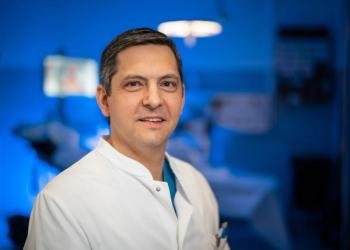
Shannon Trotter, DO, moderated a Dermatology Times Case-Based Roundtable event on how pharmacokinetics, adverse event timing, and trial response criteria should shape hedgehog pathway inhibitor selection in advanced BCC.
Panelists discuss the role of communication, follow-up, and safety monitoring in optimizing long-term biologic therapy outcomes.
Hidradenitis suppurativa (HS) is often considered one of the most challenging chronic inflammatory skin diseases to manage in routine clinical practice. Characterized by recurrent and painful nodules, abscesses, draining tunnels, and progressive scarring in intertriginous areas, the disease carries a disproportionate burden on quality of life, psychosocial functioning, and work productivity. At 3 recent Dermatology Times Case-Based Roundtable® events, F. George Hougeir, MD; Afsaneh Alavi, MD; and Harrison Nguyen, MD, MBA, MPH, moderated discussions with dermatology clinician attendees to review 3 patient cases of HS and the use of biologics. Hougeir is a dermatologist and Mohs surgeon at Southeast Dermatology Specialists in Georgia; Alavi is a dermatologist and director of the medical dermatology fellowship at Mayo Clinic in Minnesota; and Nguyen is a dermatologist, Mohs surgeon, and managing director of Harrison Dermatology and Research Group in Texas. The moderators agreed that the clinical impact of HS often far exceeds what is suggested by lesion counts alone, particularly in patients with ongoing pain, drainage, and anxiety related to disease progression.
Although HS is frequently described using static staging systems such as Hurley classification, moderators emphasized that these tools offer an incomplete picture of disease burden. As Hougeir noted, although Hurley staging remains widely used, attendees emphasized its limitations in capturing dynamic inflammatory activity.
Many clinicians now rely on dynamic assessments, including inflammatory lesion counts and patient-reported outcomes, to guide treatment decisions. Measures such as the International Hidradenitis Suppurativa Severity Score System and Hidradenitis Suppurativa Clinical Response (HiSCR) were referenced as helpful frameworks, particularly when evaluating response to systemic therapies over time.
Across the dinner discussions, clinicians revisited a familiar but evolving question: How can biologic therapies be optimized for patients with moderate to severe HS in real-world settings? Although antibiotics, hormonal agents, and procedural interventions remain part of standard treatment, the moderators consistently noted that many patients cycle through these options with incomplete or transient benefit. This pattern often results in delayed disease control and cumulative tissue damage.
The expanding biologic options have shifted the focus from short-term symptom suppression to long-term disease modification. Attendees highlighted that biologics are increasingly being considered not only for severe disease but also for patients with moderate HS whose quality of life is substantially impaired. Nguyen agreed that earlier and more strategic use of biologic therapy has the potential to alter disease trajectory, reduce flares, and improve long-term outcomes.
The timing of biologic initiation emerged as a distinct but closely related theme, particularly in discussions surrounding early inflammatory lesions. In one case, a patient presented with a new painful axillary lesion without active drainage but with surrounding induration, prompting discussion around disease staging and optimal intervention.
The moderators agreed that early inflammatory lesions represent a critical window of opportunity in HS management. Intervening before extensive tunneling and scarring develop may help alter the disease trajectory and reduce long-term morbidity. Hougeir emphasized that waiting for repeated flares or irreversible damage may limit the potential benefits of systemic therapy.
“Case 2 highlighted the importance of earlier use of biologics, the ‘window of opportunity’ to start therapy before irreversible tissue damage occurs,” Alavi said.
Several attendees noted that traditional treatment algorithms often underestimate the cumulative impact of ongoing inflammation. Moderators discussed a growing willingness to consider biologic therapy earlier in selected patients, particularly those with rapid disease progression, significant pain, or early signs of scarring.
Early control of inflammation was viewed as a means of preserving tissue integrity, improving quality of life, and reducing the need for surgical intervention. Moderators agreed that delayed escalation can have lasting consequences that are difficult to reverse, underscoring the importance of timely, proactive treatment decisions.
Within the broader biologic landscape, bimekizumab was discussed as an emerging option for patients with moderate to severe HS. Nguyen highlighted its dual inhibition of IL-17A and IL-17F and the robust HiSCRs demonstrated in clinical trials.
Attendees described considering bimekizumab for patients with a significant inflammatory burden, frequent flares, or inadequate response to prior systemic therapies. The moderators agreed that an IL-17–targeted approach may be particularly relevant for patients in whom inflammation is a dominant driver of disease activity.
Practical considerations, including dosing schedules, administration logistics, and monitoring requirements, were discussed alongside efficacy data. Each moderator emphasized the importance of patient education at initiation, particularly around expectations for response and potential adverse effects. They also noted that these considerations are similar to those for other biologics, supporting their integration into routine practice.
Importantly, the discussion emphasized the need for fair and balanced positioning of bimekizumab within HS treatment pathways. Although clinical trial data are compelling, attendees agreed that individual patient factors should guide therapy selection and that long-term real-world experience will continue to inform optimal use as adoption increases.
“Patients who do well on bimekizumab do really well. At 3 years, about 90% of patients have achieved HiSCR75,” Nguyen said.
Across these case-based discussions, moderators and clinician attendees emphasized that HS management is evolving rapidly as biologic therapies expand and clinical experience grows. Although traditional approaches such as antibiotics and procedural interventions remain important components of care, many patients continue to experience persistent inflammation, pain, and progressive tissue damage despite these strategies.
Biologic therapies are increasingly being integrated earlier in the treatment pathway, particularly for patients whose disease burden is not adequately captured by lesion counts alone. Moderators agreed that factors such as recurrent flares, early tunnel formation, quality-of-life impairment, and patient-reported symptoms should prompt clinicians to reconsider treatment strategy and evaluate whether systemic biologic therapy may be appropriate.
At the same time, no single biologic therapy is universally optimal. Treatment decisions require careful consideration of disease characteristics, prior therapies, comorbid conditions, safety profiles, and patient preferences. Shared decision-making and proactive patient education were viewed as essential components of successful long-term management.
Ultimately, the discussions reinforced that effective HS care requires both timely intervention and sustained monitoring. As additional long-term and real-world data emerge for newer biologics, clinicians will continue refining strategies to optimize response durability, improve quality of life, and potentially alter the long-term trajectory of this complex inflammatory disease.