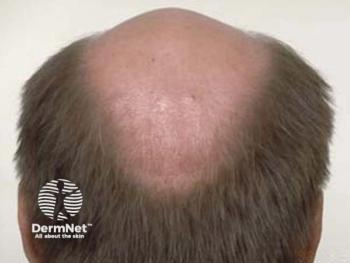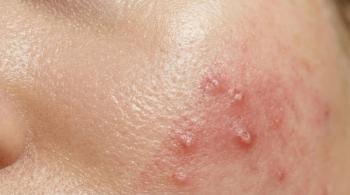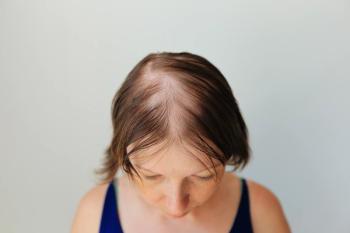
From emerging therapies to earlier intervention and psychosocial support, Dermatology Times looks back at key alopecia areata developments in 2026.
As 2024 comes to a close, Dermatology Times is taking a look back at the studies, therapies, and advances in prurigo nodularis this year.
A randomized, placebo-controlled trial of the selective transient receptor potential melastatin 8 agonist explored its efficacy and safety in PN.
The FDA also granted nemolizumab Priority Review for prurigo nodularis.
Shawn Kwatra, MD, presented late-breaking data at AAD 2024 on the largest prurigo nodularis and nemolizumab clinical trial, OLYMPIA.
Shawn Kwatra, MD, shares positive updates on phase 2 oral povorcitinib for prurigo nodularis at AAD 2024.
Povorcitinib is being evaluated for non-segmental vitiligo, hidradenitis suppurativa, prurigo nodularis, asthma, and chronic spontaneous urticaria.
Scassellati Sforzolini discusses the significance of Galderma’s nemolizumab receiving 4 additional filing acceptances for prurigo nodularis and atopic dermatitis.
Galderma’s nemolizumab is the first approved monoclonal antibody specifically inhibiting the signaling of IL-31.
The review found that patients with PN are approximately 1.3 times more susceptible to depression and 1.9 times more likely to experience anxiety.
Researchers conducted a web-based survey to gain insights into current clinical practice for PN in Japan.
The JAK1 inhibitor provided significant relief for 2 patients with refractory PN.
Shawn Kwatra, MD, presented the Incyte data at EADV 2024.
Jason Hawkes, MD, MS, emphasized the importance of biologic treatments transforming the management of both prurigo nodularis and atopic dermatitis.
Significant reductions in itch scores and improved assessments of PN severity and quality of life were observed throughout the study.
The study represents the first to evaluate health care resource utilization among individuals with PN in England.
Shawn Kwatra, MD, reviews key highlights of his sessions at Fall Clinical 2024 on the latest updates in itch conditions.
A post hoc analysis of OLYMPIA 1 and 2 trial data found significant improvement in the first 14 days of treatment.
These findings can help clinicians better treat the psychosocial factors associated with the disease.
A study showed NB-UVB phototherapy effectively reduced prurigo nodularis symptoms, with 80% of patients achieving full response.
Patients treated with dupilumab saw substantial healing, with over 70% achieving >50% lesion improvement in 24 weeks.
Data from Galderma's OLYMPIA 1 trial was published in JAMA Dermatology.
Don’t miss a moment of Dermatology Times by signing up for our eNewsletters and subscribing to receive the free print issue and supplements each month.