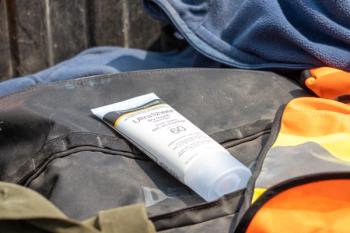
Two new Neutrogena facial sunscreens incorporate bemotrizinol, the first new sunscreen active ingredient added to the US OTC monograph in decades.
Catch up on dermatology news, highlights, and insights from the past 24 hours.
To stay up-to-date with the latest dermatology news, sign up to receive our
Explore the latest advancements in psoriasis treatment with innovative topical therapies, enhancing patient outcomes and simplifying management for diverse skin types.
Jean Tang, MD, PhD, professor of dermatology at Stanford University and general dermatologist at Stanford Medicine Children’s Health, highlighted how the therapy harnesses a patient’s own skin cells, corrects the COL7A1 mutation ex vivo, and expands them into keratinocyte sheets that are surgically applied to chronic wounds.
Dr. Rossi DERM MD blends dermatologic science with K-beauty aesthetics for effective, evidence-based solutions.
Expanded prescribing rights for pharmacists could ease treatment delays and improve access for AD patients.
Explore expert insights from Adam Friedman, MD, FAAD, on emerging topical treatments for atopic dermatitis, featuring real-world cases and practical strategies for improving care and access.
At the Elevate-Derm Summer 2025 meeting, Walter Liszewski, MD, discussed how new topical therapies, particularly JAK inhibitors, are transforming AD care with rapid itch relief, effectiveness in complex cases, and patient-friendly formulations for sensitive areas.