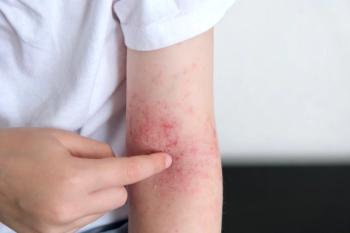
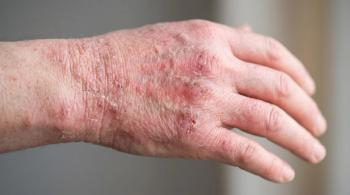
A retrospective claims analysis of 2897 matched pairs found hazard ratios of 0.48 to 0.67 for new atopic disease with dupilumab vs systemic corticosteroids in children.

Panelists discuss how comprehensive caregiver education forms the foundation of successful treatment, involving dispelling internet misinformation, demonstrating proper application techniques like fingertip units, addressing steroid fears, and establishing realistic expectations about long-term management rather than seeking quick cures.
Families managing pediatric atopic dermatitis benefit most from comprehensive education that dispels misinformation and establishes realistic expectations about chronic disease management rather than cure-focused thinking. Parents often arrive with preconceived notions from internet research or social media that require careful correction through evidence-based information about treatment approaches. Health care providers should emphasize that atopic dermatitis management involves ongoing use of appropriate treatments rather than short-term solutions, helping families understand they will receive tools for long-term disease control rather than temporary fixes.
Caregivers need practical demonstration and clear instruction about proper medication application, including fingertip unit measurements and appropriate amounts for different body areas, to ensure effective treatment implementation at home. Many families struggle with questions about layering moisturizers with medications, timing of sunscreen application, and coordination of multiple topical treatments throughout the day. Addressing these practical concerns during office visits prevents confusion and improves adherence, while providing opportunities to correct common misconceptions about topical steroid safety when used appropriately under medical supervision.
Parents managing atopic dermatitis should understand that although trigger identification and lifestyle modifications can play supportive roles, the complex nature of the condition typically involves multiple contributing factors that cannot all be identified or controlled. Food triggers, although important for some children, rarely serve as the primary driver of atopic dermatitis, and families benefit from maintaining perspective about the relative importance of various management strategies. The foundation of successful treatment remains consistent skin care routines, appropriate use of prescribed medications, and regular follow-up care, with trigger avoidance serving as a helpful but secondary consideration in most cases.