


Opinion|Videos|November 28, 2024
Clinical Presentation
Author(s)Andrew F. Alexis, MD, MPH
Key Takeaways
- Segmental vitiligo, typically stable and unilateral, may benefit from surgical interventions, while nonsegmental vitiligo often requires systemic therapies due to its bilateral and progressive nature.
- Patient collaboration is vital in creating treatment plans, focusing on treatment goals, expectations, and potential side effects to ensure personalized care.
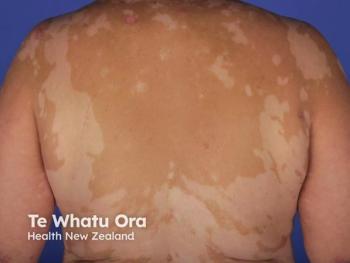
Andrew Alexis, MD, MPH, discusses how, in creating individualized treatment plans for vitiligo, clinicians must carefully consider the distinct challenges and response patterns associated with segmental vs nonsegmental forms, as segmental vitiligo tends to be more stable after initial progression but often more resistant to treatment, while nonsegmental vitiligo typically shows a more unpredictable course requiring ongoing management strategies.
Advertisement
Episodes in this series




Video content above is prompted by the following:
- When you’re coming up with these treatment plans, how do differences in clinical presentation and, progression of segmental and nonsegmental vitiligo influence that plan when you’re creating it? How do you work with a patient to create a treatment plan?
- When you approach segmental vitiligo vs nonsegmental forms, are there any specific challenges associated with each type?
Advertisement
Related to this article
The FDA clearance allows Edesa to expand an ongoing placebo-controlled study of the CXCL10 antibody EB06 to US sites, with topline data expected in the fourth quarter of 2027.

Dermatology clinicians at a Case-Based Roundtable in Austin, Texas, discussed real-world strategies for sequencing topical therapy, phototherapy, and ruxolitinib cream across pediatric and adult vitiligo cases.
Advertisement
Advertisement
Trending on Dermatology Times
1
Social Media Mythbusters: Can Castor Oil Really Grow Hair?
2
Bitopertin Meets All End Points in Phase 3 APOLLO Trial for EPP
3
EADV 2026 Atopic Dermatitis Highlights: Tilrekimig, RAC2 Inhibition, and Level Up Data
4
FDA Approves Pritelivir for Refractory Mucocutaneous HSV in Immunocompromised Adults
5