Both barzolvolimab doses improved UAS7 at week 12 in EMBARQ-CSU1 and EMBARQ-CSU2, with up to 54% of patients reaching complete response by week 24.
Celldex is launching a phase 3 trial for barzolvolimab, targeting cold urticaria and symptomatic dermographism, offering hope for effective treatment options.
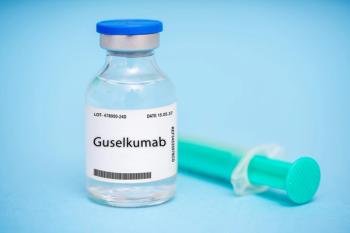
Celldex Therapeutics has initiated EMBARQ-ColdU and SD, a global registrational phase 3 program evaluating the KIT-targeting monoclonal antibody barzolvolimab in adults with cold urticaria (ColdU) and symptomatic dermographism (SD) who remain symptomatic despite guideline-based antihistamine therapy.1 The program represents the company’s second phase 3 effort for barzolvolimab, complementing an ongoing pivotal program in chronic spontaneous urticaria (CSU).
“Across studies in cold urticaria and symptomatic dermographism, barzolvolimab has demonstrated a unique and profound ability to offer rapid, sustained, complete disease response, providing hope for patients who are impacted by severe itching and hives that dramatically impact all aspects of their lives despite constant vigilance to avoid disease triggers,” said Diane C. Young, MD, Senior Vice President and Chief Medical Officer of Celldex. “Advancing a promising agent that addresses the root driver of the disease—the mast cell—into a registrational study is a significant step forward for patients and physicians who desperately need better treatment options.”1
The EMBARQ-ColdU and SD phase 3 trial is a randomized, double-blind, placebo-controlled, parallel-group study enrolling approximately 240 adults across ~75 sites in seven countries. Participants will be categorized into 2 cohorts by disease subtype (ColdU or SD), with ~120 patients planned for each. Eligibility includes inadequate response to H1 antihistamines and patients previously treated with biologics may also enroll.
Participants will be randomized 1:1 to receive barzolvolimab or placebo. The active-treatment arm consists of a 450 mg loading dose on day 1, followed by 150 mg every 4 weeks for 24 weeks. The primary endpoint is the proportion of patients achieving a complete response, defined as a negative provocation test at week 12 (TempTest for ColdU and FricTest for SD). Secondary outcomes will examine symptomatic and functional improvements. After completing treatment, patients will be followed for an additional 16 weeks.
The phase 3 initiation follows compelling signals from a prior placebo-controlled phase 2 study, in which barzolvolimab met all primary and secondary endpoints with high statistical significance.2 In that study, up to 75% of patients with ColdU and 67% with SD achieved partial or complete response by week 12. Improvements included enhanced Critical Temperature Thresholds (CTT), Critical Friction Thresholds (CFT), itch reduction per WI-NRSprovo, and better Urticaria Control Test scores. Importantly, responses were durable and strengthened over time. By week 20, up to 78% of ColdU and 58% of SD patients maintained partial or complete response. The safety profile in phase 2 was favorable, with follow-up extending 24 weeks beyond treatment. Patients with persistent or returning symptoms were eligible for an open-label extension (OLE); placebo-treated patients entered the OLE sooner than those treated with barzolvolimab. Data from the OLE are expected in Q1 2026.
Barzolvolimab is a humanized monoclonal antibody targeting the receptor tyrosine kinase KIT, a central regulator of mast-cell differentiation, recruitment, and survival. Given that mast-cell activation is the primary driver of both ColdU and SD, the drug is designed to address disease pathophysiology upstream of symptom-mediator release. There are currently no advanced therapies approved to treat the more than 533,000 patients impacted by ColdU and SD across the US and Europe.
“Barzolvolimab is now advancing across five indications demonstrating its significant potential to treat a broad array of mast cell driven diseases with Phase 3 studies ongoing in chronic spontaneous urticaria, cold urticaria and symptomatic dermographism and Phase 2 studies in prurigo nodularis and atopic dermatitis,” said Anthony Marucci, Co-founder, President and Chief Executive Officer of Celldex. “We remain focused on executing these trials seamlessly and achieving our goal of making barzolvolimab available to meet the needs of patients.”1
References
1. Celldex Initiates Global Registrational Phase 3 Program of Barzolvolimab in Cold Urticaria and Symptomatic Dermographism. News release. Globe Newswire. Published December 9, 2025. Accessed December 9, 2025.
2. Celldex Announces Barzolvolimab Met All Primary and Secondary Endpoints with High Statistical Significance in Positive Phase 2 Study in Chronic Inducible Urticaria. News release. Celldex. Published October 26, 2024. Accessed December 9, 2025.
3. Celldex presents data demonstrating barzolvolimab improves chronic spontaneous urticaria independent of baseline immunoglobulin E levels in phase 2 study at EADV Congress 2025. News release. BioSpace. Published September 17, 2025. Accessed December 9, 2025.