


Opinion|Videos|April 22, 2025
Case 3: High-Risk Patient with GPP Treatment Approach
Panelists discuss how a high-risk patient with generalized pustular psoriasis requires a carefully tailored treatment approach that balances aggressive intervention to control acute flares with consideration of comorbidities, medication interactions, and long-term safety concerns, often necessitating multidisciplinary collaboration between dermatologists, intensivists, and other specialists.
Advertisement
Episodes in this series

Advertisement
Related to this article

Put your dermatology expertise to the test with Dermatology Times’ interactive quiz series.

Can at-home dermarollers give the same results as in-office microneedling or is that just a myth? Read more about the latest social media trend and learn how to counsel your patients in the clinic.
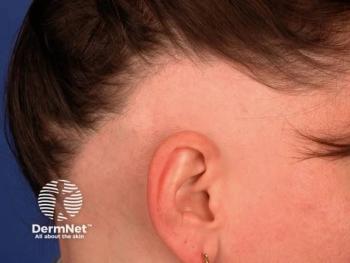
The FDA approval, based on 36-week data from the phase 3 BRAVE-AA-PEDS trial, extends baricitinib access to patients as young as 12 years old with severe alopecia areata.
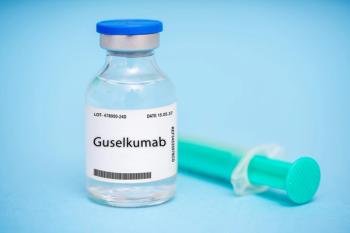
Guselkumab met primary and major secondary endpoints in the phase 4 STAR study, improving axial PsA symptoms and MRI-confirmed inflammation.
Find out what skin care products and aesthetic innovations clinicians are recommending to patients for the month of September.
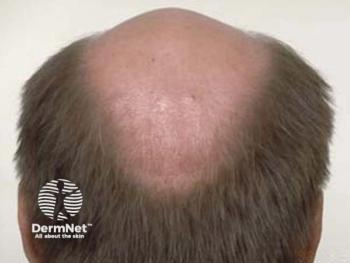
Three experimental hair loss mechanisms are moving through late-stage trials for the first time in decades, and the data are worth knowing before patients ask.
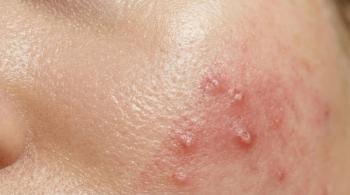
Alexandra Charrow, MD, discussed biologic selection, deroofing, and emerging procedural approaches to hidradenitis suppurativa at Maui Derm NP+PA Fall 2026.

Week 28 data from the phase 2a EVERLAST-A trial showed PASI 100 responses increased to 71.4% despite no additional ORKA-001 dosing after week 4.
Advertisement
Advertisement
Trending on Dermatology Times
1
From Mechanism to Management: Navigating Male Pattern Hair Loss and New Topical Therapies
2
FDA Approves Baricitinib for Adolescents With Severe Alopecia Areata
3
Tremfya Meets Primary, Major Secondary Endpoints in Phase 4 STAR Study of Axial PsA
4
Dr. Charrow Highlights Earlier Biologic Use and Deroofing in Hidradenitis Suppurativa
5