

Feature|Articles|March 4, 2026
Beyond Voluntourism: An Integrated Ophthalmology-Dermatology Mission to Nepal
Author(s)Arash Izadpanah, MD, Scott Hamilton, MBA, COT
Fact checked by: Nicole Canfora Lupo
Listen
0:00 / 0:00
Key Takeaways
- Integrated ophthalmology-dermatology deployment aligned subspecialists with identified local gaps, emphasizing co-managed cases and bedside teaching over volume-driven episodic care.
- Ophthalmology teams expanded surgical breadth with SICS, vitrectomy, scleral-fixated IOLs, trabeculectomy, goniosynechiolysis, YAG, and oculoplastics, achieving the first 360° Prolene GATT locally.
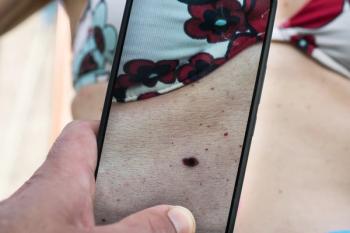
A combined group of ophthalmology and dermatology specialists traveled to communities in Nepal to conduct consultations, procedures, and teaching sessions, and specifically in dermatology, skin malignancy removals, trainings on biologics and JAKs, and melanoma detection demonstrations.
Advertisement
In December 2025, Dooley Intermed International, Operation Restore Sight, and Reiyukai Eiko Masunaga Eye Hospital (REMEH) in Nepal joined forces with dermatology specialists from Scripps Clinic Medical Group in a pioneering multidisciplinary mission that exemplified the principles of sustainable medical volunteerism. This integrated ophthalmology-dermatology collaboration delivered sight-restoring care and advanced dermatologic services to Nepal's most underserved communities while simultaneously strengthening local clinical capacity through genuine knowledge exchange and bidirectional learning.
The combined team of ophthalmic and dermatologic specialists from Dooley Intermed, UMass, Scripps, New York Eye & Ear Infirmary, and REMEH provided comprehensive, high-quality care at eye hospitals in Dhalkebar in Nepal's Terai region near the India border, and Banepa near Kathmandu. Over an intense and productive week, the ophthalmology team performed more than 250 surgeries, addressing complex and vision-threatening conditions rarely treated in remote settings, while the dermatology team conducted consultations, procedures, and teaching sessions at Hansen disease facilities and multiple community hospitals in the Outer Terai and Kavrepalanchok districts.
Ophthalmology: Restoring Sight Through Advanced Subspecialty Care
The ophthalmology team, comprised of subspecialists, achieved remarkable surgical outcomes through a comprehensive range of procedures, including small-incision cataract surgery, vitrectomy, complex cataract extraction, scleral-fixation of intraocular lenses, trabeculectomy, goniosynechialysis, YAG laser treatments, and advanced glaucoma surgery. A historic milestone was reached with the first-ever 360° Prolene gonioscopy-assisted transluminal trabeculotomy performed at the host facility, expanding the local surgical repertoire for complex glaucoma management.
Oculoplastic services proved equally transformative, with surgeries addressing cancer and tumor excision and reconstruction, trauma reconstruction, entropion, ectropion, and tear duct disorders—restoring both vision and function for patients who had long been without access to specialized care. These complex procedures were performed alongside REMEH surgeons, facilitating hands-on skill transfer that will benefit countless future patients.
Dermatology: Addressing Critical Needs in Underserved Populations
Hansen Disease and Leprosy Care
The dermatology team, led by Arash Izadpanah, MD, and Erik Gilbertson, MD, from Scripps Clinic in California, conducted comprehensive clinical work at 2 major Hansen disease hospitals: Lalgadh Leprosy Hospital and Anandaban Leprosy Hospital, and facilities affiliated with the Madhesh Institute of Health Sciences. These institutions serve highly vulnerable populations affected by Hansen disease, also known as leprosy, a condition that continues to carry significant stigma despite being curable with multidrug therapy.
At these specialized facilities, the dermatology team provided direct patient care, performed diagnostic procedures including skin biopsies, and conducted excisions of suspicious lesions. Working alongside local physicians, Gilbertson discussed and exchanged treatment strategies for evaluating and managing dermatologic complications of Hansen disease, including reactive states, neuropathic complications, and secondary skin infections that frequently affect this patient population. The visual language of dermatology proved particularly valuable in this cross-cultural educational setting, allowing effective knowledge transfer despite language barriers.
Advanced Dermatologic Care and Procedural Skills Transfer
Beyond Hansen disease care, the dermatology team extended services to surrounding community hospitals, addressing a broad spectrum of dermatologic conditions. Clinical activities included skin cancer excision, diagnostic skin biopsy education, and laser treatments for various dermatologic conditions. Each procedure was conducted as a teaching opportunity, with local physicians participating directly in patient evaluation, surgical planning, and technique refinement.
A cornerstone of the dermatology mission was hands-on teaching of procedural dermatology skills, including biopsy techniques. The team demonstrated and taught fundamental techniques, including proper local anesthesia administration, shave and excisional biopsy approaches, layered closure techniques, and wound management strategies. These practical skills are readily transferable and immediately applicable in resource-limited settings.
Introduction of Advanced Therapeutics
Recognizing the importance of keeping local physicians informed about evolving therapeutic options, the team provided education on recently approved dermatologic medications that may become available in Nepal. Discussions included targeted therapies such as dupilumab and biological therapeutic options for atopic dermatitis, prurigo nodularis, and chronic idiopathic urticaria, as well as roflumilast cream for plaque psoriasis, atopic dermatitis, and seborrheic dermatitis; ruxolitinib cream for vitiligo and atopic dermatitis treatment; and delgocitinib cream for chronic hand dermatitis. While acknowledging current access limitations, educating local physicians about emerging therapeutics helps prepare them for future treatment paradigms and positions them to advocate for broader medication access as health care infrastructure develops. Therapeutic samples were provided to enable hands-on teaching of the appropriate use of these medications by local physicians.
Innovative Melanoma Detection Technology
In collaboration with DermTech, the mission evaluated a novel noninvasive melanoma detection platform on a patient with xeroderma pigmentosum (XP), a rare genetic condition causing extreme sun sensitivity and dramatically elevated skin cancer risk. This patient, who also presented with possible melanoma, represented an ideal case for introducing genomic-based melanoma detection technology, given the limited dermatopathology services in the region. The DermTech platform uses adhesive patch collection to obtain genomic material from suspicious lesions, which is then analyzed for molecular markers associated with melanoma, offering a noninvasive alternative to traditional biopsy that may be particularly valuable in resource-limited settings or for patients unable to undergo a conventional biopsy.
This application demonstrated how innovative diagnostic technologies can be deployed in global health settings to address complex cases, potentially establishing new diagnostic pathways for melanoma detection in underserved populations. The case also highlighted the intersection of rare disease care and global health, as XP patients in regions with high UV exposure face particularly elevated melanoma risk, yet often lack access to specialized treatment and dermatologic surveillance or basic education regarding their medical condition and associated risk factors.
Knowledge Exchange: A Bidirectional Model
A defining feature of this mission was its unwavering emphasis on genuine knowledge exchange rather than unidirectional teaching. Drawing from lessons learned during previous missions, including our sustainable approach in Morocco, the team structured every clinical activity around collaborative learning. Local physicians were not passive observers but active participants who contributed their unique insights into managing disease presentations, treatment approaches, and patient care strategies that work effectively within Nepal's health care infrastructure.
REMEH surgeons worked side by side with visiting ophthalmology specialists, gaining hands-on experience with advanced surgical techniques and complex case management. Similarly, dermatologists at Hansen disease facilities and community hospitals shared their extensive experience managing endemic conditions and adapting treatment protocols to available resources. This bidirectional exchange enriched both visiting and local physicians, fostering mutual respect and laying the groundwork for sustained collaboration.
The visual nature of both ophthalmology and dermatology proved particularly powerful in facilitating cross-cultural education. Clinical photography, direct visualization of pathology, and hands-on procedural teaching transcended language barriers, allowing effective knowledge transfer even when linguistic interpretation was required.
Aligning With Host Country Needs
The mission's success stemmed from careful alignment with Nepal's health care priorities and infrastructure. Rather than bringing a large team to perform high-volume but disconnected care, the organizers assembled focused specialists whose expertise directly addressed identified gaps: advanced ophthalmologic surgery, oculoplastic reconstruction, dermatologic care for stigmatized populations, procedural dermatology education, and management of complex dermatologic conditions, including skin cancer in high-risk populations.
This targeted approach, informed by extensive premission communication with REMEH leadership and local health authorities, ensured that visiting specialists complemented rather than displaced local providers. The focus on teaching sustainable skills—surgical techniques that could be performed with available equipment, diagnostic approaches adaptable to resource constraints, and treatment strategies compatible with local medication access—maximized the mission's long-term impact.
Community Engagement and Advocacy
Beyond direct clinical care, the mission expanded its reach to vulnerable populations often overlooked by health care systems. The team visited a local orphanage and village school, where children received medical evaluations along with clothing and essential school supplies. These community visits reinforced the mission's commitment to comprehensive care that addresses social determinants of health alongside medical needs.
The mission's impact garnered recognition at the highest levels of Nepalese government. Team members were honored to meet with Nepal's president, Ram Chandra Paudel, at his personal residence, followed by meetings with local officials and mayors representing 15 surrounding districts. These high-level engagements served as advocacy opportunities to promote expanded rural eye care and dermatologic services, particularly for patients who face economic, medical, and social barriers to care.
Ensuring Sustainability
True to the principle that impactful medical missions must create lasting infrastructure improvements, the project concluded with the presentation of a brand-new 30-passenger outreach bus provided by Dooley Intermed. This vehicle dramatically expands REMEH's capacity to conduct mobile eye camps and transport patients from remote regions to receive free, sight-restoring care. Diagnosis alone cannot cure cataract blindness or disease. In some remote areas, more than half of patients in need of surgical care cannot reach the operating table, often due to a lack of assured transportation. Such tangible infrastructure investments distinguish sustainable missions from transient medical tourism.
The dermatology component similarly emphasized sustainability through skill transfer rather than dependency-creating interventions. By teaching fundamental procedural techniques using locally available instruments and supplies, local physicians gained immediately applicable skills that will benefit their communities for years to come. Educational materials and treatment protocols were shared in formats that can be readily disseminated among local medical communities.
Lessons Applied: From Morocco to Nepal
The Nepal mission built upon principles developed during our
• Teaching Over Triage: Prioritizing knowledge transfer through bedside teaching and joint procedures over maximizing patient volume without educational impact.
• Collaboration as Cornerstone: Forging a deep partnership with existing host institutions, ensuring shared ownership of mission objectives and fostering trust that enables sustained collaboration.
• Responsive Planning: Thoroughly assessing needs prior to arrival, allowing mission activities to address genuine gaps rather than imposing predetermined agendas.
• Realistic Resource Awareness: Teaching techniques and strategies compatible with local equipment, medication access, and health care infrastructure.
• Community Partnership: Engaging not only medical professionals but also government officials, community leaders, and local philanthropists to build comprehensive support for health care improvements.
These principles distinguished the Nepal mission from conventional medical tourism, transforming it into genuine capacity-building that respects local expertise while addressing unmet needs.
Dermatology's Unique Role in Global Health
This mission demonstrated dermatology's unique advantages in global health contexts. The visual nature of dermatologic diagnosis allows effective teaching across language barriers—clinicians can learn to recognize morphologic patterns even without shared vocabulary. Dermatologic procedures, while requiring skill, can often be taught using locally available instruments and supplies, making knowledge transfer immediately practical rather than dependent on expensive equipment.
Furthermore, dermatology intersects with numerous global health priorities: infectious disease (Hansen disease, cutaneous leishmaniasis, fungal infections), cancer prevention and detection (melanoma screening in high-risk populations such as XP patients), management of chronic inflammatory conditions (psoriasis, atopic dermatitis), and care for stigmatized populations. This breadth positions dermatologists to make multifaceted contributions to global health while collaborating effectively with other specialties.
The integration of dermatology with ophthalmology in this mission highlighted how multidisciplinary approaches amplify impact. Both specialties share visual diagnostic foundations, procedural skill emphasis, and the ability to deliver transformative outcomes through relatively focused interventions. Collaborative missions that unite complementary specialties can achieve comprehensive care delivery while maximizing educational impact through shared resources and coordinated community engagement.
Future Directions and Sustained Partnership
The Nepal mission marks not an end point but rather the beginning of a sustained partnership. Plans are underway for an integrated 2026 symposium in Nepal to facilitate knowledge transfer and to create continuous knowledge flow rather than episodic intervention.
Future dermatology components will expand upon established relationships with Hansen disease facilities and community hospitals while further developing subspecialty collaboration. The mission also identified opportunities for equipment donations, particularly dermatoscopes and basic surgical instruments, which could significantly enhance local diagnostic and therapeutic capabilities without creating dependency on unsustainable technologies.
Continued evaluation of innovative technologies such as DermTech's melanoma detection platform in global health settings may establish new diagnostic paradigms for underresourced populations, particularly for patients at high risk of melanoma who lack access to specialized dermatologic surveillance.
Conclusion: A Model for Sustainable Medical Missions
The 2025 Nepal integrated ophthalmology-dermatology mission demonstrates that medical volunteerism can transcend the limitations of medical tourism when built upon principles of genuine partnership, bidirectional knowledge exchange, alignment with host country needs, and commitment to sustainable capacity building. By uniting advanced subspecialty care with practical skill transfer, community engagement with governmental advocacy, and immediate patient benefit with long-term infrastructure investment, such missions serve as models for impactful global health engagement.
For physicians seeking to contribute to global health, this mission offers valuable lessons: align expertise with genuine needs, prioritize teaching over transient care delivery, respect and learn from local physicians' knowledge, work collaboratively across specialties, and commit to sustained partnership rather than isolated interventions. When implemented thoughtfully, medical missions can deliver transformative care to underserved populations with the goal of empowering local health care systems to provide continued excellent care long after visiting teams depart.
As global health engagement becomes increasingly integral to medical practice, the “beyond voluntourism” model provides a framework for physicians from all specialties seeking to make meaningful, lasting contributions to communities in need. By resisting the allure of voluntourism and instead investing in genuine collaboration and capacity building for local communities, we can become powerful agents of global health equity.
The Project Team
The Nepal integrated ophthalmology-dermatology mission included:
Ophthalmology Team: Christopher Teng, MD (UMass); Gareth Lema, MD, PhD (New York Eye & Ear Infirmary of Mount Sinai); Omar Ozgur, MD (Scripps Clinic Medical Group); Scott Hamilton, MBA, COT (Dooley Intermed International); and Oliver Millard (Dooley Intermed International).
Dermatology Team: Arash Izadpanah, MD (Scripps Clinic Medical Group); and Erik Gilbertson, MD (Scripps Clinic Medical Group).
This multidisciplinary group was united by a shared commitment to preventing blindness, managing complex dermatologic conditions, building local expertise, and delivering subspecialty care to people who have nowhere else to turn.
About the Authors
Arash Izadpanah, MD, is a dermatologist and division head of dermatology at Scripps Clinic Medical Group in San Diego, California. He has organized volunteer medical missions in collaboration with multiple nonprofit medical and humanitarian organizations.
Scott Hamilton, MBA, COT, is the president of Dooley Intermed International and coleader of Operation Restore Sight. He has organized multiple outreach sight-restoring projects and biomedical research expeditions in cooperation with NASA, Massachusetts Institute of Technology, and the US Army. Hamilton has a long-standing goal of preventing blindness and restoring vision in remote areas of the world.
Advertisement
Related Content
Advertisement

Latest CME


Advertisement
Advertisement
Trending on Dermatology Times
1
New Consensus Defines Remission, Disease Activity in Atopic Dermatitis
2
Real-World Study Finds Experienced Dermatologists Outperform AI in Skin Cancer Diagnosis
3
Beyond Retinol: Evaluating the Stability, Safety, and Gene-Expression Profile of Bakuchiol Ferulate
4
Zasocitinib Shows High Skin Clearance at Hard-to-Treat Psoriasis Sites
5