


The study is the first large study to assess skin cancer screening efforts aimed at volunteer firefighters in the US.
The study is the first large study to assess skin cancer screening efforts aimed at volunteer firefighters in the US.

Piction Health Dermatology seeks to break down barriers in dermatologic care access.

This week’s collection of the latest dermatologic studies covers distinguishing between granular cell tumors and melanoma, methotrexate and biologics for anxiety and depression among PsO patients, botulinum toxin for scalp conditions, and a review of the SPRING study for guselkumab.
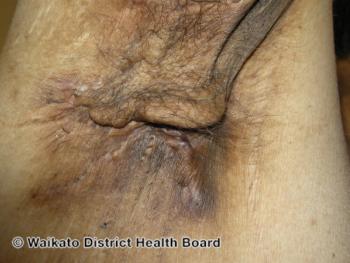
Female sex bias in hidradenitis suppurativa can be attributed to several contributing immunological factors.

As your youngest patients begin the return to the classroom, pediatric dermatologist Latanya Benjamin, MD, FAAD, FAAP, offers perspectives in education and skin care tips.

Mannitol and ectoine, when used with UV filters in sunscreen, can provide a higher level of skin protection.

Patients with episodes longer than 4 years had a delayed response rate.

This Hair Loss Awareness Month, test your knowledge of hair loss conditions. Click here to answer this week's poll.

Dermatology Times Editor in Chief Zoe Diana Draelos, MD, reflects on the importance of dermatology residency programs in cultivating early passion for the specialty.

In part 1 of this Frontline Forum series, James Del Rosso, DO; Hilary Baldwin, MD; Neal Bhatia, MD; Christopher Bunick, MD, PhD; and Leon Kircik, MD, discuss the pathogenesis of acne vulgaris, the use of clascoterone cream 1%, differences in isotretinoin formulations, targeting sebum production, acne guidelines for patient care, and more.

Dermatology Times is counting down to the annual Fall Clinical conference in Las Vegas, Nevada, with our top 5 headlines and highlights from this year's PA and NP summer conference.
Keep up with the latest headlines in dermatology from the past week, including a newly-developed electronic skin, the first ever use of CRISPR technology to explore the genetics of human melanin production, and more.

As awareness of epidermolysis bullosa has grown, companies have increased research into innovative therapies.

ICYMI, this week we had stories about rising derm stars from the World Congress of Dermatology, secukinumab for pediatric patients with plaque psoriasis, remibrutinib for rapid symptom control of urticaria, and more.

Investigators wanted to find a testing option if other parameters are negative or conflicting and LE is suspected.

The Soligenix study is supported by a US Food and Drug Administration Orphan Products Development grant award.

Back-to-school season is an opportunity for dermatology clinicians to empower pediatric, adolescent, and young adult patients with treatment solutions for diagnoses including acne, atopic dermatitis, and skin cancer.

Five nurse practitioners and physician assistants review patient case presentations and discuss unmet needs in the psoriasis landscape.

Genetic variants associated with hidradenitis suppurativa (HS) were identified, although a causal effect is not proven.

In a survey, 99% of aesthetic practitioners and professionals said the product made lips look full and healthy.

The highly selective oral BTK inhibitor is emerging in the treatment landscape as a potential therapeutic option for urticaria uncontrolled by H1-antihistamines.

At 3 months post-treatment, skin texture and laxity showed significant improvement.

The treatments also led to a decrease in the density of immunohistochemistry of sweat glands.

Survey responses revealed the rates and times at which patients switched from oral to biologic therapies.
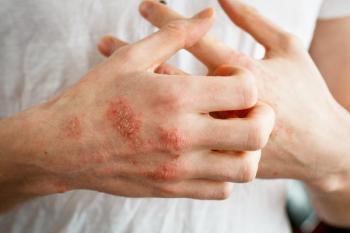
Patients given LNK01001 showed significant improvement in EASI scores over placebo.

Research showed that many patients with skin cancer who had been treated using immunotherapy, such as immune checkpoint inhibition, experienced chronic side effects.

Dermatology Times is counting down to the annual fall SDPA conference in Nashville, Tennessee, with our top 10 headlines and highlights from this year's summer conference.

With hormonal fluctuations, constantly changing schedules, and various afterschool activities, addressing the specific needs of teenage skin becomes essential to promote a lifetime of proper skin care practices.
This week’s collection of the latest dermatologic studies covers an evaluation of the human stratum corneum with confocal Raman micro-spectroscopy, anti-mBP180 antibodies from mice, an updated review of alopecia areata comorbidities, and an ecchymotic patch related to chronic lymphocytic leukemia.

A grant from the National Institutes of Health will support continued research to develop products for soft tissue regeneration.