


Websites and educational materials are available to support clinicians in treating their patients with skin of color.
Websites and educational materials are available to support clinicians in treating their patients with skin of color.

Skin clearance and itch relief were maintained through 1 year of treatment with monthly maintenance.
In part 2 of this Frontline Forum series, Brent Moody, MD; Sarah Arron, MD, PhD; Justine Cohen, DO; Emily Ruiz, MD, MPH; and Todd Schlesinger, MD, discuss non-surgical treatment options for the management of BCC, dose adjustments for systemic treatments, combining hedgehog pathway inhibitors with immunotherapy, and more.

This Hispanic Heritage Month, Dermatology Times is reviewing the unique dermatologic concerns and disparities faced by members of the Hispanic community.
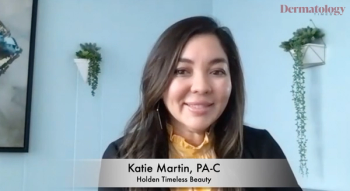
Martin presented clinical pearls regarding business management and facial balancing in Dallas, Texas.
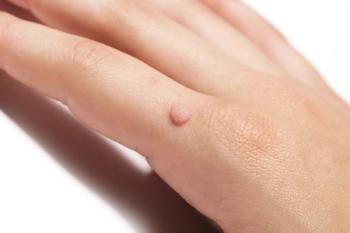
In a study of 19 patients, the laser treatment led to excellent responses in 86.36% of participants, with 78.94% achieving complete response.

In this month's Cosmetic Conundrums column, Zoe Diana Draelos, MD, describes peptides and their use in skin care.

Bempikibart offers a new approach to treating the disease by blocking signaling pathways.

According to researchers, only 3 studies have previously explored a potential link between AD and dementia with inconsistent findings.

Treatments using lasers and microneedling for acne and acne scarring have grown in recent years, offering patients more options.

World Atopic Eczema Day initiative from Almirall highlights experiences and facts about atopic dermatitis.

Treatment groups showed faster healing and lower rates of erythema than control groups.

This week’s collection of the latest dermatologic studies covers aseptic facial granulomas, chronic spontaneous urticaria and IgE, a case review of crusted scabies, and the safety and tolerability of onabotulinumtoxinA.

Indeterminacy of invisible subcutaneous lesions such as epidermoid cysts, lipomas, pilomatrixomas, hemangiomas, and DFSPs, can be decreased with HFUS use, according to investigators.
In part 1 of this Frontline Forum series, Brent Moody, MD; Sarah Arron, MD, PhD; Justine Cohen, DO; Emily Ruiz, MD, MPH; and Todd Schlesinger, MD, discuss non-surgical treatment options for the management of BCC, dose adjustments for systemic treatments, combining hedgehog pathway inhibitors with immunotherapy, and more.

Nektar Therapeutics announced the promising and statistically significant results, which included meeting endpoints of BSA, DLQI and POEM in patients with atopic dermatitis.

To further discuss the changing landscape of skin of color representation in dermatology, Christopher Bunick, MD, PhD, and Shawn Kwatra, MD, review how they have seen representation change in their own experiences.

In this month's letter from the Editor in Chief, Zoe Diana Draelos, MD, explains why aging is a culmination of disease processes and that more steps should be taken to address aging.

After 17 months, patients showed no signs of remission.
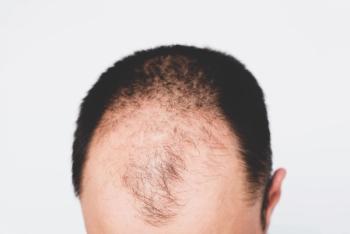
Researchers compared the efficacy of the 2 modalities and found that they were equal in safety, efficacy, and tolerability.

The donepezil transdermal system to treat dementia showed no to minimal skin irritation in the study.

In this week’s Pointers With Portela, the 208SkinDoc recommends products for dry, oily, sensitive, and acne-prone skin types.
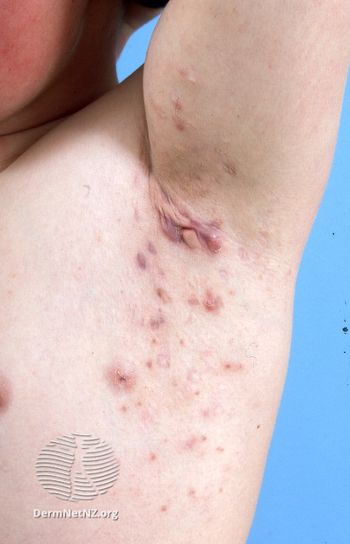
The IL-17A inhibitor did not meet its phase 2b/3 clinical trial primary end point.

The submission follows the announcement of recent long-term data of the drug in patients ages 6 years and older.

Discover how we continue to spotlight innovation and remain curious with the goal to help you improve patient outcomes.

Share your insights ahead of October's National Eczema Awareness Month by emailing our team at DTEditor@mmhgroup.com.

The FDA no longer restricts the donation of human cells, tissues, cellular or tissue-based products, human milk, ova, sperm, or organs for transplantation for patients who receive StrataGraft.

Steven Dayan, MD, FACS, first author behind a recent study involving high rates of patient satisfaction following treatment with botulinum toxin, discusses the importance of placing patient satisfaction at the forefront of cosmetic dermatology.

Rescue workers had a higher rate of malignant melanoma between 2005 and 2015 compared the general population of New York State.

As deucravacitinib surpasses its 1-year milestone since approval, clinicians continue to monitor its real-world performance among patients.