


Catch up on coverage from the first day of the 2024 Society for Pediatric Dermatology Annual Meeting in Toronto, Ontario, Canada.
Catch up on coverage from the first day of the 2024 Society for Pediatric Dermatology Annual Meeting in Toronto, Ontario, Canada.

Hypertension and hyperlipidemia are common among obese pediatric patients with hidradenitis suppurativa, according to a poster presented at the SPD's annual meeting.
In this episode, Albert Yan, MD, FAAP, FAAD, discusses his SPD 2024 session revolving around the helpful (or hindering?) role of artificial intelligence and chatbots in dermatology.
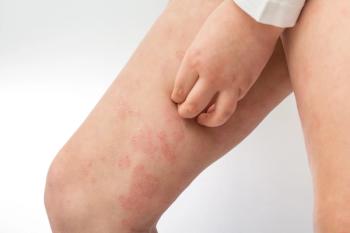
All domains of the DLQI and CDLQI experienced improvements through 108 weeks, according to a poster presented at the SPD's annual meeting.
Silverberg discusses her SPD 2024 lecture, "Approach to Progressive Vitiligo," the future vitiligo landscape, and more.
Julapalli discusses her SPD 2024 lecture, "Rediscovering Joy in our Lives and the Workplace," excitement for the future of pediatric dermatology, and more.
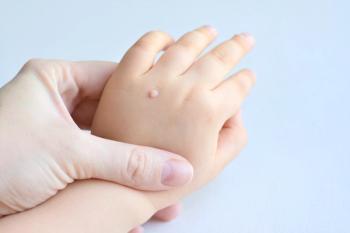
The average pain score reported during treatment was 0.4/10, according to a poster presented at the SPD's annual meeting.
Mancini discusses his SPD 2024 lecture, emphasizing off-label treatments, surrogate diagnostic markers, simpler therapies, and the importance of empathy and education.

In a milestone year for Dermatology Times, our Editorial Advisory Board reflects on advancements in their careers.

“Edward” is a 35-year-old Hispanic male presenting with a new rash on the buttocks which has been present for approximately 1 month.

Learn more about the latest research in atopic dermatitis from Raj Chovatiya, MD, PhD, MSCI; Robert Sidbury, MD; David Rosmarin, MD; Amy Paller, MD; Melinda Gooderham, MD, MSc, FRCPC; and Jonathan Silverberg, MD, PhD, MPH.
The conference aimed at providing pediatric dermatology clinicians with the latest in the specialty begins tomorrow in Toronto, Ontario.
Ahead of the SPD's Annual Meeting in Toronto, share with us: What do you hope to learn?

The international study represents the most comprehensive analysis of Southeast Asian patients with CI to date and provides a detailed look into specific CI subtypes.

Cutiss plans to have full phase 2 data in early 2025.

Results showed that the most common nail concerns associated with or independent of hair loss included pitting, ridging, and white spots.
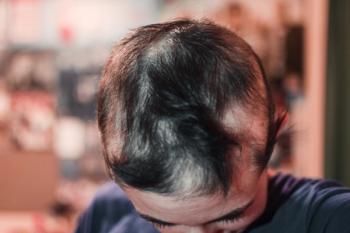
A recent review suggested there may be a higher risk of AA development after COVID-19 vaccination in patients with a history of AA or thyroid dysfunction.

Alexandra Golant, MD, reviewed the complexities of managing atopic dermatitis with a focus on hand and foot involvement.

Researchers not only confirmed the rapid and sustained efficacy of the drug, but also observed an increased onset of action for children under 6.

Patrick Burnett, MD, PhD, provides insights into the significance of Arcutis’ roflumilast cream 0.15% formulation and its impact on pediatric patients.

Click here to answer today's poll and read more about OX40 treatment for atopic dermatitis.

Preoperative pain and anticipated postoperative pain were found to predict postoperative pain in patients undergoing dermatologic surgery.
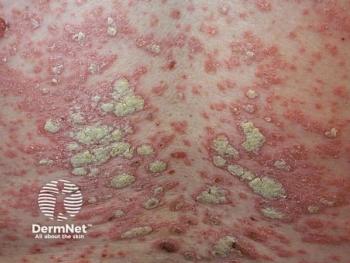
Christopher Bunick, MD, PhD, provides insights into new research exploring bimekizumab’s unique binding to IL-17F and IL-17A by analyzing crystals of bimekizumab fragment antigen-binding.

The planned PDUFA data was July 7, 2024.

Lawrence Eichenfield, MD, provides insights into the clinical implications of topical ruxolitinib cream for atopic dermatitis and treatment patterns.
Explore dermatology's history and the journey through our publication's 45 years of covering an ever evolving specialty.

July 8th has been established as World Skin Health Day, with celebrations planned and anticipated on a global scale.

The study, which represents the first human trial of hcMSCs for AD, found the treatment was associated with “significant” improvements in symptoms.

Matthew Zirwas, MD, hosted a Case-Based Roundtable discussion to review 2 challenging cases of atopic dermatitis involving intense itch and severe hand dermatitis.
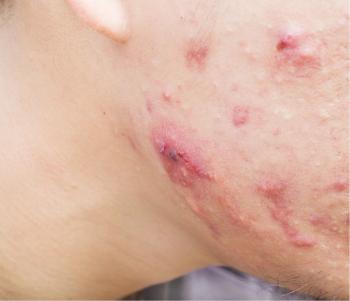
Some patients may be looking for alternatives to BPO, questioning its safety.