


Researchers said they hope this consensus guides prescribing decisions among clinicians and encourages development of a standard approach.
Researchers said they hope this consensus guides prescribing decisions among clinicians and encourages development of a standard approach.

Our August issue covers common back-to-school skin conditions, psoriasis research, OX40 inhibition for atopic dermatitis, and pediatric dermatology meeting highlights.

A group of international experts focused on the technology’s potential to standardize and enhance patient assessments.
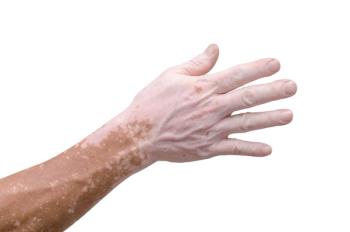
The findings highlight the need for diverse genetic studies to understand their broader impact on autoimmune diseases.
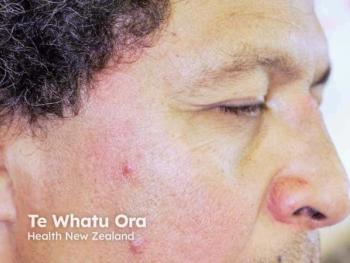
Recent research evaluated 6 patients with rosacea treated with JAK1 inhibitors upadacitinib and abrocitinib.

The 15-piece questionnaire is designed to be quick and easy to use during consultations, with particular benefits across numerous specialties.

Alumis' Martin Babler shared insights into the program for the TYK2 inhibitor and the company's next steps for its development.

A new method using 2 single-guide RNA/Cas9 tools to target 3 specific COL7A1 gene segments with harmful mutations successfully removed up to 95% of those segments.
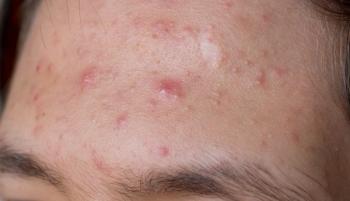
A recent study revealed that CO2 fractional laser was significantly more effective than microneedling for acne treatment with ALA-PDT.

Skin with vitiligo and psoriasis shows increased immune cell type, with a Mendelian analysis finding no causal link between the conditions.

Participants experienced improvements with both glove types, though cotton gloves were generally preferred for comfort and Sympatex for tactile sensitivity.

This week’s collection of the latest dermatologic studies includes oral dutasteride for frontal fibrosing alopecia, effects of air pollutants for patients with acne, bimekizumab in patients with PsA without methotrexate, and itepekimab for adults with moderate to severe AD.

A review of 43 studies found that systemic treatments generally provide greater reductions in rosacea ILs compared to topical therapies.

A recent study reviewed the current evidence on the impact of key vitamins and minerals on rosacea and provided clinical recommendations.

A growing body of research is dedicated to understanding how various climatic elements impact AD.
Keep up with the latest headlines in dermatology from the past week, including the FDA's warning to retailers to remove unapproved skin peel products, research into skin cells and their connection to Alzheimer's, and more.

In case you missed it, this week we had news about roflumilast cream 0.15%'s commercial availability for atopic dermatitis, Turn Therapeutics' new IGA and cytokine inhibition success with Hexagen, highlights from the 5CC World Congress, and more.
Explore the disease progression of atopic dermatitis and strategies to make a difference in patients' lives.

Jacob Scott, MD, president and chairman of DaRT, shares highlights of the guidelines and what he hopes clinicians can glean from them.

The investigator in the clinical development program for deuruxolitinib shared data, patient populations to consider, and more in a recent interview.

While FDA action is awaited, dermatology clinicians can suggest BPO-free alternatives such as retinoids, salicylic acid, and more.

Michele Ramien, MD, discusses biologic therapies for pediatric dermatology, focusing on their impact on vaccines, managing side effects, and tailoring treatment.
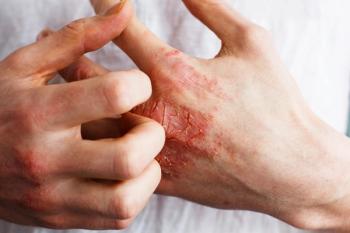
Researchers suggested that early intervention with less than 2 years of disease duration was associated with a lower risk of relapse.

The study focused on the use of Internet resources, number of medical consultations, and factors influencing treatment outcomes.

Naiem Issa, MD, PhD, shared highlights from his sessions on the 1726 nm laser for acne, atopic dermatitis disease modification, advances in hidradenitis suppurativa, and microneedling techniques for vitiligo.

Explore solutions for facial volume loss, skin laxity, and in some cases—skin excess.

Researchers stated the drug could avoid the need for additional immunosuppressive treatments associated with increased morbidity and mortality.
This article represents the first time the news has been shared with the public. Turn's Founder and CEO, Bradley Burnam, shares details.

Dermatology Times asked our readers to share what conferences they are looking forward to in the third quarter of 2024.

Learn more about the in-depth topics covered in the July 2024 print issue of Dermatology Times.