

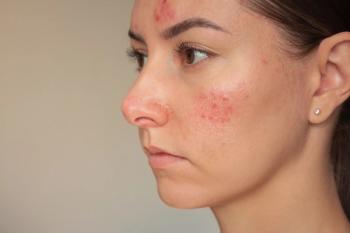
In Middle Eastern communities specifically, patients with higher disease severity and duration are predicted to have poorer psychological outcomes.
In Middle Eastern communities specifically, patients with higher disease severity and duration are predicted to have poorer psychological outcomes.

The study found that those who worked with wet hands and had chapped skin had a higher severity of chronic hand eczema.

2024 saw significant progress in vitiligo treatments, including novel drugs, off-label uses, and updated pediatric guidelines for better outcomes.

Discover 2024 skin cancer breakthroughs, including FDA approvals, innovative therapies, and updated clinical guidelines for melanoma and nonmelanoma care.

Although further trials are needed, this multidimensional, minimally invasive approach showed positive results in 4 patients.

Researchers found two-thirds of patients reported no impact of psoriasis on their quality of life after 52 weeks of treatment with deucravacitinib.

The effect of insurance status on US patients with psoriasis can help identify those at risk of being undertreated.

Fall Editor in Chief Raj Chovatiya, MD, PhD, MSCI, celebrates the joy of diverse traditions and reflects on the path to equity in dermatology as we move toward a brighter 2025.

Researchers noted higher correlations in those who are prone to severe acne and post acne erythema (PAE).
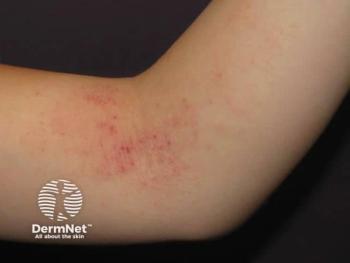
The review found AD can disrupt family life, as caregiving responsibilities can lead to stress, guilt, and reduced opportunities for shared activities.

Review some of the top highlights shared at physician assistant and nurse practitioner dermatology meetings in 2024.

A reflection on 2024's dermatology advancements, from FDA approvals to expert insights, setting the stage for another transformative year in 2025.

Graber spoke with Dermatology Times to share the top clinical pearls and key takeaways from the recent meetings.

With high clinician and participant satisfaction ratings, VYC-17.5 L was found to be safe and effective in reducing the appearance of marionette lines.

Catch up on exclusive interviews with Shanna Miranti, MPAS, PA-C; Renata Block, MMS, PA-C; Jane Mast, PhD, DMSc, MPAS; PA-C; Sara Wilchowski, DMSc, MPAS, PA-C; and Michael Rubio, PA-C, from the 2024 SDPA Fall Conference.

Despite the risks of sun exposure, a study found only a fraction of coaches receive adequate UV-related guidance from their associations or clubs.

In case you missed it, this week we had news about the FDA-approval of Yesintek for psoriasis treatment, APG777 clinical trial updates, our inaugural Horizons in Advanced Practice meeting, and more.

Certain dermoscopic features in cutaneous warts may be associated with a favorable cryotherapy response.

Researchers found patients reporting greater disease burden and lower HRQoL are more likely to switch to biologic therapies, regardless of clinician-rated disease severity.
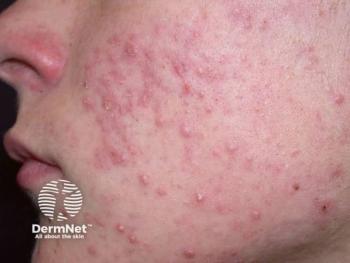
Researchers stated that therapy represents a “valuable nonpharmacological intervention that offers an innovative therapeutic alternative” for acne treatment.

A study using proteome-wide association techniques identified novel protein biomarkers for atopic dermatitis.

The algorithm demonstrated 81% accuracy, promising fast, reliable, and reproducible assessments for patients.
Dena Antowan shares her journey balancing pre-med life, managing HS, advocating on TikTok, and her vision for empathetic dermatologic care.
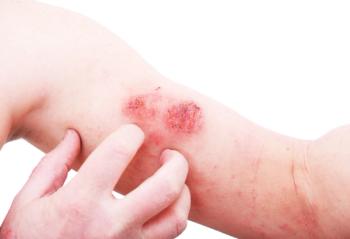
Although all observed treatments showed efficacy, the 30 mg dosage of upadacitinib was most successful in relieving itch for atopic dermatitis patients.
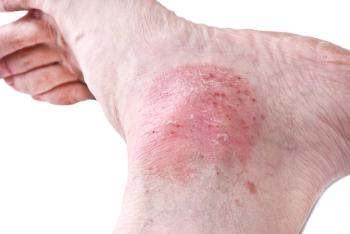
Investigating podiatry students' diagnostic accuracy and reasoning for dermatological lesions across skin tones using a mixed-method research approach.
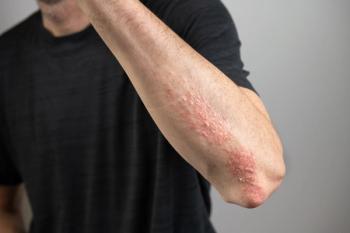
Diarrhea, nausea, and headache were the most frequently reported adverse events in psoriasis patients.

The exclusive event brought together physician assistants and nurse practitioners from across the country to review atopic dermatitis and psoriasis patient cases.

Researchers found patients treated with risankizumab had higher rates of skin clearance and greater improvement than those treated with deucravacitinib.

The FDA recently approved Yesintek for treating psoriasis, psoriatic arthritis, and IBD, with a 2025 launch expected.

Promising new data was released along with a timeline of upcoming studies evaluating potential combination therapies for atopic dermatitis.