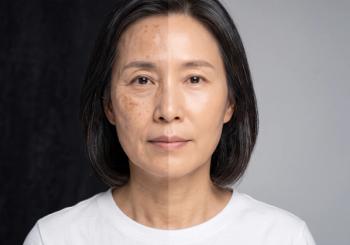
Dermatology’s growing focus on skin longevity demands clear definitions, validated outcomes, and rigorous evidence beyond anti-aging claims.
In this month's Cosmetic Conundrums, Dr. Draelos explains cleanser mildness, the chemical characteristics of mild cleansers and how these cleansers are tested.
What is cleanser mildness?
During cleansing, micelles are created with external hydrophilic groups surrounding an internal lipophilic pocket. These micelles can surround oily substances, such as sebum, dispersing the oil in water for removal and rinsing. Unfortunately, the micelles can also surround the oily intercellular lipids, damaging the skin barrier.
The bipolar structure of skin soils is similar to the fatty acids, cholesterol, and ceramides comprising the lipid bilayers of the stratum corneum.
Mildness is important because cleanser-induced barrier damage increases transepidermal water loss (TEWL) and facilitates removal of natural moisturizing factor, which acts as a sponge to hold water in the skin.
This dehydration leads to alterations in stratum corneum function leading to desquamatory failure with increased corneocyte retention. This is the mechanism by which cleansers induce the rough scaly skin.
What are the chemical characteristics of mild cleansers?
The component of soap that induces barrier damage is the high charge density of the carboxyl head group, which promotes strong protein binding. This chemistry provides excellent cleansing, but damages stratum corneum proteins, denatures enzymes, and alters corneocyte water holding capacity.
It is possible to predict the barrier damaging characteristics of a cleanser by examining the balance between shorter soluble chains (C12, C14) and longer, less soluble chain lengths (C16, C18) of the soap fatty acids. Soaps with a higher soluble short chain component are less skin damaging. Shorter soluble chains are found in plant-derived ingredients, such as C12 coconut fatty acids. The longer soluble chains are from animal-derived ingredients, such as C18 rendered animal fat. Thus, the shorter chains are preferred due to reduced barrier damage.
Interestingly, these short plant-derived chains also exhibit increased lathering ability, which is considered desirable by consumers when cleansing, even though lathering ability has no relation to good hygiene or cleanser mildness.
What is the test for cleanser mildness?
While mildness can be estimated by examining the chemistry of a cleanser,
The collagen swelling test employs a one square centimeter collagen sheet, which is incubated for 24 hours at 50 degrees C with a solution of the finished cleanser product at 1% of the dry extract at its own pH. The collagen is weighed before and after exposure to determine the amount of swelling. More swelling indicates potential increased cleanser irritation as the collagen is absorbing more water due to protein denaturation.
Another approach to assessing cleanser irritation is to examine pH increase. Alkalinization of the skin is always associated with irritation. This test incubates equal volumes of a 2% solution of bovine serum albumin at a pH of 5.6 with a 2% solution of the cleanser at room temperature. The pH of the solution is measured in one hour. Greater pH rises indicate the potential for increased product irritation.
Finally, the zein test can be used to predict cleanser irritation. This is probably the most popular of the in vitro cleanser irritancy evaluations. The zein test utilizes a protein that is insoluble in aqueous solution until denatured by irritating cleansers. The protein and cleanser are mixed to determine how much of the protein is solubulized. The more protein solubulized, the more irritating the cleanser may be when used on human skin. Of course, these predictive in vitro tests can be used to refine formulations and predict cleanser suitability, but are not a replacement for actual human-use testing.
Dr. Zoe Diana Draelos is a consulting professor of dermatology, Duke University School of Medicine, Durham, N.C.
almost 8 years ago
Medicare physician fee schedule changesalmost 8 years ago
Access to dermatologic care varies by demographicalmost 8 years ago
Digital tools impact daily dermatology practicealmost 8 years ago
AAD updates cutaneous melanoma guidelinesalmost 8 years ago
Artificial Intelligence. Friend or foe of dermatology?almost 8 years ago
Improving the reporting of social media recruitment for clinical trialsalmost 8 years ago
Warning signs of life-threatening purpuraalmost 8 years ago
Optimize clinical trial recruitment with digital platformsalmost 8 years ago
Digital health and dermatologyalmost 8 years ago
The future of dermatology