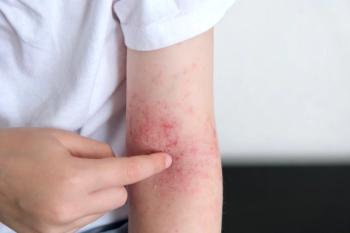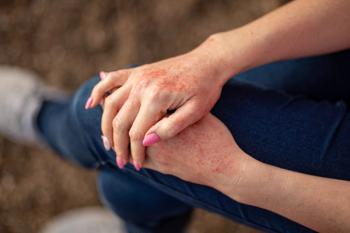
SYX-5219 improved disease severity and itch in a Phase 1b trial of adults with moderate to severe atopic dermatitis.
What exactly is digital health? Dr. Steve Xu tackles this question in this month's Innovation column.
What exactly is digital health? The scope and definition of digital health is broadening and now, it seems, digital health is essentially anything that isn’t a drug or traditional medical device.
It encompasses hardware (mobile phones, wearable sensors), software (AI, machine learning,
Over the past three years, digital health has seen tremendous growth with many firsts. The first
The pivotal trial of the system included more than 11,000 images from 5000 patients showing specificity and sensitivity that exceeded 90% 1. There are now FDA-approved mobile apps that treat opioid addiction (2017)2 and contraception3 (2018). ABILIFY MYCITE®, approved by the FDA in 2017 as a drug-device combination, represents the first digital medicine designed to track drug ingestion. In 2018, Otsuka, the makers of Abilify, and Proteus, the makers of the ingestible sensor, agreed to an expanded five-year digital pill partnership.4
Dermatology has been an active area for digital health and a key beachhead. AI has already been shown to demonstrate equal - and even slightly better - performance to board-certified dermatologists in diagnosing skin cancer.5
Apps for melanoma detection have a checkered past-Mole Detective, for instance, was marketed to be able to diagnosis melanoma and faced fines from the Federal Trade Commission for doing so. SkinVision, available only in Europe currently, has a CE-mark and boasts more than one million users with nearly 3.5 million images. The company is focused on skin cancer with an initial assessment done via software with a high-risk assessment leading to a review by a dermatologist. For challenging rashes and inflammatory skin diseases, VisualDx released a consumer app in 2018 called AYSA that uses machine learning to identify inflammatory skin conditions and make preliminary recommendations for self-help and treatment.6 These innovations represent important examples of how digital health is impacting dermatology.
While there is no shortage of articles that predict the demise of physicians, digital health is so much more than simply replacing doctors with an algorithm. The demand for dermatological services far exceed the supply of board-certified dermatologists - the practice of dermatology by non-dermatologists leads to significantly higher diagnostic error.7
Digital health has an opportunity to close that gap by improving patient triage to dermatologists. Even if AI and mobile applications can detect suspicious lesions or recommend biopsy, a dermatologist is still needed to discuss the procedure, perform the procedure, and handle the aftermath with regard to the need for further testing or treatment options.
Non-diagnostic mobile phone applications have the opportunity to drive greater patient engagement by offering more education beyond what little time we have with our patients and even deliver behavioral health interventions to address the significant psychiatric comorbidities associated with dermatological diseases. Wearable sensors and the data they produce can drive far deeper insights on the impact of skin disease on daily life and track changes in a naturalistic setting.
Through engagement with digital health, dermatologists can direct implementation that best improves patient care. Â
References
1. Varun Gulshan, PhD; Lily Peng, MD, PhD; Marc Coram, PhD; et al. “Development and Validation of a Deep Learning Algorithm for Detection of Diabetic Retinopathy in Retinal Fundus Photographs,” JAMA. 2016;316(22):2402-2410. doi:10.1001/ jama.2016.17216
2. FDA news release, “FDA clears mobile medical app to help those with opioid use disorder stay in recovery programs,” Dec. 10, 2018
3. FDA news release, “FDA allows marketing of first direct-toconsumer app for contraceptive use to prevent pregnancy,” August 10, 2018.
4. “Otsuka and Proteus sign 5-year, $88M digital pill partnership,” FierceBioteh, Oct 11, 2018.
5. Andre Esteva, Brett Kuprel, Roberto A. Novoa, et al. “Dermatologist- level classification of skin cancer with deep neural networks,” Nature. Feb 2017.
6. “VisualDx launches Aysa, a consumer-facing dermatology app,” MobiHealth News
7. Federman DG1, Concato J, Kirsner RS. “Comparison of dermatologic diagnoses by primary care practitioners and dermatologists. A review of the literature,” Arch Fam Med. 1999 Mar-Apr;8(2):170-2.
almost 8 years ago
Medicare physician fee schedule changesalmost 8 years ago
Access to dermatologic care varies by demographicalmost 8 years ago
Digital tools impact daily dermatology practicealmost 8 years ago
AAD updates cutaneous melanoma guidelinesalmost 8 years ago
Artificial Intelligence. Friend or foe of dermatology?almost 8 years ago
Improving the reporting of social media recruitment for clinical trialsalmost 8 years ago
Warning signs of life-threatening purpuraalmost 8 years ago
Optimize clinical trial recruitment with digital platformsalmost 8 years ago
The future of dermatologyalmost 8 years ago
FDA says start with pediatric patients in atopic dermatitis trials