

Gallo presented pearls on the pathophysiology of acne and how newer studies have changed acne treatment methodologies at AAD 2024.
Gallo presented pearls on the pathophysiology of acne and how newer studies have changed acne treatment methodologies at AAD 2024.
Shawn Kwatra, MD, presented late-breaking data at AAD 2024 on the largest prurigo nodularis and nemolizumab clinical trial, OLYMPIA.
Melinda Gooderham, MSc, MD, FRCPC, provided insights into the significance of the DELTA 3 extension data presented at AAD 2024.

Joseph Zabinski, PhD, MEM, of OM1, shares insights at AAD into how artificial intelligence can mature and be a positive tool for disease detection.
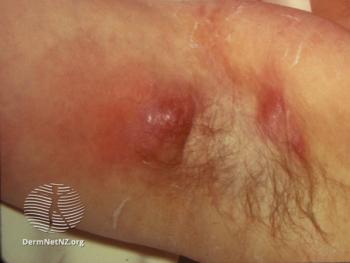
Maria Aleshin, MD, FAAD, presented surgical procedures for HS that can be performed in the office.

The congenital ichthyosis session the 2024 AAD Annual Meeting covered real-world patient cases and treatments on the horizon.

Catch up on coverage from the second day of the 2024 American Academy of Dermatology Annual Meeting.

Alexandra Kimball, MD, FAAD, reviews late-breaking data at AAD on lutikizumab for hidradenitis suppurativa.
Iltefat Hamzavi, MD, reviews late-breaking data at AAD on upadacitinib as monotherapy.
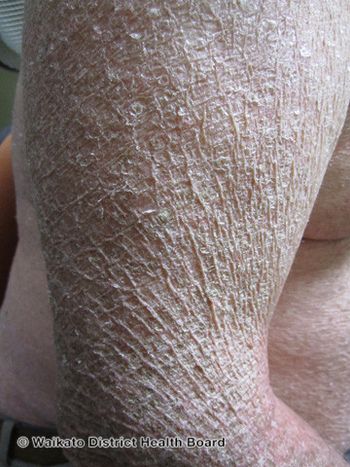
Christopher Bunick, MD, PhD, provides tips for the general dermatologist to treat ichthyosis and shares data on TMB-001 in development for ichthyosis.

Catch up on coverage from the first day of the 2024 American Academy of Dermatology Annual Meeting.

Neal Bhatia, MD, shares his insights on successfully navigating AAD and his session highlights on office politics.

New data was presented at the American Academy of Dermatology Annual Meeting in San Diego, California.

Read more on what you can expect at this year’s AAD meeting and how to navigate all the opportunities.
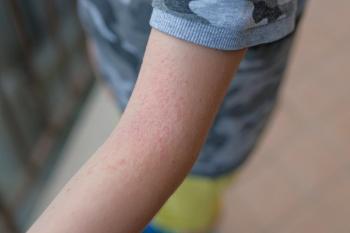
Alphyn’s first-in-class therapeutic is designed to treat the immune system component, and more specifically the bacterial component, of AD.

High levels of the chemical benzene, which has been linked to cancer, were detected in numerous consumer acne products, including from major brands such as Proactiv, Clinique, and more.

This week’s collection of the latest dermatologic studies covers the connection between dermatology and COVID-19, the efficacy of topical 5-fluorouracil and imiquimod in treating cutaneous squamous cell carcinoma in situ, challenges in treating chronic spontaneous urticaria, and patient satisfaction of treating recalcitrant keloids with intralesional bleomycin and lidocaine.

ICYMI, this week we had news about late-breaking phase 2 data on rilzabrutinib for CSU, data from the BRAVE-AA1 and BRAVE-AA2 trials for alopecia areata, Rare Disease Day insights, and more.

Learn more about the in-depth topics covered in the February 2024 print issue of Dermatology Times.

As a pharmacy benefit manager, Livinti will help reduce biologic drug costs for self-funded employees.
This Rare Disease Day, Joseph Zabinski, PhD, MEM, of OM1, discusses the role of artificial intelligence in helping to detect rare dermatologic diseases.
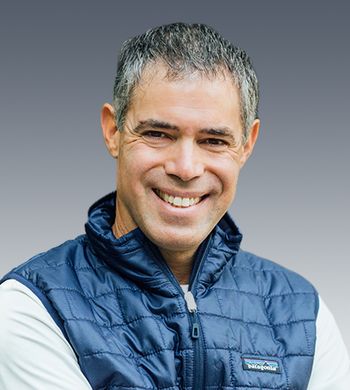
This Rare Disease Day, Stefan Weiss, MD, MBA, FAAD, of OM1, shares his expertise in AI’s capabilities in dermatology.

Review Dermatology Times’ February content uplifting Black voices.

Researchers from the University of Michigan and Almirall found that the profibrotic fibroblast response in HS can be modulated through inhibition of the Hippo pathway.

Late-breaking phase 2 data was presented at the 2024 American Academy of Allergy, Asthma and Immunology Annual Meeting.
ICYMI, this week we had news about Masterclasses in Dermatology insights, Alaskapox and skin lesions, improving skin of color representation in dermatology, and more.
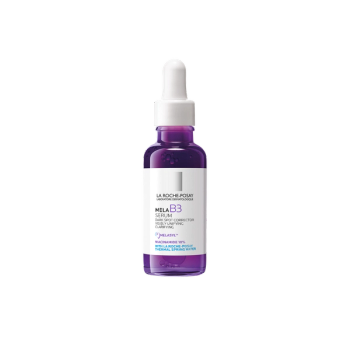
Data on pigmentary disorders worldwide and clinical study results were presented at the IMCAS World Congress 2024 meeting.
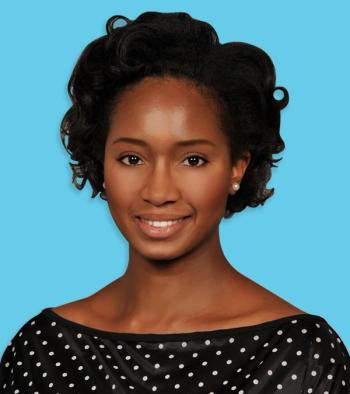
Miranda Uzoma Ewelukwa, MD, FAAD, reviews how skin of color representation has evolved in dermatology, however, more advocacy is still needed.

Shawn Kwatra, MD, shares insights into neuropathic pruritus’ debilitating effects on patients and how clinicians can use unified nomenclature.
This week’s collection of the latest dermatologic studies covers hair matrix cells, comorbidity associations of hidradenitis suppurativa, risk factors of infantile hemangioma, and giant cell collagenomas in a patient with Cowden syndrome.