


By week 24 of the phase 3 study, a quarter of participants felt their vitiligo had improved.
By week 24 of the phase 3 study, a quarter of participants felt their vitiligo had improved.
Results from the phase 3 study were presented at an AAD late-breaking research session.

The treatment was deemed effective following a phase 3 study.

Patients with squamous cell carcinoma who experience immunosuppression are at a greater risk.

Transgender and cisgender patients presenting with acne face differences in acne treatment and prescribing patterns.

The SUPERB applicator is cleared to address several aesthetic and cosmetic concerns, including lines, wrinkles, and more.

Among the more than 300 sessions to be held at this week's American Academy of Dermatology meeting in New Orleans, Louisiana, several Dermatology Times® Editorial Advisory Board members are preparing to share their knowledge and insights.

This weekend's American Academy of Dermatology (AAD) meeting in New Orleans has key opinion leaders excited.

When combined with a low dosage of prednisone, methotrexate provided nearly complete or complete hair regrowth in up to 31.2% of patients with alopecia areata.

Researchers reviewed nearly 7 years' worth of patch testing data to analyze trends in hand eczema in Latin America.

Danish researchers collected nearly 20 years of data to determine an association.

A recent phase 2 study revealed that the gel could act positively in microcystic lymphatic malformations, which currently have no FDA-approved treatments available.

The technology is the first non-invasive microwave treatment for cellulite to produce results on all skin types.

Following a meta-data analysis, researchers say the prevalence of these psychological conditions in patients with alopecia areata is greater than that of the standard population.

Many dermatologic conditions have demonstrated proven impacts on patients and their quality of life.

The picosecond system has previously been approved for treating acne scarring, pigmented lesions, tattoo removal, and wrinkles.

In this episode, Mona Shahriari, MD, discusses what dermatologists and patients with atopic dermatitis can expect as we transition from winter to spring, as well as new and emerging treatments and technologies for managing atopic dermatitis that she’s looking ahead to as the year progresses.

Researchers say disease severity, site, and comorbidities may lower a patient’s quality of life as they navigate hidradenitis suppurativa.

This International Women's Day, the Dermatology Times® team is taking the time to spotlight women in the dermatology field.

Researchers conducted a pooled data analysis using previous study data to determine the cream’s efficacy in patients ages 12 and up.
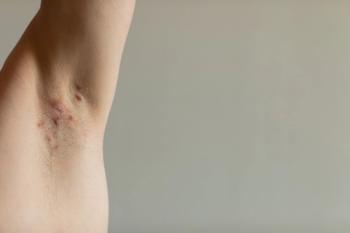
Following a systematic review and observational study meta-analysis, researchers have uncovered an association between hidradenitis suppurativa and several atopic diseases.

Following 2 phase 3 trials, the European Medicines Agency Committee for Medicinal Products for Human Use gives positive opinion on the use of ruxolitinib cream as a treatment for facial-involved non-segmental vitiligo.

Convatec’s InnovaBurn device manages surgical wounds and burns, including second-degree burns.

Following a 72-week safety and efficacy trial, researchers have determined that 1% glycopyrronium bromide cream can reduce symptoms of hyperhidrosis.

Researchers have linked the neurodegenerative disorder to several autoimmune diseases, including the rare skin condition bullous pemphigoid.

Researchers from Crown Laboratories say new treatment has shown improvements in skin concerns such as texture, wrinkles and sun damage.

Researchers link proximity to heavy traffic and risk of atopic dermatitis in new study.