

Opinion|Videos|November 5, 2025
The Era of Oral Systemics Signals a New Therapeutic Paradigm
Author(s)Aaron S. Farberg, MD
Advertisement
Episodes in this series



A panelist discusses how payers and policy makers will weigh novel oral therapies against established injectable biologics as the treatment landscape evolves. They note that although biologics have set a high benchmark for efficacy and safety, oral agents may offer distinct advantages in accessibility, affordability, and convenience. As stakeholders assess long-term data and cost-effectiveness, the integration of oral options could reshape reimbursement structures and influence formulary positioning.
A panelist discusses how the convenience of oral dosing may redefine what qualifies as first-line systemic therapy in dermatology. By removing logistical barriers associated with injections, oral agents could enhance patient adherence and broaden access to advanced care earlier in the treatment course. However, the panelist also highlights that prescriber confidence will depend heavily on real-world evidence and postmarketing safety outcomes, especially as clinicians seek reliable indicators of sustained efficacy and tolerability.
A panelist discusses how the adoption of oral therapies will hinge on overcoming challenges in monitoring, safety management, and patient education. They emphasize the need for health systems to strengthen adherence programs and digital monitoring tools that can support consistent follow-up. Looking forward, the expert predicts that these emerging therapies will gradually shape guideline development and future standards of care, creating a more personalized, patient-centered framework for systemic treatment selection in dermatology.
Advertisement
Related to this article

Castor oil has become a popular social media remedy for thicker, longer hair, but evidence supporting its ability to stimulate hair growth remains limited.
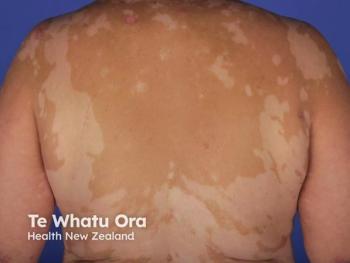
The FDA clearance allows Edesa to expand an ongoing placebo-controlled study of the CXCL10 antibody EB06 to US sites, with topline data expected in the fourth quarter of 2027.

The novel oral helicase-primase inhibitor demonstrated significantly higher rates of complete lesion healing compared with investigator’s choice treatment in the phase 3 PRIOH-1 trial.
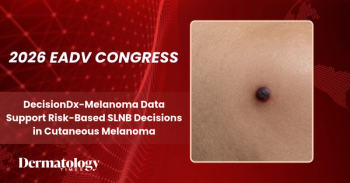
Prospective data suggest DecisionDx-Melanoma may help refine SLNB decisions and identify recurrence risk beyond conventional staging.

Falk G. Bechara, MD, discusses long-term tunnel control, structural damage, and the evolving role of biologics and surgery in HS care.
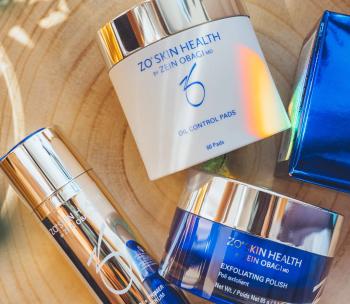
Galderma has agreed to acquire ZO Skin Health for $1.5 billion, adding the physician-dispensed skincare brand to a portfolio that already includes Cetaphil and Alastin.

New dermatology research explores hidden steroids in OTC products, infant eczema, melanoma prevention, cutaneous lymphoma, and pediatric AD.

SYX-5219 improved disease severity and itch in a Phase 1b trial of adults with moderate to severe atopic dermatitis.
Advertisement
Advertisement
Trending on Dermatology Times
1
Social Media Mythbusters: Can Castor Oil Really Grow Hair?
2
EADV 2026 Atopic Dermatitis Highlights: Tilrekimig, RAC2 Inhibition, and Level Up Data
3
FDA Approves Pritelivir for Refractory Mucocutaneous HSV in Immunocompromised Adults
4
GLP-1 Agonists Address Metabolic Risk in Psoriatic Disease
5