Though convenient, SPF-infused cosmetics rarely deliver their labeled protection level in real-world use, underscoring the continued need for a dedicated broad-spectrum sunscreen as the foundation of any routine.
GLP-1 medications are reshaping dermatology, driving increased patient demand for treatments addressing facial volume loss and jowling concerns, according to Joely Kaufman, MD.
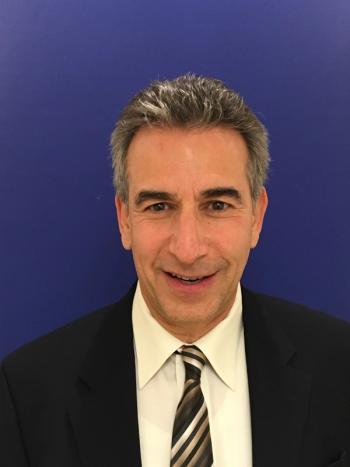
In this interview with Dermatology Times, Miami-based dermatologist Joely Kaufman, MD, discussed a recent Allergan Aesthetics survey exploring how the rise of GLP-1 medications is shaping aesthetic dermatology.1 She noted that the timing of the survey aligned with heightened interest in GLP-1–related aesthetic concerns at the recent American Society for Dermatologic Surgery meeting she attended last week in Chicago, Illinois. Across specialties such as dermatology, plastic surgery, and advanced practice providers, 400 clinicians unanimously reported a significant increase in patients using GLP-1 drugs who are seeking cosmetic care. Many of these patients are presenting either with specific concerns about facial changes associated with rapid weight loss or are proactively requesting procedures.
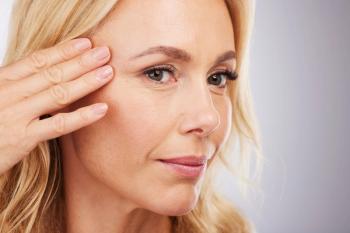
Kaufman, the director of Skin Associates of South Florida and the Skin Research Institute, highlighted several key findings she found particularly noteworthy. First, providers observed that GLP-1 patients frequently require multimodal aesthetic treatment. More than half of the surveyed clinicians reported using combinations of skin care, energy-based devices, and injectables rather than single interventions. The most commonly cited aesthetic concern is mid-face aging, especially volume loss, followed closely by jowling. These changes align with the types of volume-related issues dermatologists and plastic surgeons are already accustomed to treating.
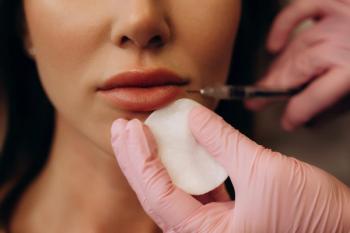
The survey also revealed strong consensus around first-line therapies. Eighty-one percent of respondents reported using hyaluronic acid (HA) fillers for GLP-1–related aging concerns, while 69% named botulinum toxins as their next preferred treatment. Kaufman emphasized that, despite the novelty of GLP-1–related presentations, clinicians are largely relying on familiar and well-established rejuvenation tools, simply applied in the context of new patient needs.
“While this seems so different...we still are using a lot of the staples that are already in our library of rejuvenation to treat these patients,” she said.
Addressing the sharp increase in GLP-1 patients—from an average of 95 per provider in 2023 to 225 in 2024—Kaufman anticipates continued rapid growth. She noted that GLP-1 drugs are becoming more common not only for weight loss but also for general health benefits and emerging anti-inflammatory effects, with potential implications for dermatologic conditions such as psoriasis and hidradenitis suppurativa. As use expands, she stressed the importance of clinicians understanding the unique concerns of GLP-1 patients and adapting treatment strategies accordingly. Ultimately, she believes this trend will meaningfully influence the aesthetic dermatology landscape, reinforcing the need for nuanced, patient-centered approaches to facial rejuvenation in this growing population.
“We’re going to need to understand how to treat these patients when they come in, understand their concerns, and talk to them about the approaches to addressing some of these concerns,” Kaufman concluded.
Reference
1. Kaufman J, Dayan S, Boyd C, et al. Survey of Facial Aesthetic Concerns and Treatment Trends Following GLP-1 Agonist-Associated Weight Loss. Abstract. Presented at: American Society for Dermatologic Surgery Annual Meeting. November 13-16, 2025. Chicago, Illinois.